試す 金 - 無料
SOUR GOODNESS
Down To Earth
|June 01, 2025
Leaves of madhu soleng, an easy-to-grow weed, are a great souring agent
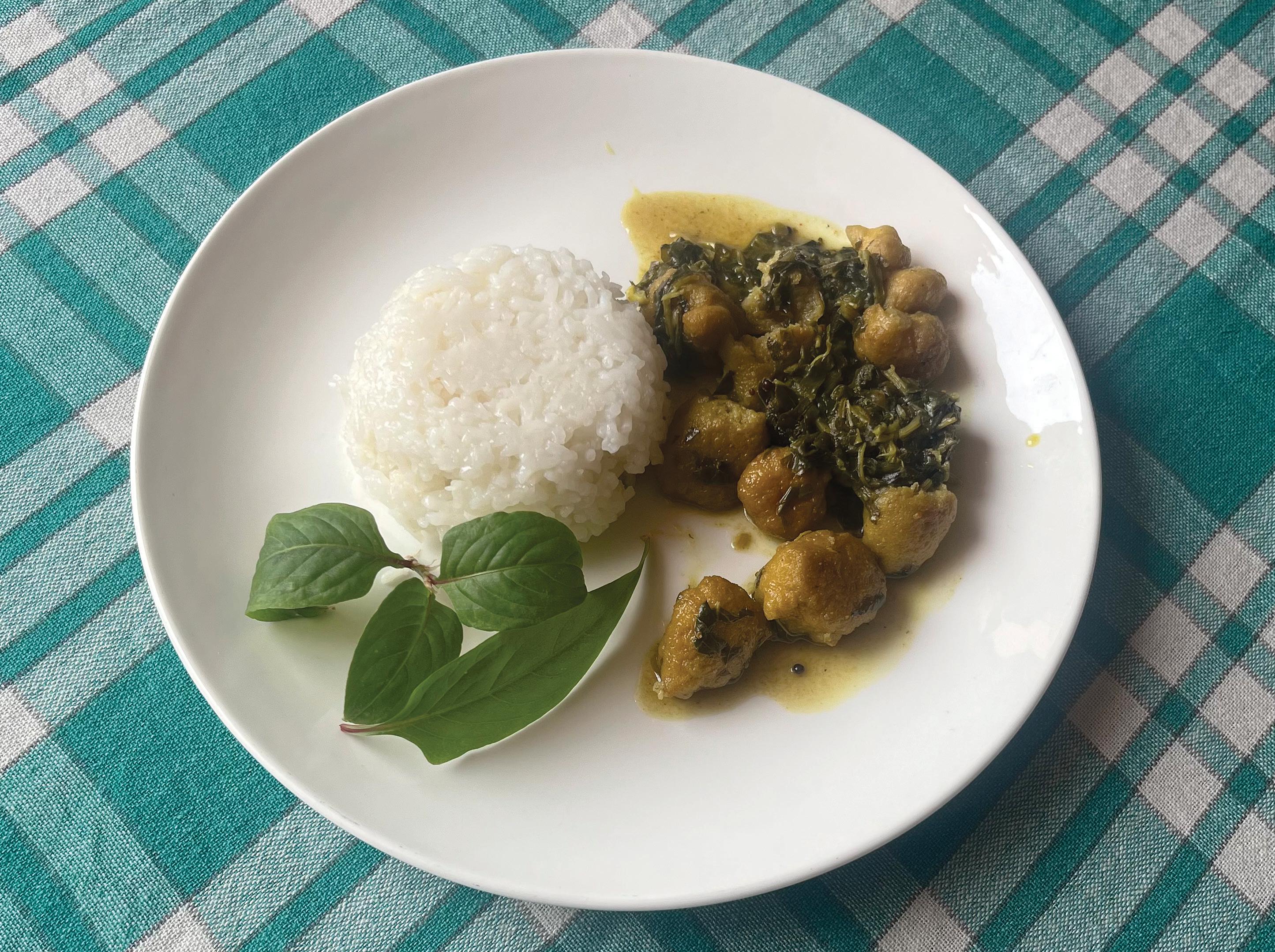
IT MIGHT be a weed, but it is quite tasty. The leaves of madhu soleng, as the Chinese knotweed is known in Assamese, taste sour. Raw leaves are generally used to prepare salads, but creative cooks can put them in dal, curries, chutney and even pickle them.
The leaves can be stored for four to five days. The plant also bears berries that taste sour. Its flowers and seeds are edible, too, but are merely available for a few days in the monsoon season. “I would recommend it as a souring agent because it is an anti-inflammatory herb and great for gut health,” says Sangeeta Khanna, a Delhi-based food and nutrition expert, who usually adds madhu soleng leaves to dal instead of tomatoes or raw mangoes. She also uses them to prepare fish tenga, a traditional Assamese dish.
Madhu soleng (Persicaria chinensis, which loosely translates to “the plant from China which has leaves like that of peach”) is generally considered invasive. In tea plantations, it has been reported to cover tea bushes and block drainage systems. It has been spotted even in protected areas such as the Kaas plateau reserve forest in Maharashtra, which is famous for the flower neelakurinji (Strobilanthes kunthiana) that blooms once in 12 years.

このストーリーは、Down To Earth の June 01, 2025 版からのものです。
Magzter GOLD を購読すると、厳選された何千ものプレミアム記事や、10,000 以上の雑誌や新聞にアクセスできます。
すでに購読者ですか? サインイン
Down To Earth からのその他のストーリー

Down To Earth
THINK TWICE BEFORE FELLING SAL TREES
Many trees considered to be affected by sal borer in the 1990s are still alive today

1 mins
February 16, 2026

Down To Earth
EDGE OF SURVIVAL
Caste divides deny marginalised communities land, resources and essential aid, leaving them more vulnerable to climate disasters
6 mins
February 16, 2026

Down To Earth
A WISH LIST?
Union Budget for 2026-27 conveys the impression of a roll-call of intentions and ambitious proposals, with little detail on their formulation
6 mins
February 16, 2026
Down To Earth
Break down the gender wall
THE RULING National Democratic Alliance (NDA) government has been heavily invested in the goal to make India a developed economy by 2047.
2 mins
February 16, 2026

Down To Earth
MENSTRUAL HEALTH, NOW A FUNDAMENTAL RIGHT
In a landmark judgement, the Supreme Court has recognised menstrual health and hygiene as a fundamental right under Article 21 of the Constitution of India, which guarantees the right to life and dignity.
8 mins
February 16, 2026

Down To Earth
Of devolution and new disasters
The 16th Finance Commission pushes for changes in view of new fiscal and climatic conditions
11 mins
February 16, 2026
Down To Earth
Rising risks of plastics
NEGATIVE IMPACTS on human health due to emissions linked to the plastic lifecycle could double by 2040, according to a study published in The Lancet Planetary Health in January.
1 min
February 16, 2026

Down To Earth
GAP BETWEEN EPIDEMICS NARROWING
A watershed-based and landscape-level approach is needed to address forest degradation
2 mins
February 16, 2026
Down To Earth
WAITING TO STRIKE
Sal heartwood borer is considered the biggest threat to forestry in India, especially to the sal tree, where it lives and breeds.
11 mins
February 16, 2026
Down To Earth
A SPRING DELIGHT
Mustard flowers are not meant only for the eyes. Invite them to your plate once in a while
3 mins
February 16, 2026
Listen
Translate
Change font size