試す 金 - 無料
A step back
Down To Earth
|March 01, 2026
Recent amendments to Uttarakhand's Van Panchayat rules push the state into a risk zone. The state must usher in forest reforms to rescue community forest governance
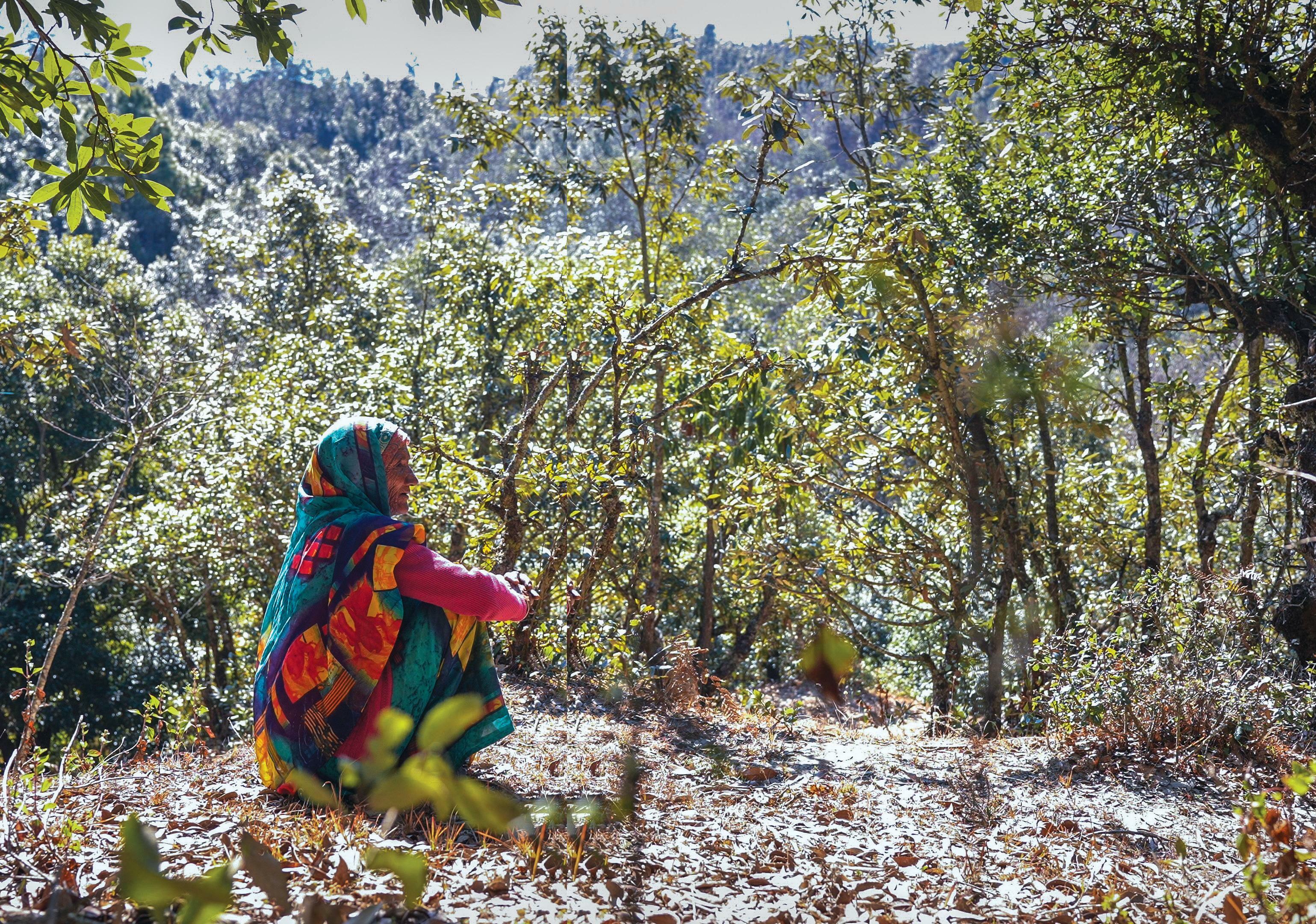
AS REPOSITORIES of forests, water sources, biodiversity and carbon sinks, mountain states underpin India's ecological security while supporting millions downstream. Strengthening local environmental governance, community stewardship and green livelihoods in these regions is therefore essential, not just for conservation but for economic resilience of the country.
The importance of this balancing act is evident in Uttarakhand, which has 45.5 per cent—24,305 sq km—under forest cover, according to the India State of Forest Report 2021. A 2018 government-sponsored study by the Indian Institute of Forest Management pegs the value of ecosystem services offered by its forested landscape at ₹95,000 crore a year. But this opportunity is now at a growing risk from forest fires, natural disasters and human-wildlife conflicts. This article argues that recent amendments to the Panchayati Van Niyamawali (PVN), 2005, have pushed the state into such a risk zone.
Van panchayats are legally recognised democratic, community-based institutions that manage (protect, conserve and equitably distribute forest resources such as fodder and firewood) local forests. They are unique to Uttarakhand since 1931, and the backbone of participatory forest management. Some 11,217 van panchayats manage 4,526.44 sq km of community forest contiguous with reserve forests, protected areas and revenue forests, supporting over 1 million rural families, according to the Census 2011. Yet instead of being strengthened, van panchayats today face an unprecedented policy regression—one that jeopardises local governance, ecological resilience and emerging green-economy opportunities.


このストーリーは、Down To Earth の March 01, 2026 版からのものです。
Magzter GOLD を購読すると、厳選された何千ものプレミアム記事や、10,000 以上の雑誌や新聞にアクセスできます。
すでに購読者ですか? サインイン
Down To Earth からのその他のストーリー

Down To Earth
THE GREAT PIVOT
China's moves to transition to clean energy offer critical lessons to India

4 mins
March 01, 2026

Down To Earth
COAL V CORRIDOR
A proposal to mine coal along a corridor that links two tiger reserves in central India is a step away from getting final clearance. The move could affect movement and genetic diversity of tiger populations in the region
8 mins
March 01, 2026

Down To Earth
India's challenging AI predicament
Hobbled by lack of innovation and AI skills in its crucial technology sector, India is focusing on a ruinous plan to host data centres
4 mins
March 01, 2026
Down To Earth
China to implement zero tariffs across Africa
CHINA ON February 14 announced that it will implement zero tariffs for imports from all the 53 African nations it has diplomatic relations with, starting from May 1.
1 min
March 01, 2026
Down To Earth
Poverty, sans the threshold
MEASUREMENT OF poverty is a fundamental exercise, needed to direct development programmes.
2 mins
March 01, 2026
Down To Earth
A bridge across forever
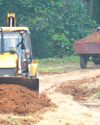
For two decades, a Chhattisgarh village remains stuck in a loop of building temporary river crossings to access markets and sell forest produce
4 mins
March 01, 2026
Down To Earth
Liveable cities need a new model
CRY FOR my Delhi. This is my city—my family records many generations who have lived here.
3 mins
March 01, 2026
Down To Earth
Real impacts of the changing seasons
This refers to the article \"1,500 days, and an alarm for new climate\" (1-15 December, 2025).
1 mins
March 01, 2026

Down To Earth
‘It’s a systematic effort by US to dismantle climate policy’
The US, the world's largest historical emitter of greenhouse gases, has overturned its “endangerment finding”, the legal foundation for regulating emissions under the Clean Air Act since 2009.
4 mins
March 01, 2026
Down To Earth
Amazon turned carbon source in 2023 drought
EXTREME DROUGHT and a prolonged heatwave in 2023 pushed parts of the Amazon rainforest from acting as a carbon sink to becoming a carbon source for three months, according to a February 13 study published in the journal AGU Advances of the American Geophysical Union.
1 min
March 01, 2026
Listen
Translate
Change font size