
Magzter GOLDで無制限に
10,000以上の雑誌、新聞、プレミアム記事に無制限にアクセスできます。
試す 金 - 無料
TB is surging. Should we be worried?
BBC Science Focus
|December 2025
Cases of the world's deadliest infection are climbing in the UK and US. Why is tuberculosis returning and how do we fight back?
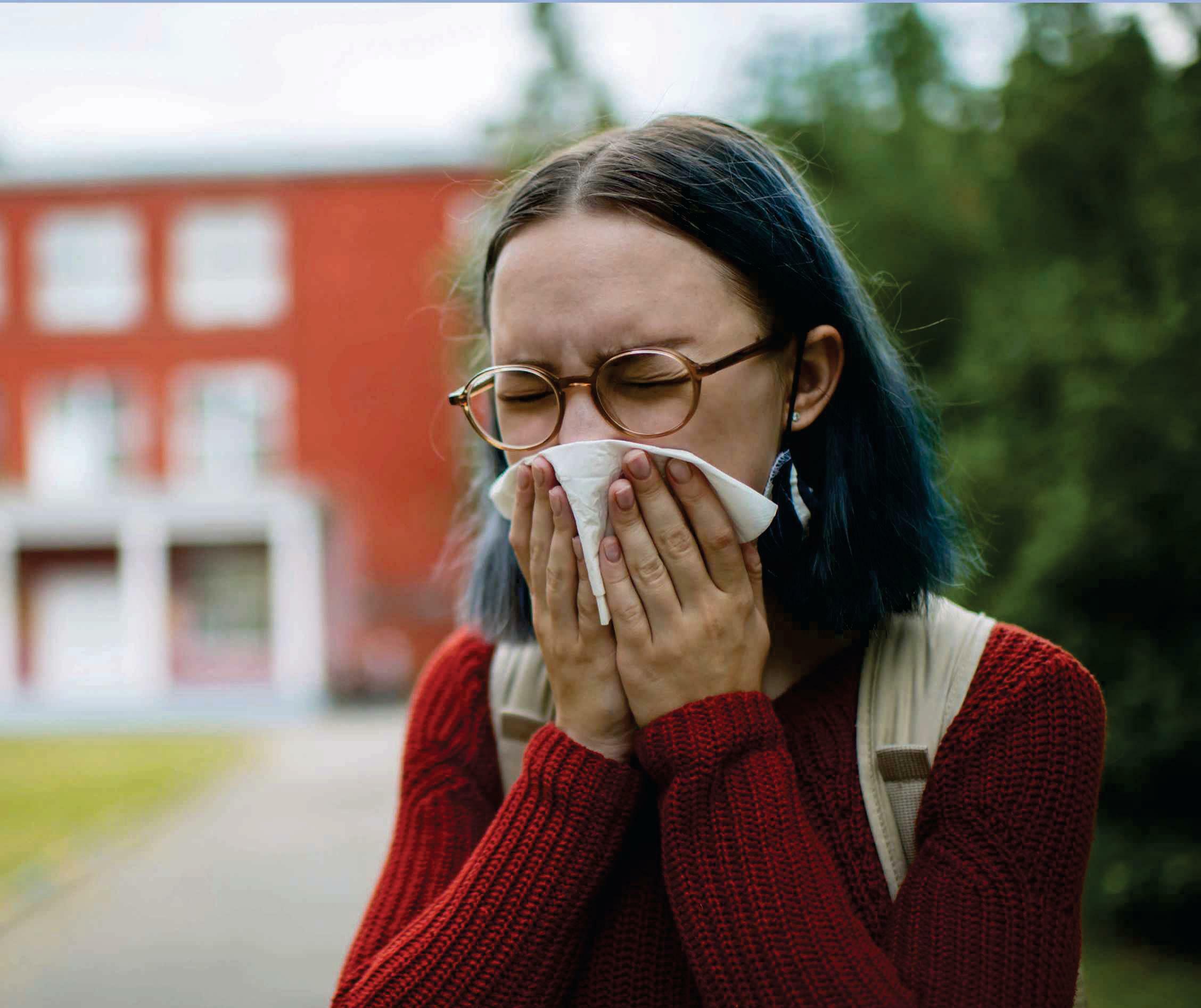
Tuberculosis (TB) is an airborne infection that many people think of as a disease of the past. But after decades of steady decline in high-income countries such as the UK and the US, the number of people diagnosed with TB is climbing.
In England, the UK Health Security Agency reported that TB diagnoses increased by 13 per cent in 2024 compared with the previous year, to 5,480 people. This number is still small relative to other high-burden countries, and England remains, just, under the World Health Organization (WHO) threshold for ‘low incidence’ status — 10 cases per every 100,000 population.
But these figures, and similar trends in the US, are a clear sign that previous progress has stalled and we're no longer on the right trajectory for ending TB.
WAKE-UP CALL
So is TB really making a comeback? The short answer is that the disease never really went away.
In fact, TB is the world’s deadliest infectious disease, killing about 1.23 million people in 2024 alone. That’s more than HIV and malaria combined, and puts TB among the top 10 causes of death worldwide.
WHO reports that more than 10 million people continue to fall ill with TB annually and, shockingly, roughly a quarter of them are never diagnosed or treated. The COVID-19 pandemic disrupted years of hard-won global progress in TB prevention and care, but that doesn’t tell the whole story.
TB is caused by the bacterium Mycobacterium tuberculosis. It spreads through the air when a person with infectious TB in their lungs coughs, sneezes, sings or even talks.
Classic symptoms of TB are a cough that lasts more than three weeks, fever, night sweats, weight loss and fatigue. Most people with TB have it in the lungs, but it can affect any organ in the body.

このストーリーは、BBC Science Focus の December 2025 版からのものです。
Magzter GOLD を購読すると、厳選された何千ものプレミアム記事や、10,000 以上の雑誌や新聞にアクセスできます。
すでに購読者ですか? サインイン
BBC Science Focus からのその他のストーリー
BBC Science Focus
HOW FISH COULD SAVE MILLIONS OF PEOPLE'S SIGHT
There's nowhere near enough donors to meet the demand for corneal transplants. A pioneering treatment that relies on fish scales could change that

3 mins
May 2026

BBC Science Focus
Your Wi-Fi is lying to you
Wi-Fi 7's giant speed claims might look impressive, but the realities of our homes – and the laws of physics – mean that real-world performance will never get close
6 mins
May 2026
BBC Science Focus
WHICH ANIMAL IS MOST LIKELY TO ESCAPE FROM THE ZOO?
Have you heard the one about the monkey and the Yorkshire pudding?
2 mins
May 2026
BBC Science Focus
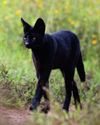
THE BLACK SERVAL
The black serval (Leptailurus serval) is an unusual, melanistic version of the African serval, a medium-sized wild cat that's native to Africa.
2 mins
May 2026
BBC Science Focus
Cryosleep vs hibernation: What's the difference?
When hibernating animals, such as hedgehogs and dormice, disappear for winter, they don't freeze like the Siberian salamander.
1 mins
May 2026
BBC Science Focus
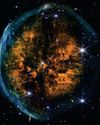
Space brain
The greatest names in science are often said to be 'big-brained', but this cosmic wonder puts them all to shame. Nebula PMR 1 - otherwise known as the 'Exposed Cranium' nebula for its distinctive shape - measures around 3.2 light-years across.
1 min
May 2026
BBC Science Focus
Your most draining relationships are taking years off your life, study suggests
Difficult people don't just zap your energy - they may also accelerate your biological ageing
4 mins
May 2026

BBC Science Focus
DOES EARTH HAVE A HEARTBEAT?
Move over, Ringo Starr.
1 mins
May 2026
BBC Science Focus
WEIGHT-LOSS DRUGS FOR ALL?
The obesity crisis is ruining lives and costing governments trillions. But some healthcare experts think there's now a radical solution: roll out GLP-1 jabs to everyone who needs them for free. Could it work?
9 mins
May 2026
BBC Science Focus
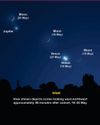
HOW TO SEE VENUS ON APPROACH TO JUPITER
Venus has been slowly moving away from the Sun's glare over the past few weeks, heading into the evening twilight after sunset.
1 mins
May 2026
Listen
Translate
Change font size