試す 金 - 無料
NOW YOU SEE ME, NOW YOU DON'T
BBC Science Focus
|January 2025
Scientists around the world are working on ways to hide us from sight. But how close are we to developing tech that could make us invisible?
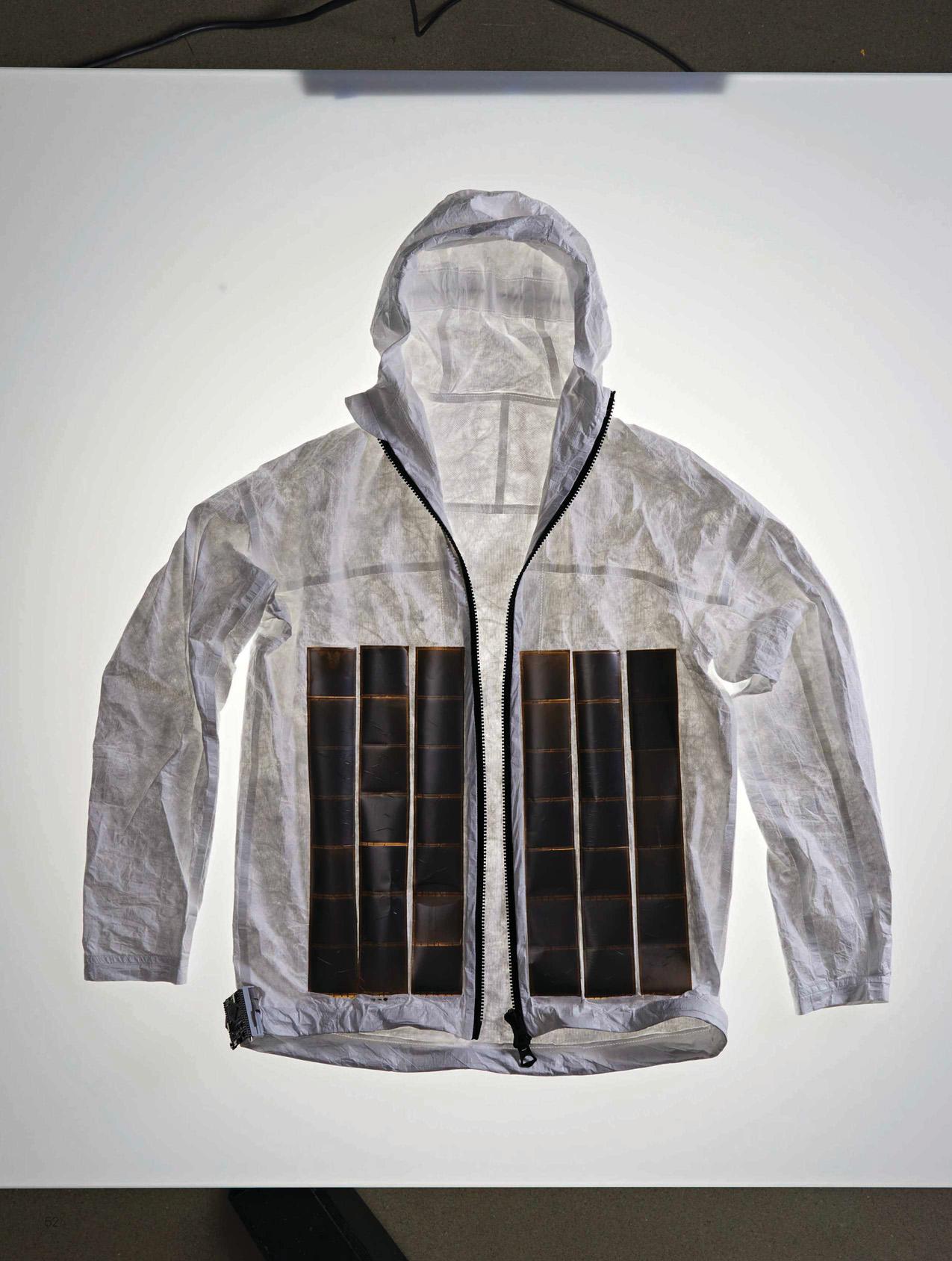
The urge to become invisible goes back a long way. Hunters and soldiers have been finding ways to camouflage themselves for centuries, but scientists are edging closer to truly making things invisible. Modern stealth tech can not only shield planes from radar, but can also conceal heat signatures from infrared cameras and stop sound waves from being heard. So how close are we to developing invisibility technology?
 HIDING IN PLAIN SIGHT
We see objects because when light interacts with them the light is absorbed and reflected. Transparent objects, such as windows, allow light to pass through them almost undisturbed. For an invisibility cloak to hide an opaque object, it would need to redirect the light around it instead.
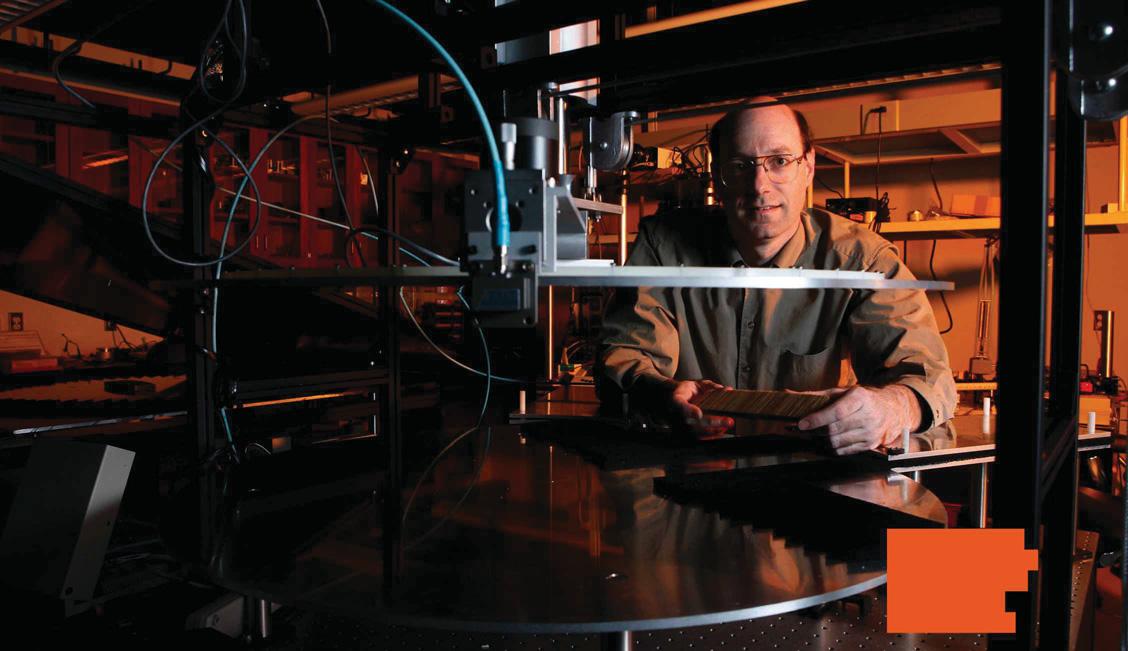
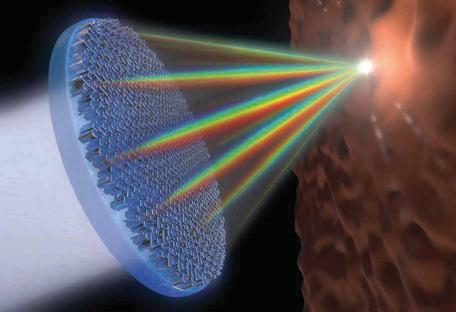
One of the earliest proof-of-concept cloaking devices was developed in 2006 by engineers at Duke University. This experimental device was made up of a copper cylinder that was 'hidden' by deflecting microwaves around it, making it appear almost as if it wasn't there to a microwave detector. It was made from a metamaterial - a structure made up of a periodic array of features (an arrangement that repeats at regular intervals in three dimensions think of a lattice) that give it unusual properties.

このストーリーは、BBC Science Focus の January 2025 版からのものです。
Magzter GOLD を購読すると、厳選された何千ものプレミアム記事や、10,000 以上の雑誌や新聞にアクセスできます。
すでに購読者ですか? サインイン
BBC Science Focus からのその他のストーリー

BBC Science Focus
DOES MY DOG HAVE ADHD?
Officially, Attention-Deficit Hyperactivity Disorder (ADHD) is a human condition. People are diagnosed with it. Dogs are not. Yet many of its core features, including hyperactivity, impulsivity and distractibility, can be found in dogs.

1 min
March 2026
BBC Science Focus
DOES MY BRAIN LIVE A LITTLE IN THE PAST?
Yes, your brain does live a little in the past. It can't help it. The information it receives via your senses is always a little out of date. Whether it's light entering the retinas in your eyes, or sounds vibrating the hairs in your ears, it not only takes time for the data to arrive, but your brain then has to process it.
2 mins
March 2026
BBC Science Focus
ASTRONOMY FOR BEGINNERS
RETURN OF THE EVENING STAR (VENUS)
1 mins
March 2026

BBC Science Focus
CAN YOU STOP YOUR SENSE OF TASTE DULLING AS YOU AGE?
Sometimes I hear people say that food just doesn't taste the same as they get older. It's tempting to blame this on age, but there are other factors at play, too.
1 mins
March 2026
BBC Science Focus
MICROBIOMES OF THE SUPERAGERS
BY STUDYING THE INCREASING NUMBER OF PEOPLE WHO ARE LIVING BEYOND THEIR 100TH BIRTHDAYS, SCIENTISTS ARE DISCOVERING THAT THE SECRET TO REACHING A RIPE OLD AGE IN RUDE HEALTH MIGHT LIE IN OUR GUTS
8 mins
March 2026

BBC Science Focus
HOW BIG WERE MEDIEVAL WAR HORSES?
You might picture knights charging into battle on towering steeds, but medieval horses were typically no bigger than modern-day ponies.
1 min
March 2026

BBC Science Focus
FORCES OF HABIT
Could new research on setting up healthy habits resuscitate those stuttering New Year resolutions?
3 mins
March 2026

BBC Science Focus
5 DANGERS HIDING IN YOUR PROCESSED FOOD
We all know that ultra-processed foods are bad for us, but what ingredients should we particularly try to avoid? And what are they doing to our bodies?
9 mins
March 2026

BBC Science Focus
Mosquitoes are becoming thirstier for human blood
Habitat loss may be pushing mosquitoes towards human hosts with deadly consequences
1 mins
March 2026

BBC Science Focus
HOW CAN I GET OVER MY EX?
Relationship breakups can be brutal, just look at the popularity of songs like 'Someone Like You' by Adele, or all the covers of 'Cry Me a River' by Julie London.
1 mins
March 2026
Listen
Translate
Change font size