試す 金 - 無料
MEET THE ANIMAL ARCHITECTS
BBC Science Focus
|August 2022
WE THINK WE'RE PRETTY CLEVER BY BUILDING THE GHERKIN AND THE SHARD, BUT THESE ENTERPRISING ANIMALS CAN CREATE SOME SMART STRUCTURES OF THEIR OWN... SOME OF WHICH EVEN HAVE BUILT-IN AIR CONDITIONING

LIVING BRIDGES
Army ants in huge raiding columns will deploy their own bodies to form living bridges so fellow workers can cross gaps quickly. A bridge consists of up to 50 ants and a colony may have 40 or 50 bridges in use at any time. Myrmecologists (people who study ants) at the New Jersey Institute of Technology's Swarm Lab have worked out a simple rule governing this behaviour. Ants only stay in a bridge if they feel sufficient numbers of other ants scurrying over their backs. To justify investing that much labour, the shortcut has to be popular. If fewer ants cross, forming a bridge isn't worth the effort - it's better for the colony if these ants go around the obstacle the long way.
IT'S A WRAP
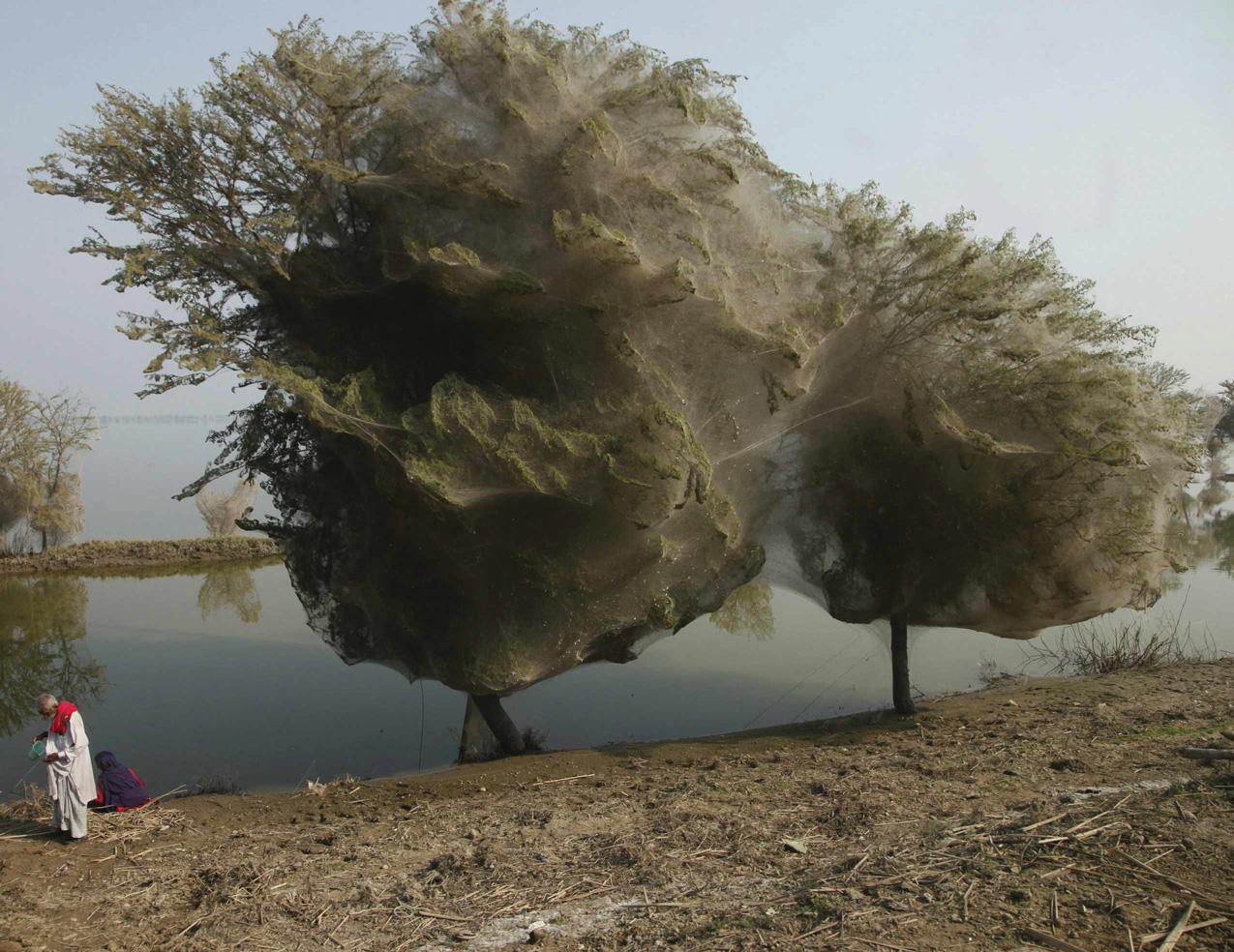
In 2010, countless trees were left shrouded in swathes of silk in Pakistan following monsoon rains. It's thought that the flood waters forced millions of spiders to take refuge in the trees, where they spun these veil-like webs. Though the identity of the spiders in this image is not known, some species will congregate in composite webs, often resembling huge hammocks or sheets. Spiders live alone as a rule, but some - most of which are small and occur in the tropics - exhibit varying degrees of social behaviour. Communal webs enable them to catch much bigger prey and share the energy-sapping tasks of spinning the webs and maintaining their structure. Occasionally, enormous megawebs appear, covering several hundred square metres in silk, perhaps because a superabundance of prey caused an explosion in the local spider population.

WHEELS OF FORTUNE

このストーリーは、BBC Science Focus の August 2022 版からのものです。
Magzter GOLD を購読すると、厳選された何千ものプレミアム記事や、10,000 以上の雑誌や新聞にアクセスできます。
すでに購読者ですか? サインイン
BBC Science Focus からのその他のストーリー

BBC Science Focus
DOES MY DOG HAVE ADHD?
Officially, Attention-Deficit Hyperactivity Disorder (ADHD) is a human condition. People are diagnosed with it. Dogs are not. Yet many of its core features, including hyperactivity, impulsivity and distractibility, can be found in dogs.

1 min
March 2026

BBC Science Focus
DOES MY BRAIN LIVE A LITTLE IN THE PAST?
Yes, your brain does live a little in the past. It can't help it. The information it receives via your senses is always a little out of date. Whether it's light entering the retinas in your eyes, or sounds vibrating the hairs in your ears, it not only takes time for the data to arrive, but your brain then has to process it.
2 mins
March 2026
BBC Science Focus
ASTRONOMY FOR BEGINNERS
RETURN OF THE EVENING STAR (VENUS)
1 mins
March 2026

BBC Science Focus
CAN YOU STOP YOUR SENSE OF TASTE DULLING AS YOU AGE?
Sometimes I hear people say that food just doesn't taste the same as they get older. It's tempting to blame this on age, but there are other factors at play, too.
1 mins
March 2026

BBC Science Focus
MICROBIOMES OF THE SUPERAGERS
BY STUDYING THE INCREASING NUMBER OF PEOPLE WHO ARE LIVING BEYOND THEIR 100TH BIRTHDAYS, SCIENTISTS ARE DISCOVERING THAT THE SECRET TO REACHING A RIPE OLD AGE IN RUDE HEALTH MIGHT LIE IN OUR GUTS
8 mins
March 2026

BBC Science Focus
HOW BIG WERE MEDIEVAL WAR HORSES?
You might picture knights charging into battle on towering steeds, but medieval horses were typically no bigger than modern-day ponies.
1 min
March 2026

BBC Science Focus
FORCES OF HABIT
Could new research on setting up healthy habits resuscitate those stuttering New Year resolutions?
3 mins
March 2026

BBC Science Focus
5 DANGERS HIDING IN YOUR PROCESSED FOOD
We all know that ultra-processed foods are bad for us, but what ingredients should we particularly try to avoid? And what are they doing to our bodies?
9 mins
March 2026

BBC Science Focus
Mosquitoes are becoming thirstier for human blood
Habitat loss may be pushing mosquitoes towards human hosts with deadly consequences
1 mins
March 2026

BBC Science Focus
HOW CAN I GET OVER MY EX?
Relationship breakups can be brutal, just look at the popularity of songs like 'Someone Like You' by Adele, or all the covers of 'Cry Me a River' by Julie London.
1 mins
March 2026
Translate
Change font size