
Magzter GOLDで無制限に
10,000以上の雑誌、新聞、プレミアム記事に無制限にアクセスできます。
試す 金 - 無料
IS FREE WILL AN ILLUSION?
BBC Science Focus
|February 2026
Neuroscience could hold the key to answering one of philosophy's oldest questions
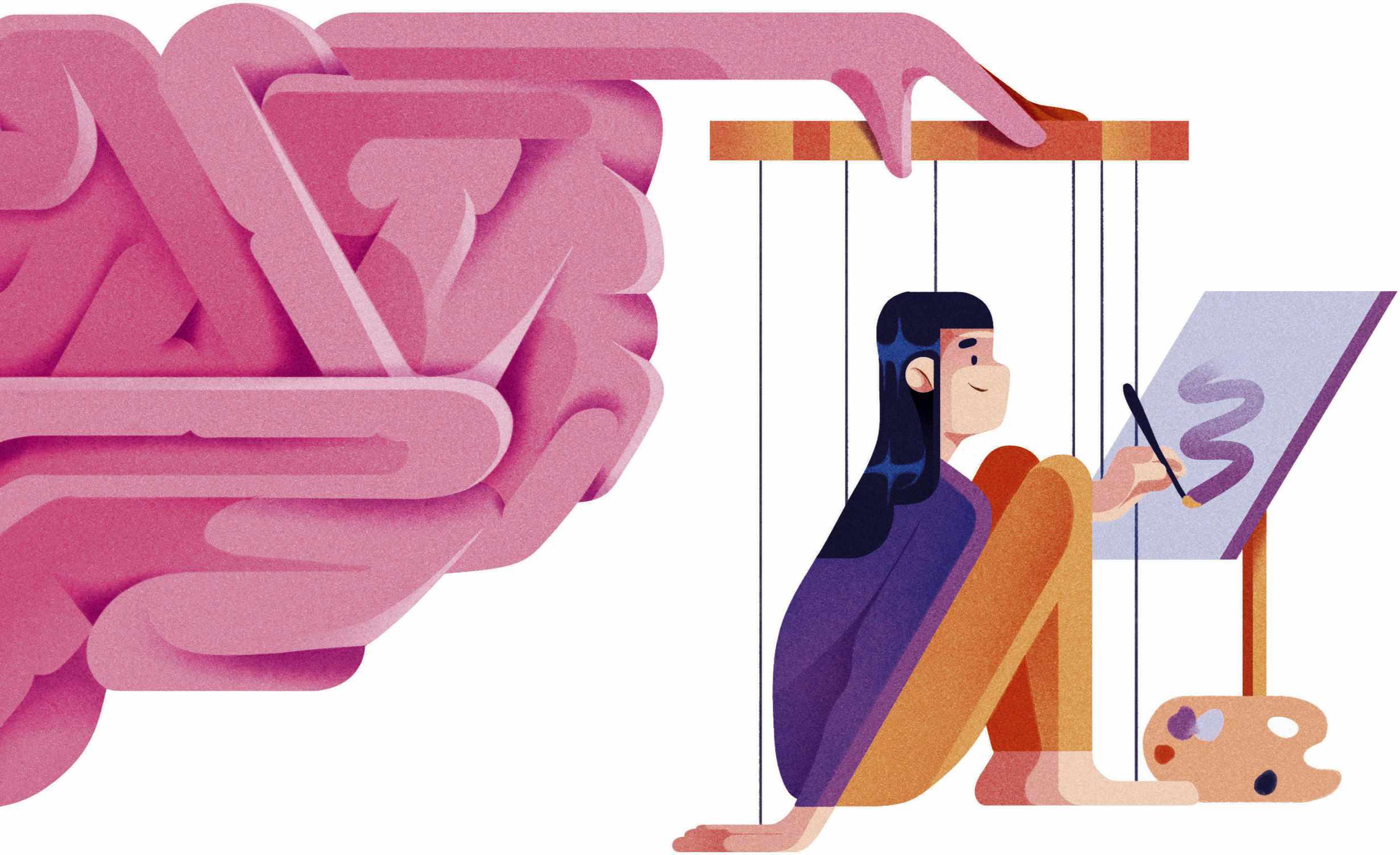
Whether or not we have free will is a question philosophers have been debating for millennia. In the early 1980s, there was a brief moment when it appeared the debate may finally have been settled. The potential solution came not from philosophy, but neuroscience.
The answer, somewhat depressingly, was that free will didn't exist. Experiments carried out by the neuroscientist Benjamin Libet appeared to show decisions being made in the brain before people were even aware of them. It was as if science had finally revealed the strings of the puppet master controlling our thoughts and actions.
To even casual observers of the history of inquiries into free will, this pronouncement felt premature. Thankfully, they were right. Scientists today are much more sceptical not only of the idea that free will doesn't exist, but also of the notion that brain scans will ever definitively prove or disprove its existence. But why?
HOW YOU MAKE A DECISION
Ultimately, the question of free will may be best left to philosophers, but that doesn't mean it's a topic neuroscientists should ignore. Experiments into how the human brain makes decisions have led to important insights into neurology and psychology, and have expanded our understanding of the brain's inner workings.
Those experiments include the ones Libet conducted in the 1980s, which, although viewed in a more critical light now, paved the way for decades of innovative research. The experiments were simple. Libet attached volunteers to an electroencephalogram (EEG) machine to monitor their brain activity, then placed a button in front of them and asked them to decide when they wanted to press it. While they were deciding, they had to watch a timer, consisting of a dot moving around the inside of a circle (like a second hand on a clock). Each volunteer had to note the dot's position when they decided to press the button.

このストーリーは、BBC Science Focus の February 2026 版からのものです。
Magzter GOLD を購読すると、厳選された何千ものプレミアム記事や、10,000 以上の雑誌や新聞にアクセスできます。
すでに購読者ですか? サインイン
BBC Science Focus からのその他のストーリー

BBC Science Focus
World's biggest cobweb is home to 100,000 spiders
Spiders don't normally create such large colonies, so there's no need to worry about finding one in your basement

1 min
February 2026

BBC Science Focus
A dementia vaccine could be gamechanging – and available already
Getting vaccinated against shingles could protect you from getting dementia, or slow the progression of the disease
1 mins
February 2026

BBC Science Focus
DATA IN SPACE
An unusual spacecraft reached orbit in November 2025, one that might herald the dawn of a new era.
7 mins
February 2026

BBC Science Focus
Climate change is already shrinking your salary
No matter where you live, a new study has found warmer temperatures are picking your pocket
4 mins
February 2026

BBC Science Focus
A MENTAL HEALTH GLOW-UP
Forget fine lines. Could Botox give you an unexpected mental health tweakment?
3 mins
February 2026
BBC Science Focus
Most people with high cholesterol gene don't know they have it
Standard testing struggles to detect the condition
1 mins
February 2026
BBC Science Focus
HOW CAN I BOOST MY IQ?
If you're serious about getting smarter, it's time to ditch the brain-training apps
4 mins
February 2026

BBC Science Focus
Humans are absolutely terrible at reading dogs' emotions
Think you can tell how our furry friends are feeling? Think again
1 mins
February 2026

BBC Science Focus
HOW TO TEACH AI RIGHT FROM WRONG
If we want to get good responses from AI, we may need to see what it does when we ask it to be evil
3 mins
February 2026

BBC Science Focus
What Australia's social media ban could really mean for under-16s
Many people think social media is bad for our kids. Australia is trying to prove it
5 mins
February 2026
Listen
Translate
Change font size