試す 金 - 無料
Cats get dementia too. And it could help us find a treatment
BBC Science Focus
|September 2025
New research has found that felines develop dementia in a similar way to us, opening the door to further research
-
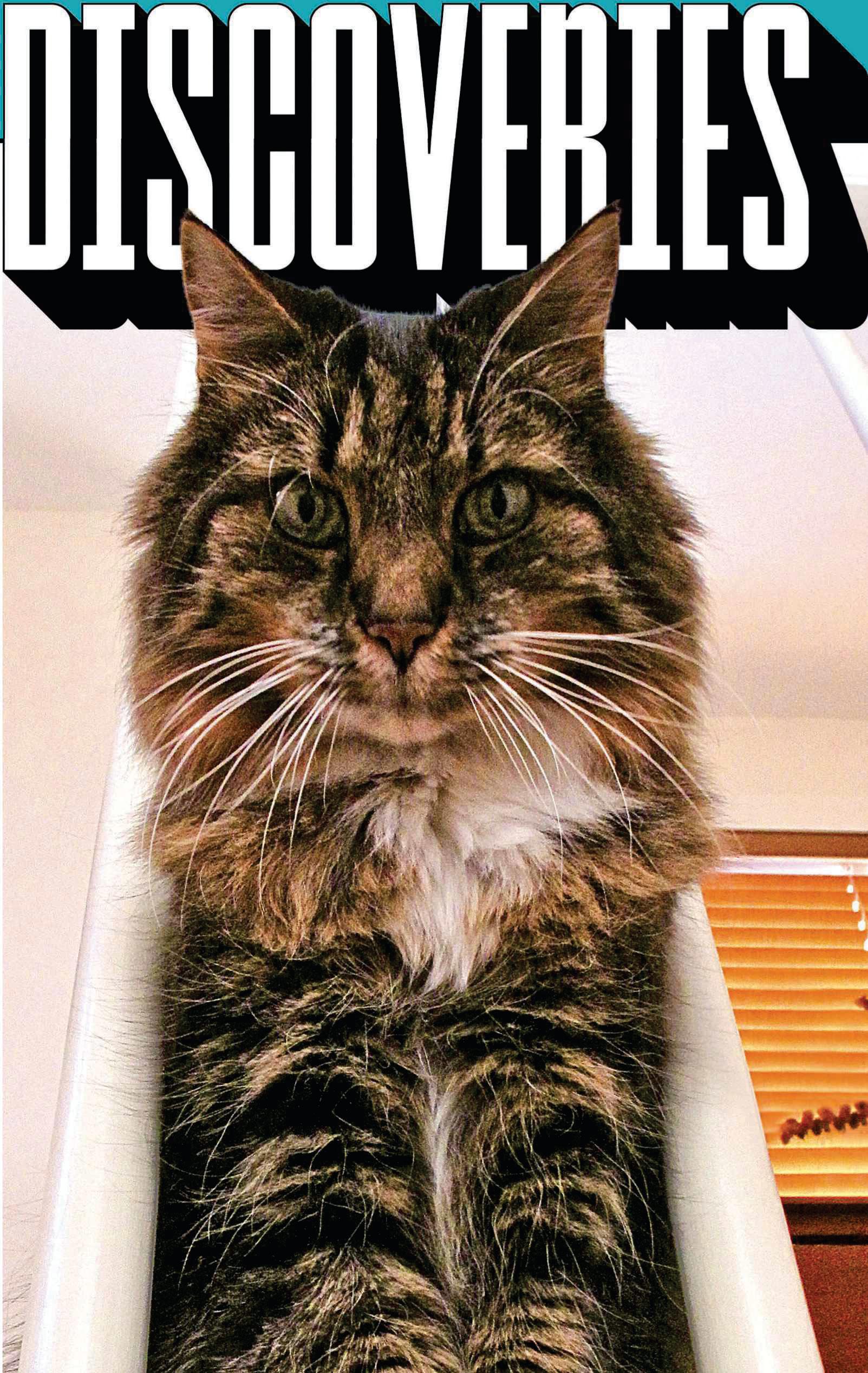
Cats who develop dementia-like symptoms in old age have similar changes in their brains to humans with Alzheimer's, a new study has found. The findings could open the door to new research, possibly helping us discover therapies for the notoriously difficult-to-treat disease.
"Compared to other diseases, our progress in treating Alzheimer's has been fairly poor," Dr Robert McGeachan, lead author of the study, told BBC Science Focus.
"Cats could be a better, more relevant model for the disease because we're seeing similar things happening in the brain. By studying Alzheimer's in cats, we can perhaps develop treatments that are more likely to be successful in humans."
Alzheimer's is the most common form of dementia, a collection of neurodegenerative diseases affecting people's memory, problem-solving, language and behaviour. Roughly 1 in 9 people aged over 65 has Alzheimer's and with global populations ageing, more than 150 million people could be living with the disease by 2050. Yet despite decades of research and fortunes spent, almost no effective treatments are available today.
HOW CATS GET DEMENTIA
The fact that cats exhibit dementia-like symptoms as they age isn't new. According to one survey, nearly a third of cats aged 11-14 exhibit at least one sign of feline cognitive dysfunction syndrome (CDS) — the veterinary term for the cat equivalent of dementia. For cats over 15, that figure jumps to more than half.
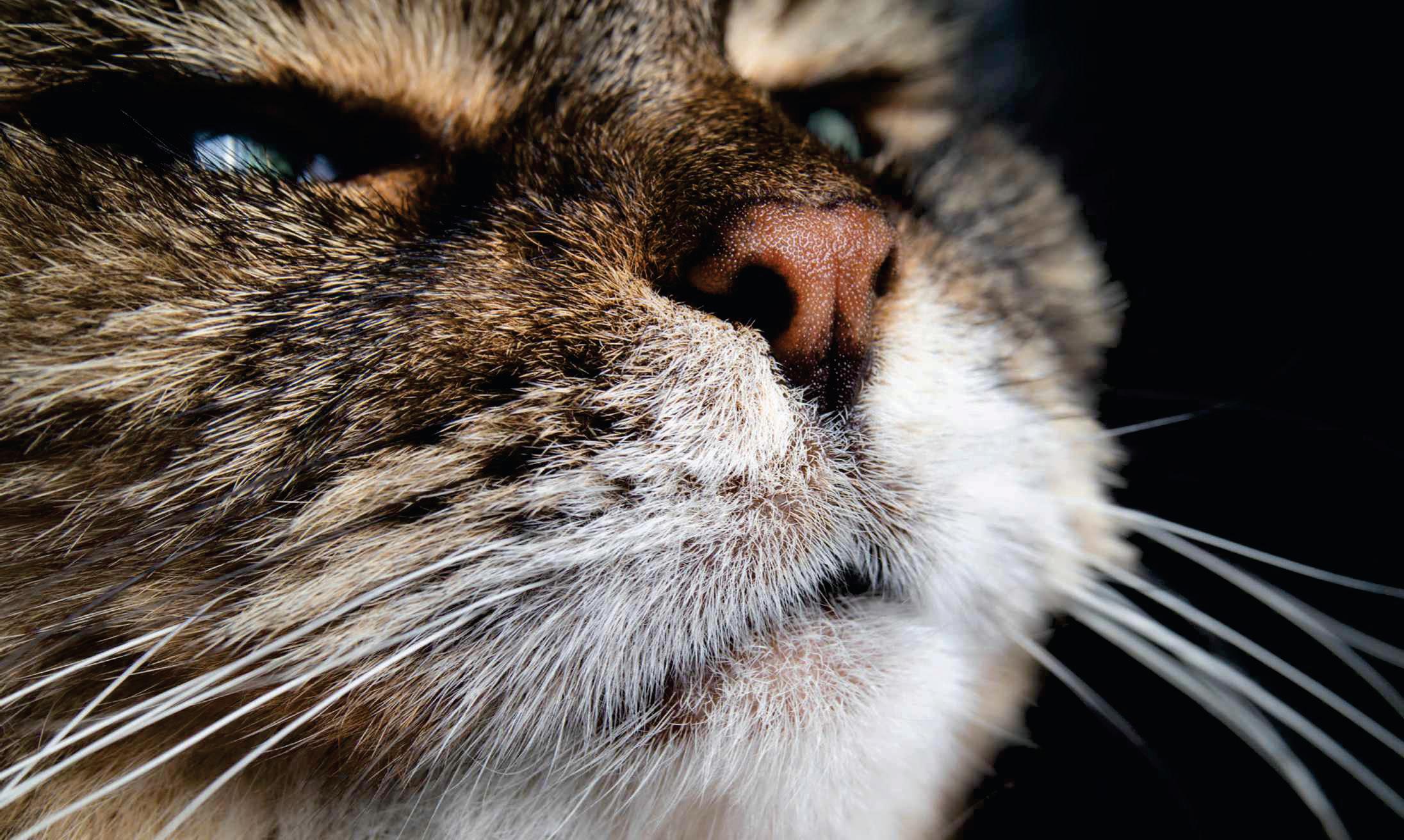 Symptoms of feline CDS, much like Alzheimer’s, include changes in the sleep-wake cycle and disorientation. Cats may also become more vocal (meowing more) and often desire more comfort and attention from their owners.

このストーリーは、BBC Science Focus の September 2025 版からのものです。
Magzter GOLD を購読すると、厳選された何千ものプレミアム記事や、10,000 以上の雑誌や新聞にアクセスできます。
すでに購読者ですか? サインイン
BBC Science Focus からのその他のストーリー

BBC Science Focus
HEALTH: Eating oats could lower your cholesterol in just two days
The health benefits of a two-day porridge diet lasted for weeks afterwards

1 mins
April 2026

BBC Science Focus
Most people are too sure they can identify fake human faces
Even 'super recognisers' struggle with the challenge. Can you do better?
1 min
April 2026

BBC Science Focus
WHAT'S THE WORST THING YOU CAN DO FOR THE PLANET ONLINE?
Human beings can barely move a muscle without some kind of deleterious effect on the environment around us.
2 mins
April 2026

BBC Science Focus
A bug in the system
The complex arrangement of equipment you see here is part of a particle accelerator.
1 min
April 2026
BBC Science Focus
Snug as a bug in a rug
At first glance, you might feel envious of this little leafhopper, swaddled beneath the folds of what appears to be a luxurious fur blanket.
1 min
April 2026

BBC Science Focus
WHY DO WE ROOT FOR THE VILLAIN IN MOVIES?
Whether it's Darth Vader or Cruella de Vil, we all have a favourite movie villain.
1 mins
April 2026

BBC Science Focus
A TURN TO DISPERSE
Why a fart walk after dinner does more than release your gas
3 mins
April 2026

BBC Science Focus
Hatching a nebula
Welcome to the Egg Nebula, an enigmatic structure formed by ejected stardust in the Cygnus constellation around 1,000 light-years from Earth.
1 min
April 2026

BBC Science Focus
7 TIMES AI GOT IT SPECTACULARLY WRONG
For the past four years, AI has been reshaping how we work and live. But its failures are proving just as transformative as its triumphs
8 mins
April 2026

BBC Science Focus
CHARLES ADCOCK, VIA EMAIL: COULD DARK MATTER BE ALL AROUND PLANET EARTH BUT UNDETECTABLE?
Astronomers have gathered overwhelming evidence that 80 per cent of all matter in the Universe is invisible.
1 min
April 2026
Listen
Translate
Change font size