試す 金 - 無料
A DISASTER WAITING TO HAPPEN
BBC Science Focus
|August 2023
Earth is blanketed by a swarm of human-made debris hurtling around at speeds of up to 8km per second - about five times the speed of a bullet. The UK's Earth & Space Sustainability Initiative hopes to catch these fast-moving projectiles and clean up the nasty, and potentially lethal, mess our cosmic littering habit has caused

We used to think of Earth and the night sky as completely different realms. Whereas Earth is lush, green and filled with life, outer space is remote, dark and forbidding. Now we know that is simply not true.
Instead of outer space, we should think of it as near space. As British astronomer Fred Hoyle (1915-2001) was quoted as saying in a 1979 edition of The Observer: "Space isn't remote at all. It's only an hour's drive away if your car could go straight upwards."
Our use of satellites for communications, navigation and observation has tied Earth and space together as never before. It's no exaggeration to say that society as we know it could not function without the satellite networks that circle the planet.
Something approaching half of the 195 countries in the world now own at least one satellite. As a result, what happens in space inevitably influences what happens on Earth, and vice versa. Space has become an extension of Earth's environment, a new frontier where human influence is felt.
It's therefore essential that we understand the limits of this new environment and its resources to ensure that our current activities are sustainable, so that future generations can continue to benefit from the unique opportunities that space offers.
A CHANGE OF APPROACH
"I do think we're at a juncture where we need to review what we've been doing in space and consider what's needed for the future," says Joanne Wheeler, managing partner at the London-based law firm Alden Legal, which specialises in satellite, space and communications law.
Wheeler has a background in space law and international environmental law, and has been interested in space debris for around 25 years, having once been the European Space Agency's main lawyer covering issues related to space debris.


このストーリーは、BBC Science Focus の August 2023 版からのものです。
Magzter GOLD を購読すると、厳選された何千ものプレミアム記事や、10,000 以上の雑誌や新聞にアクセスできます。
すでに購読者ですか? サインイン
BBC Science Focus からのその他のストーリー

BBC Science Focus
DOES MY DOG HAVE ADHD?
Officially, Attention-Deficit Hyperactivity Disorder (ADHD) is a human condition. People are diagnosed with it. Dogs are not. Yet many of its core features, including hyperactivity, impulsivity and distractibility, can be found in dogs.

1 min
March 2026

BBC Science Focus
DOES MY BRAIN LIVE A LITTLE IN THE PAST?
Yes, your brain does live a little in the past. It can't help it. The information it receives via your senses is always a little out of date. Whether it's light entering the retinas in your eyes, or sounds vibrating the hairs in your ears, it not only takes time for the data to arrive, but your brain then has to process it.
2 mins
March 2026
BBC Science Focus
ASTRONOMY FOR BEGINNERS
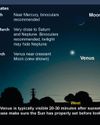
RETURN OF THE EVENING STAR (VENUS)
1 mins
March 2026

BBC Science Focus
CAN YOU STOP YOUR SENSE OF TASTE DULLING AS YOU AGE?
Sometimes I hear people say that food just doesn't taste the same as they get older. It's tempting to blame this on age, but there are other factors at play, too.
1 mins
March 2026
BBC Science Focus
MICROBIOMES OF THE SUPERAGERS
BY STUDYING THE INCREASING NUMBER OF PEOPLE WHO ARE LIVING BEYOND THEIR 100TH BIRTHDAYS, SCIENTISTS ARE DISCOVERING THAT THE SECRET TO REACHING A RIPE OLD AGE IN RUDE HEALTH MIGHT LIE IN OUR GUTS
8 mins
March 2026

BBC Science Focus
HOW BIG WERE MEDIEVAL WAR HORSES?
You might picture knights charging into battle on towering steeds, but medieval horses were typically no bigger than modern-day ponies.
1 min
March 2026
BBC Science Focus
FORCES OF HABIT
Could new research on setting up healthy habits resuscitate those stuttering New Year resolutions?
3 mins
March 2026

BBC Science Focus
5 DANGERS HIDING IN YOUR PROCESSED FOOD
We all know that ultra-processed foods are bad for us, but what ingredients should we particularly try to avoid? And what are they doing to our bodies?
9 mins
March 2026
BBC Science Focus
Mosquitoes are becoming thirstier for human blood
Habitat loss may be pushing mosquitoes towards human hosts with deadly consequences
1 mins
March 2026

BBC Science Focus
HOW CAN I GET OVER MY EX?
Relationship breakups can be brutal, just look at the popularity of songs like 'Someone Like You' by Adele, or all the covers of 'Cry Me a River' by Julie London.
1 mins
March 2026
Translate
Change font size