試す 金 - 無料
Powering reform: Why electricity tariffs must be rewired for Sri Lanka's future
Daily FT
|June 12, 2025
SRI Lanka's electricity tariffs have never made much economic sense as they're full of distortions, cross-subsidies and based on outdated assumptions. This is why the Advocata Institute recently made a formal submission to the Public Utilities Commission of Sri Lanka (PUCSL), proposing a complete overhaul of the way electricity is priced. The goal isn’t just to balance the books. It’s to improve transparency and efficiency of the system.
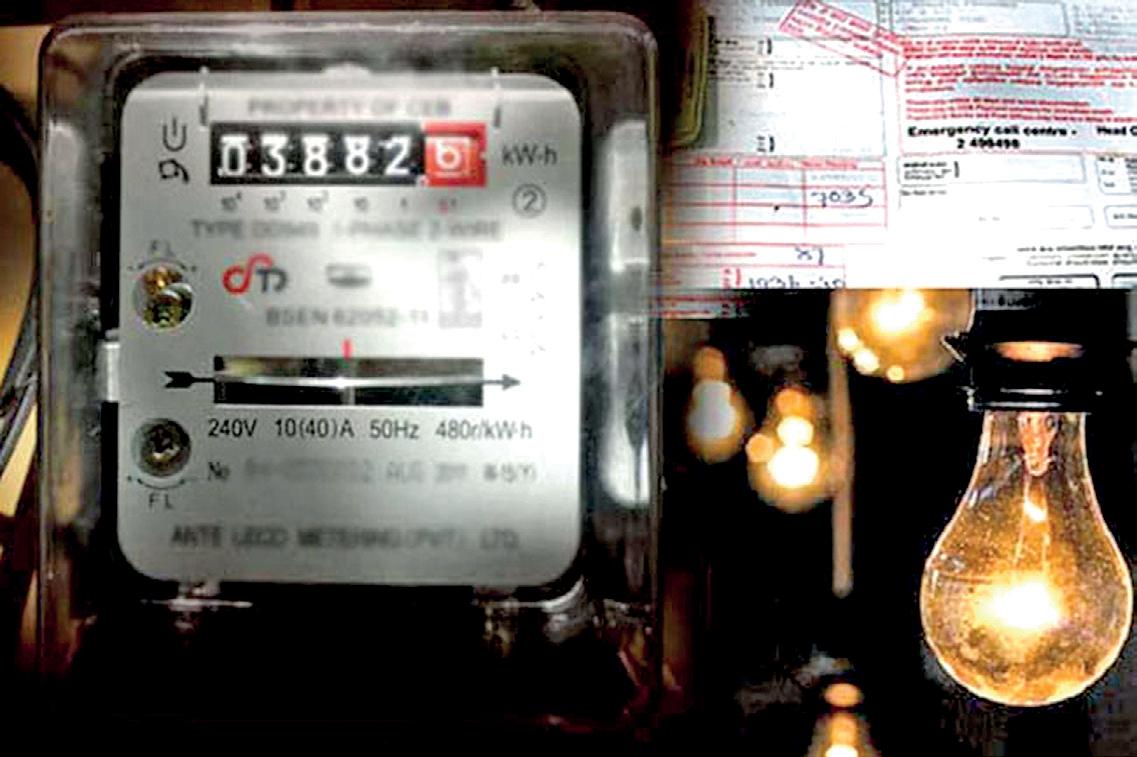
At the heart of this effort lies one central truth: effective electricity pricing must reflect the realities of production and consumption. Electricity is unlike other goods. It is homogeneous—a unit of electricity is identical no matter how it’s generated. It is non-storable—it must be consumed as it is produced. And its cost varies across time, depending on the generation mix and demand patterns. Any pricing system must accommodate these characteristics.
Fixing the foundations: Rational tariff structures
Today’s electricity tariff structure in Sri Lanka is riddled with inconsistencies and cross-subsidies. There are multiple user categories—domestic, General Purpose/Government, Industrial/Hotel, Religious, and Charitable—each with its own rate schedule. Yet, these distinctions often bear little relationship to actual consumption patterns or cost of supply. For instance, a restaurant in a hotel pays a lower rate than an identical restaurant in a shopping mall. This defies logic and undermines equity.
We propose a simpler, fairer approach: consumers who use the same commodity under similar conditions should pay the same rate. The only justified exception is a lifeline tariff for low-income domestic users—a targeted subsidy that ensures affordability without distorting market signals.
Tariffs must also be aligned with the full economic cost of supply, including generation, transmission, distribution, and system losses. Underpricing electricity results in underinvestment, rising debt, and operational inefficiencies—conditions that have long plagued the Ceylon Electricity Board (CEB).
Principles for smart pricing
Drawing on international best practice, we recommend that Sri Lanka adopt five key principles in electricity tariff design:
1.Cost-reflective pricing — Charges should transparently account for generation, transmission, distribution, and losses.

このストーリーは、Daily FT の June 12, 2025 版からのものです。
Magzter GOLD を購読すると、厳選された何千ものプレミアム記事や、10,000 以上の雑誌や新聞にアクセスできます。
すでに購読者ですか? サインイン
Daily FT からのその他のストーリー
Daily FT
UN warns "world is not prepared” for escalating climate disasters
THE United Nations yesterday issued a stark warning that the world is increasingly vulnerable to extreme weather events, with current systems, financing and infrastructure far from adequate to handle the accelerating pace and scale of dimate-related disasters.

2 mins
December 12, 2025

Daily FT
Sajith launches Disaster Information Centre
Located at Office of the Opposition Leader Aims to collect disaster- related information at Grama Niladhari level
1 min
December 12, 2025
Daily FT
Assetline Finance's landmark Rs. 5 b listed debt issue oversubscribed
Subscription list closes on opening day as investors grab initial offer and option
1 min
December 12, 2025

Daily FT
US Fed delivers third rate cut of the year
THE US Federal Reserve lowered its benchmark federal funds rate by 25 basis points on Wednesday to a range of 3.5%-3.75%, marking the third cut this year.
1 min
December 12, 2025
Daily FT
Positive momentum in primary auctions continue
Secondary Bond market rates decrease Rupee depreciates
1 mins
December 12, 2025
Daily FT
ADB grants $ 200 m loan for water, food security in North Central Province
THE Asian Development Bank (ADB) yesterday said it has approved a $ 200 million loan to support the ongoing Mahaweli Development Program, Sri Lanka's largest multi-use water resources development initiative.
2 mins
December 12, 2025

Daily FT
Banking assets up 16% YoY to Rs. 24.5 t in 9M
THE banking industry expanded its balance sheet in the nine months to end-September 2025, with total assets increasing to Rs. 24.5 trillion and Profit After Tax (PAT) rising to Rs. 279 billion, according to Central Bank data.
1 min
December 12, 2025

Daily FT
Cabinet green lights procuring range of vehicles and equipment to boost primary health care system
THE Cabinet of Ministers on Wednesday approved the procurement of a wide range of vehicles and equipment to improve the country's primary health care system.
1 mins
December 12, 2025

Daily FT
Cabraal discharged on condition he compensates Central Bank in three months
Lawyer argues his client had no intention of causing financial loss to GoSL
2 mins
December 12, 2025

Daily FT
New 3% concessionary loan scheme to support 130,000 MSMEs from next year
IN a bid to revitalise micro, small, and medium enterprises (MSMEs) affected by recent disasters, the Government has decided to launch the RE-MSME PLUS and RE-MSME Disaster Relief loan schemes from 2026.
1 min
December 12, 2025
Listen
Translate
Change font size