
Magzter GOLDで無制限に
10,000以上の雑誌、新聞、プレミアム記事に無制限にアクセスできます。
試す 金 - 無料
Someone Else's Problem
The Caravan
|July 2025
Waste and labour in urban South Asia
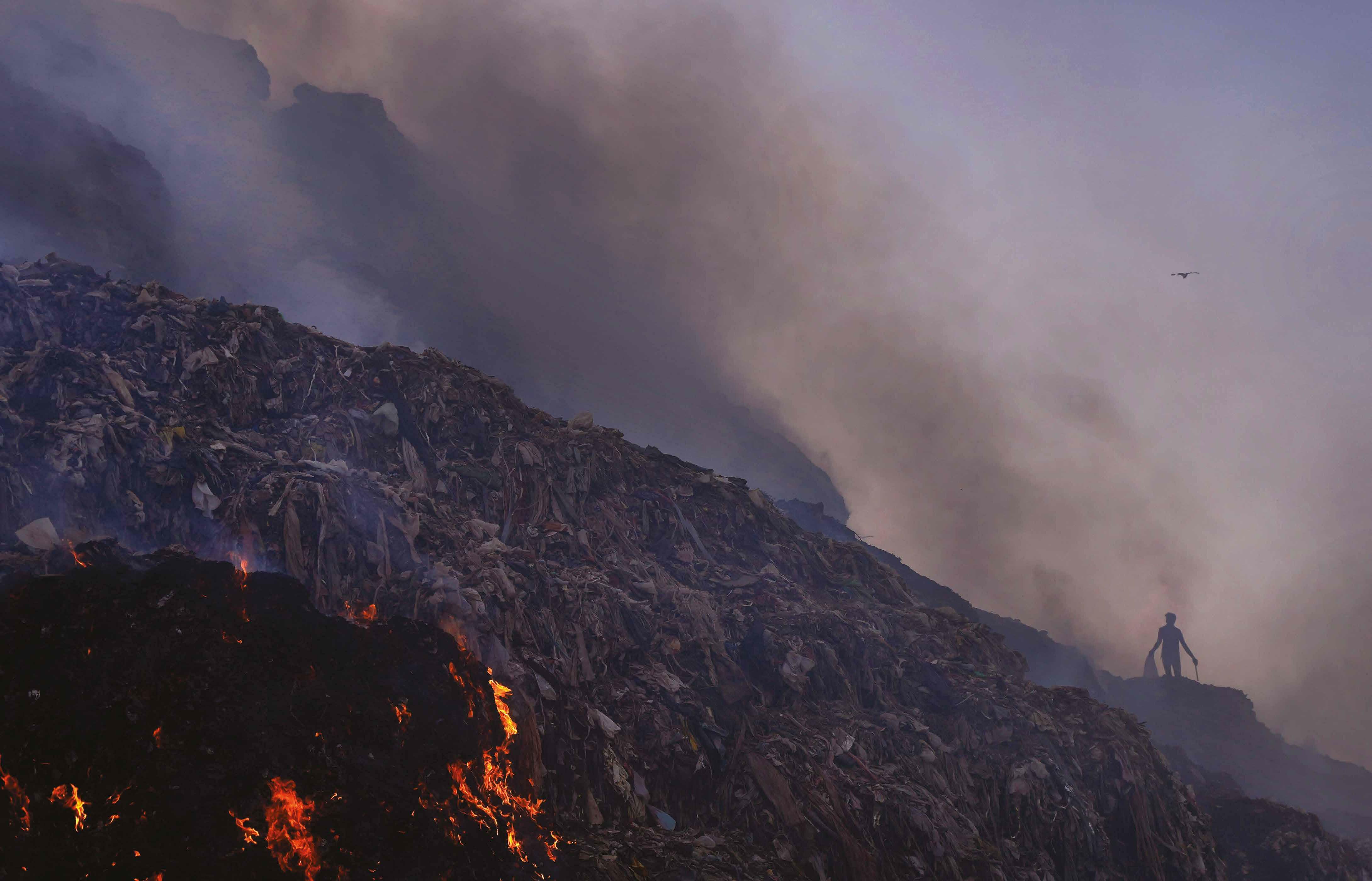
THE PROLOGUE to Saabira Chaudhuri's Consumed: How Big Brands Got Us Hooked on Plastic opens with a ludicrous image: a massive orange barge carrying over three thousand tonnes of garbage sailed from the United States to Belize and back in 1987, desperately seeking a place to unload. Earlier that year, a “hapless entrepreneur” had heard of the possibility of making big money if methane from garbage could be turned into energy, and a mafia leader was willing to pay him for trash to be dumped in other states, given that New York was running out of landfill space. But this was far more complex than it sounded, as officials of various states and countries, including Mexico and the Bahamas, did not want to touch it with the proverbial bargepole. Months later, after Congressional hearings and immense news coverage, the Mobro 4000 had “turned into an international symbol of America’s garbage crisis.”
At the time, Chaudhuri writes, the US was producing nearly 230 million tonnes of garbage a year, with packaging forming a significant part of this. It continues to be the largest per capita creator of plastic waste, besides being known for exporting its used plastic. The book uses the anecdote about the ship as a hook to examine a salient question today: what do we do with plastic being thrown away in ever bigger numbers? “Globally, the equivalent of one truck of plastic waste ends up in the ocean every minute,” she writes. “Plastic comprises between 70 and 80 per cent of the litter that ends up in marine environments.” With a second chapter focussed on the story of shampoo brands and their promotion of sachets—in 2021, almost 41 billion shampoo packages were sold in India, of which 99 percent were sachets—Chaudhuri examines the prolific rise of single-use plastic in India and the millions of dollars that brands such as Unilever have put into getting their consumers dependent on disposable products.

このストーリーは、The Caravan の July 2025 版からのものです。
Magzter GOLD を購読すると、厳選された何千ものプレミアム記事や、10,000 以上の雑誌や新聞にアクセスできます。
すでに購読者ですか? サインイン
The Caravan からのその他のストーリー

The Caravan
Dim Views
Punjab's new media suffers from old problems

22 mins
February 2026

The Caravan
ON FIRM GROUND
The civic struggle against uranium mining in the West Khasi Hills
6 mins
February 2026

The Caravan
DANGEROUS LIAISON
Why India enabled Israel's genocide in Gaza
44 mins
February 2026

The Caravan
Platform for Change
A women-led union gives voice to India's gig workers
6 mins
February 2026

The Caravan
NARAVANE'S Moment of Truth
An army chief's unpublished memoir exposes how the Modi government spun the China border crisis
44 mins
February 2026

The Caravan
A Brief History of the Slap
How Telugu cinema's heroes turn violence against women into romance
9 mins
February 2026

The Caravan
FACE PALM
Why the Congress keeps losing elections
33 mins
January 2025

The Caravan
The Great Transformation
Challenges facing independent news outlets in the digital age/Media
6 mins
January 2025

The Caravan
The Mob Comes for Film Critics
Dhurandhar and the manufacture of a national consensus
11 mins
January 2025
The Caravan
Memories Are Made of This
FOOD IN DALIT AND ADIVASI WRITING
15 mins
January 2025
Listen
Translate
Change font size