試す 金 - 無料
WHAT IS OWED
TIME Magazine
|July 24, 2023
How the tiny island of Barbados became a leader in the global push for reparations
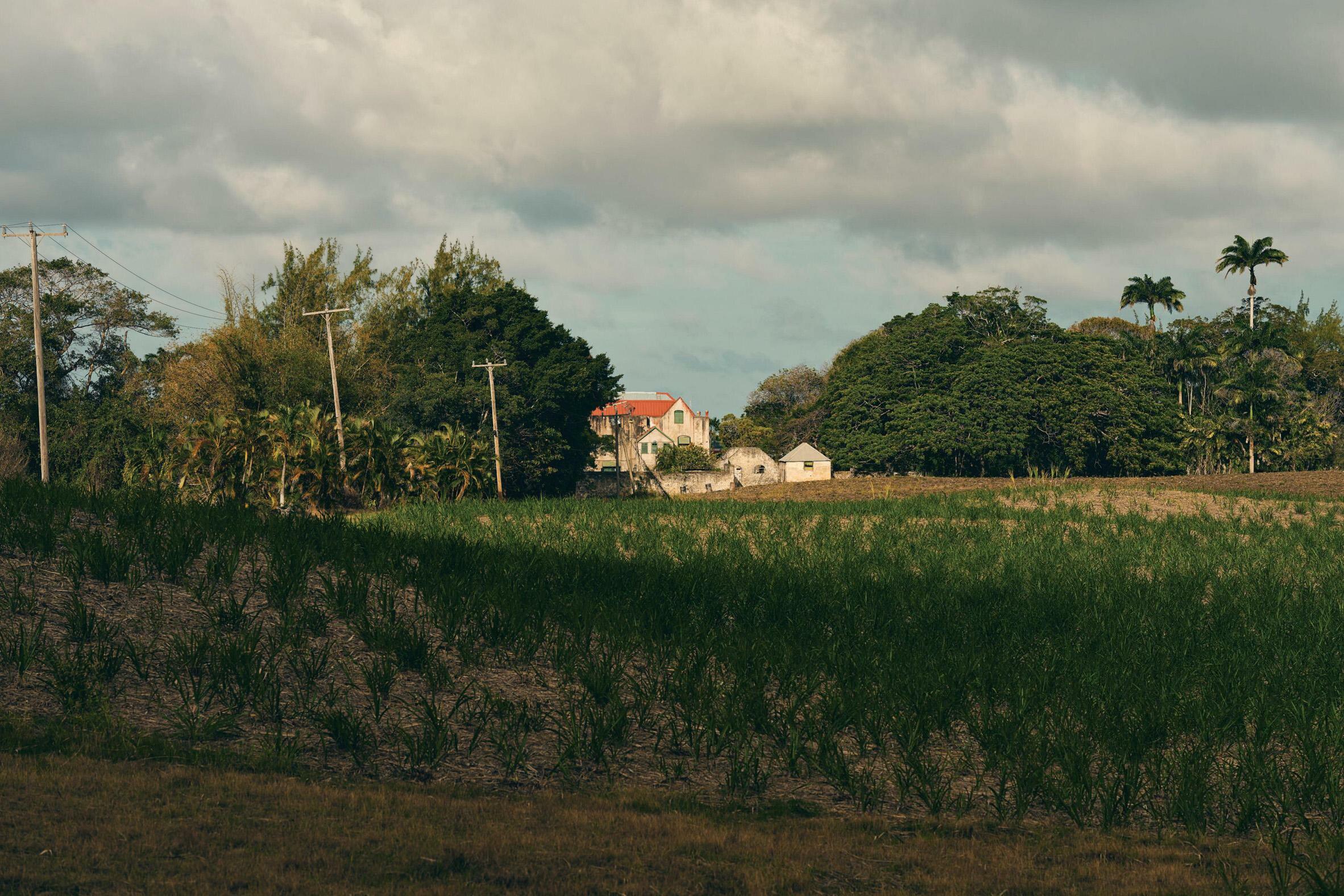
WHEN WE REACH THE DIRT ROAD leading to Drax Hall plantation, Esther Phillips suggests we stop the car. Phillips, 73, gets out and draws in a deep breath. There's a faint, sweet smell of something akin to rum out here, about eight miles from the capital city. The dried remains of sugarcane, burned then harvested, flank the road.
This is about as close as she can get.
Drax Hall, a Barbados plantation where sugar has been reaped for nearly four centuries, was for so long just an ordinary part of what Phillips understood as her wholesome childhood. She grew up nearby, skipping across the grounds to school. She remembers gathering milk from cows here, hearing stories about a relative working in the big house, caring for the child referred to as the Young Missy. She remembers her grandfather overseeing a crew of women in the plantation's Negro (or another N word) yard. Built in the early 1650s, Drax Hall is believed to be the oldest Jacobean structure in the western hemisphere. And it's here that enslaved Black labor and, later, people existing somewhere between slavery and freedom, did the dangerous work to make others sugar-rich.


このストーリーは、TIME Magazine の July 24, 2023 版からのものです。
Magzter GOLD を購読すると、厳選された何千ものプレミアム記事や、10,000 以上の雑誌や新聞にアクセスできます。
すでに購読者ですか? サインイン
Translate
Change font size