試す 金 - 無料
TV'S ENDLESS HOLOCAUST
TIME Magazine
|May 27, 2024
A surge of World War II dramas fails to connect with the present
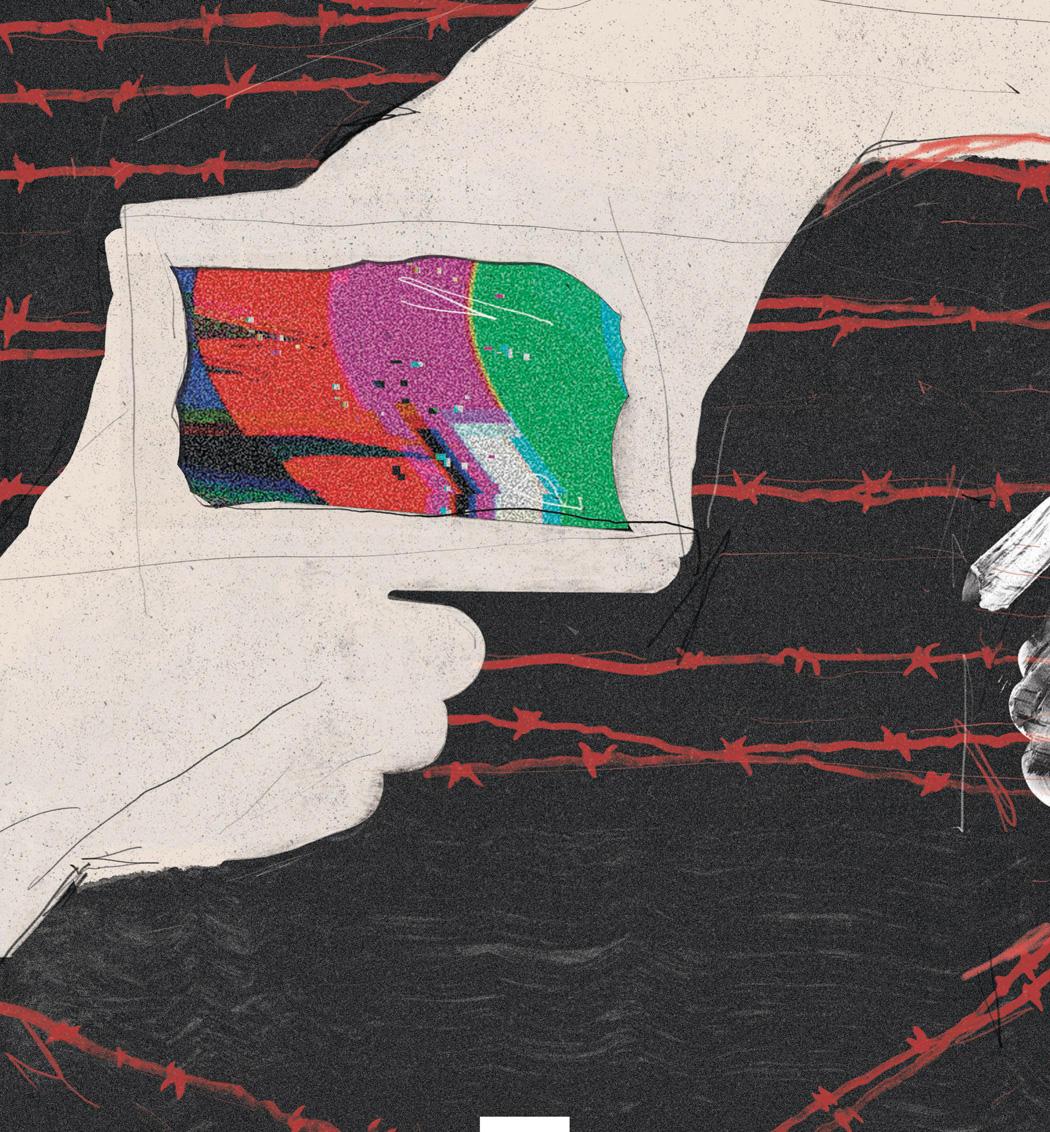
WHEN YOU THINK ABOUT THE HOLOCAUST, what images appear in your mind’s eye? I see Nazis marching into city squares. Jews crushed into airless cattle cars. An iron gate with the inscription ARBEIT MACHT FREI, and beyond it, rows of spartan dormitories housing skeletal inmates in filthy striped uniforms, subjected to all manner of dehumanization. There are smokestacks, barbed wire, mass graves. These awful tableaux are the products of a lifelong immersion in Holocaust narratives, from factual accounts in textbooks to visits to museums to documentaries screened at Hebrew school. But because I grew up in the era of Schindler’s List and Life Is Beautiful, my most indelible impressions come from pop culture. When I envision a concentration camp, I am seeing a collage of movie stills. The same imagery suffuses The Tattooist of Auschwitz, Peacock’s new adaptation of Heather Morris’ best-selling 2018 novel. Inspired by her conversations with Lali Sokolov, a Slovakian Jew who spent the final years of World War II tattooing ID numbers on new arrivals at the notorious death camp, it is ultimately, as Harvey Keitel’s elderly Lali explains to Heather (Melanie Lynskey), “a love story.” But that romance unfolds against a familiar backdrop of suffering that fits our broadest conceptions of the camps: sadistic Nazis; lines of naked bodies slouching toward death; Jews praying and singing to reassert their humanity. The Tattooist is solidly made historical fiction, built on benign intentions and openhearted performances. It’s also the latest and most generic example of a dubious TV trend: the Holocaust drama. While the genre dates back decades, the past year has seen an explosion of such shows, from We Were the Lucky Ones to The New Look

このストーリーは、TIME Magazine の May 27, 2024 版からのものです。
Magzter GOLD を購読すると、厳選された何千ものプレミアム記事や、10,000 以上の雑誌や新聞にアクセスできます。
すでに購読者ですか? サインイン
Listen
Translate
Change font size