試す 金 - 無料
Turning waste into buildings
TIME Magazine
|November 25, 2024
Insect shells, rice husks, water bottles, and bamboo charcoal might not be the first things that come to mind when you think of high-performance building products.
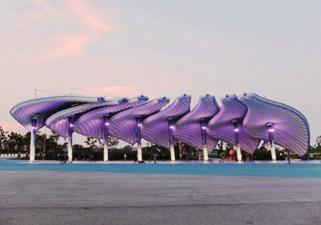
But Taiwanese upcycling company Miniwiz is using them to create just that. "We take leftover construction waste, leftover fiber waste, leftover plastic or packaging waste, and turn that into a building material you can use for another 30 years," says CEO Arthur Huang.
Carbon emissions from the built environment include "operational" carbon generated through uses like lighting and ventilation, and "embodied" or "embedded" carbon, created during the process of material extraction, manufacturing, and transportation. Embedded carbon is expected to contribute to nearly half of new construction emissions between 2020 and 2050.
"We solve the embedded-carbon footprint issue by very dumb logic," Huang says. "You just use the carbon you've already produced."

このストーリーは、TIME Magazine の November 25, 2024 版からのものです。
Magzter GOLD を購読すると、厳選された何千ものプレミアム記事や、10,000 以上の雑誌や新聞にアクセスできます。
すでに購読者ですか? サインイン
Listen
Translate
Change font size