試す 金 - 無料
The nostalgic comforts of a goth-girl autumn
TIME Magazine
|October 28, 2024
AUTUMN MAY BE THE MOST ATMOSPHERIC SEASON, tantalizing the senses with soft sweaters and warm beverages and the crunch of colorful leaves underfoot.
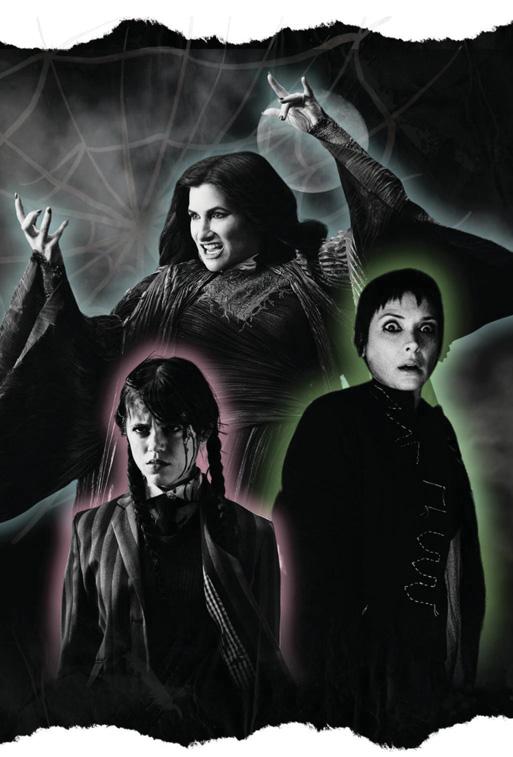
But, as we suddenly remember once Sept. 30 gives way to Oct. 1, it isn't all flannel-swaddled, pumpkin-spice ASMR. This is a time charged with the contradictions inherent in the end of the calendar-cozy and eerie, Thanksgiving and Halloween, harvest and decay. The entertainment industry offers up its own autumnal cornucopia of contrasts. Sandwiched between chummy fall baking competitions and the anodyne made-for-TV Christmas movies that arrive earlier each year is a dollop of bloody, gory, nightmare-inducing horror on screens big and small.
Falling somewhere between the two is a third spookyseason sensibility-one epitomized this year by the reunion of Tim Burton, Winona Ryder, and Michael Keaton in a blockbuster sequel to their classic undead comedy Beetlejuice: goth. With aesthetic roots in pre-Victorian Gothic fiction, goth was adapted into a black-shrouded subculture by fans of melancholic 1980s British rock bands like the Cure and Cocteau Twins and has, since then, been sliced, diced, and spliced into dozens of divergent factions. I'm using it here in the broadest sense. It's dark, it's spooky, it's romantic, it's death-obsessed. It's velvet and lace and vampires and witches and black cats and dripping candles and séances conducted by Ouija board. It has the trappings of horror but no interest in jump scares. And more often than not, especially as it approaches a half-century of existence, goth has a campy sense of humor about its own melodrama.

このストーリーは、TIME Magazine の October 28, 2024 版からのものです。
Magzter GOLD を購読すると、厳選された何千ものプレミアム記事や、10,000 以上の雑誌や新聞にアクセスできます。
すでに購読者ですか? サインイン
Listen
Translate
Change font size