試す 金 - 無料
AFTER SINWAR
TIME Magazine
|November 11, 2024
The architect of Oct. 7 put the Palestinian cause back on the global agenda, but written in blood
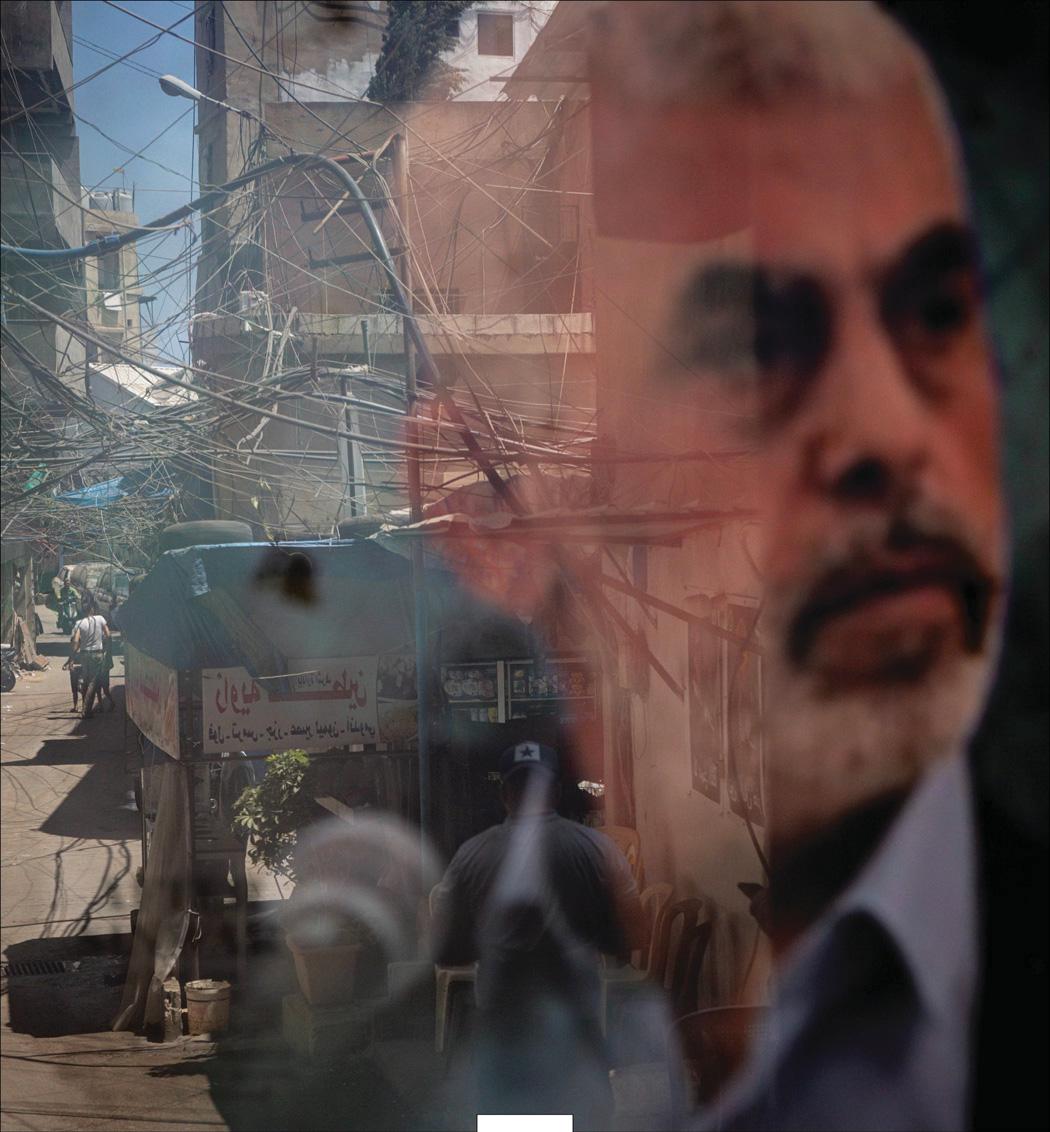
THE CORPSE OF YAHYA SINWAR WAS FOUND IN the landscape he envisioned—the dusty rubble of an apocalyptic war ignited by the sneak attack he had planned in secret for years, and launched on Oct. 7, 2023. The catch was that the fighting extended only 25 miles east and at most four miles south from the shattered villa in southern Gaza where the Hamas leader died one year and nine days later. “The big project,” as Hamas called Sinwar’s plan, had not engulfed the whole of the Middle East as hoped, nor brought about the collapse of Israel. Ground zero for the apocalypse remains the Gaza Strip, the Palestinian enclave Sinwar governed when he unleashed the attack that led to its destruction.
Terror aims to provoke an overreaction. If the first phase of Oct. 7—breaching the fence erected by Israel and overrunning its military bases—was an audacious military operation, the assault on the civilian settlements beyond was something else. During his 22 years in Israeli prison, Sinwar was an avid student not only of Hebrew but also of Jewish history, including pogroms. His 2011 release brought another lesson. Sinwar, dubbed the Butcher of Khan Yunis by his captors for his brutality in dispatching suspected informers, returned to Gaza among more than 1,000 Palestinian prisoners whom Israel traded for the freedom of a single Jewish soldier. As Israeli hostage negotiator David Meidan has observed: “The matter of captives is our soft underbelly.”


このストーリーは、TIME Magazine の November 11, 2024 版からのものです。
Magzter GOLD を購読すると、厳選された何千ものプレミアム記事や、10,000 以上の雑誌や新聞にアクセスできます。
すでに購読者ですか? サインイン
Listen
Translate
Change font size