試す 金 - 無料
INDIA MUST AVOID SEEING THE WORLD THE THROUGH LENS OF THE US PRESIDENT
THE WEEK India
|July 06, 2025
A transactional and unpredictable United States has put India's foreign policy to the test at a time when regional peace and stability have become paramount for the country's progress.
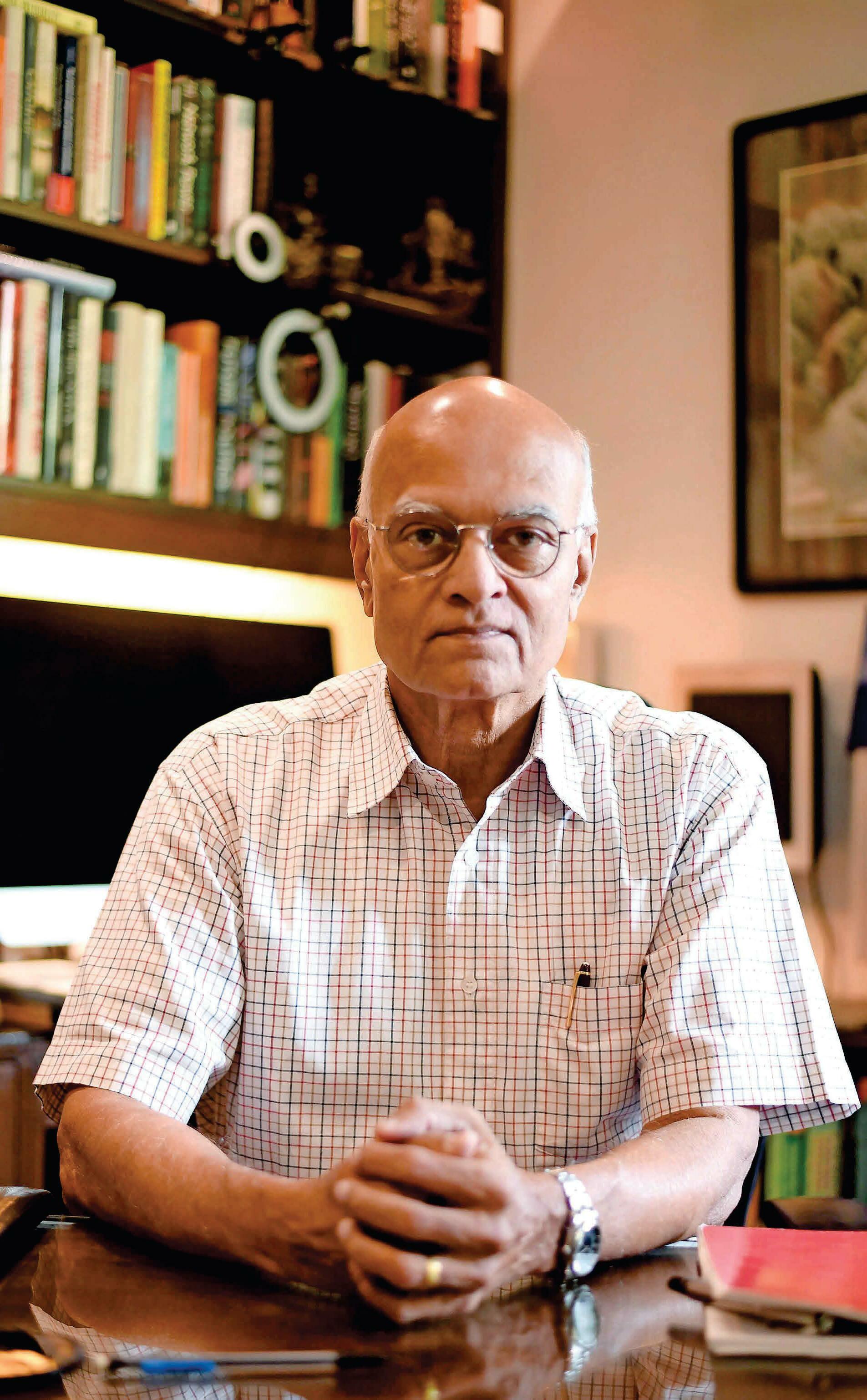
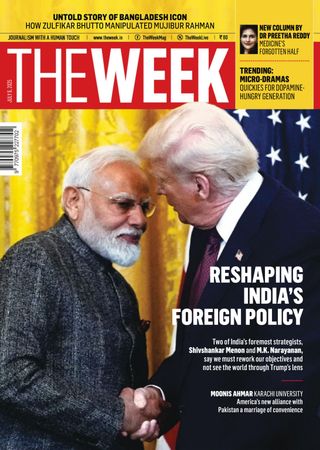
At the moment, despite a fragile ceasefire, the Iran-Israel conflict is roiling the Middle East, even as Israel's operations in Gaza continue. Meanwhile, the Russia-Ukraine conflict is in its third year. US President Donald Trump has intervened in these conflicts, even as he claimed to have pressed the “pause” button on a potential fourth war between India and Pakistan, a statement strongly denied by New Delhi. Former national security adviser Shivshankar Menon argues that New Delhi's interests cannot be served either by remaining silent or by attempting a balancing act, and that it needs to actively pursue peace and stability in the Middle East.
Warning that US-backed military aggression against Iran to remake the Levant is harmful to long-term peace and stability, Menon says, “Peace imposed through war does not last.” New Delhi must avoid seeing the world through the lens of the US President, he says, calling for nuance in dealing with Pakistan and confidence with smaller neighbours. “Our job is to produce real outcomes, not win popularity contests.” India should be able to offer some economic cushion and security to neighbours. “This policy of abstention doesn’t reflect our interests.” Excerpts from an interview:
Q/ With the Middle East in turmoil and the Russia-Ukraine war continuing, what are India’s immediate concerns?
A/ For India, there are several types of crises. First is the safety of nearly eight million Indian nationals in the region—about 10,000 of them in Iran, including nearly 1,500 students. If evacuation becomes necessary, that is a major operation. Second, the economic impact. If the war spreads and affects critical areas like the Persian Gulf or the Red Sea, shipping lanes may come under attack—as we have already seen with the Houthis. If the Strait of Hormuz is closed, oil prices could skyrocket. If these two wars in West Asia actually join up or spread, then we have a real problem.

このストーリーは、THE WEEK India の July 06, 2025 版からのものです。
Magzter GOLD を購読すると、厳選された何千ものプレミアム記事や、10,000 以上の雑誌や新聞にアクセスできます。
すでに購読者ですか? サインイン
THE WEEK India からのその他のストーリー
THE WEEK India
WHERE THE STORM NEVER REALLY PASSES
Guantánamo Bay, once a symbol of the ‘war on terror’, has emerged as a flashpoint in Donald Trump’s immigration battles, exposing deep tensions between America’s security, legality and moral commitments

10 mins
December 21, 2025

THE WEEK India
Moderation is the key
Most people do not believe me, but I am a moderate man.
3 mins
December 21, 2025
THE WEEK India
OCEAN THERAPY
The Modi-Putin summit unveils a cooperation strategy that will rewire sea trade routes and expand India's maritime connect to the Arctic
3 mins
December 21, 2025

THE WEEK India
Indian Army men fighting for the British against the Japanese were also patriots
Readers in India may be misled by the title of Gautam Hazarika's new book, The Forgotten Indian Prisoners of World War II: Surrender, Loyalty, Betrayal and Hell. It is not about the INA prisoners who were put on trial in the Red Fort by the British. This book is about those Indian soldiers who fought the Japanese in Singapore, Malaya and Burma alongside the British, and who had to surrender, were taken prisoner, put to torture and hard labour by the Japanese, refused to join the INA, and faced death or managed to escape. While recounting their stories, Hazarika also gives an insight into the INA movement. Edited excerpts from an interview with the author:
4 mins
December 21, 2025

THE WEEK India
CHAT WITH NEHRU, QUERY KALAM...
The Prime Ministers' Museum & Library showcases the life and contributions of prime ministers and nation-builders
3 mins
December 21, 2025

THE WEEK India
The art of shifting gears in investing
“Hope is not a strategy,” Hayes growls in one memorable scene, dismissing a teammate’s starry-eyed optimism.
3 mins
December 21, 2025
THE WEEK India
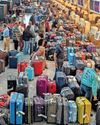
Trouble on the tarmac
It is not IndiGo but Indian aviation that has become too big to fail
4 mins
December 21, 2025

THE WEEK India
SHUX AND BLUE MARBLE
THE 18 DAYS IN SPACE MIGHT HAVE MADE HIM A HOUSEHOLD NAME, BUT GROUP CAPTAIN SHUBHANSHU SHUKLA IS AS GROUNDED AS EVER. AND BEFORE HE SUITS UP FOR HIS NEXT MISSION, THE WEEK'S MAN OF THE YEAR SHARES STORIES FROM HIS LIFE AND SPACE, INCLUDING HOW HE BECAME A 'WATER BENDER'
9 mins
December 21, 2025
THE WEEK India
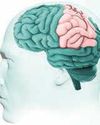
The parietal lobe
If the frontal lobe is where we decide what to do, the parietal lobe is where we understand where we are. It is the brain's internal GPS, the quiet navigator that lets you put your hand exactly where your teacup is, find the edge of a staircase without staring at it, or scratch the correct side of your head when it itches. When it works well, we move through life gracefully. When it falters, life becomes slapstick comedy.
2 mins
December 21, 2025

THE WEEK India
Area of the globe? Pie is cubed
Floating in his private pool, China's helmsman Mao Zedong shared his strategic vision with visiting Soviet strongman Nikita Khrushchev in 1958: \"You look after Europe, and leave Asia to us.\" Obviously, he expected the US to withdraw into its prewar Monroe world of the Americas, thus making the world tripolar.
2 mins
December 21, 2025
Listen
Translate
Change font size