
Magzter GOLDで無制限に
10,000以上の雑誌、新聞、プレミアム記事に無制限にアクセスできます。
試す 金 - 無料
Breaking the ice
New Zealand Listener
|January 20 - 26 2024
Scientists have spent the summer drilling into the Antarctic seafloor to learn from the past what we can expect from future sea level rise.

Looking out from the lounge window at Scott Base, you can trace a line where Antarctica's largest ice shelf meets the frozen ocean. Solid waves rise at this juncture between sea ice and the much thicker Ross Ice Shelf, which carries a large part of the outflow from the West Antarctic Ice Sheet (WAIS) hundreds of kilometres out to sea. Where these ice masses come up against the beach outside Scott Base, they buckle into towering, jagged pressure ridges.
But some 1200km south from Scott Base, at the continental edge of the WAIS where it lifts off the ground to become the floating Ross Ice Shelf, the view is very different. In every direction, it expands endlessly across the flat, smooth, snow-covered ice. Sometimes, when clouds descend low, the horizon line between the greys of the ice and the sky becomes barely distinguishable.
This is where one of the most ambitious Antarctic research projects has set up camp for its first season this summer. SWAIS2C - short for Sensitivity of the West Antarctic Ice Sheet to 2°C-is an international collaboration aiming to decipher how the WAIS reacted to warming in the past, including during the last interglacial period some 125,000 years ago when Earth was about 1.5°C warmer than pre-industrial temperatures - similar to the target set in the Paris Agreement.
"Glaciologists have been suggesting for a long time that we're going to lose the ice sheet if we exceed 1 or 1.5 degrees," says Richard Levy, a geologist at GNS Science and Victoria University of Wellington/ Te Herenga Waka and a co-leader of the SWAIS2C project.

このストーリーは、New Zealand Listener の January 20 - 26 2024 版からのものです。
Magzter GOLD を購読すると、厳選された何千ものプレミアム記事や、10,000 以上の雑誌や新聞にアクセスできます。
すでに購読者ですか? サインイン
New Zealand Listener からのその他のストーリー

New Zealand Listener
Down to earth diva
One of the great singers of our time, Joyce DiDonato is set to make her New Zealand debut with Berlioz.

8 mins
29 November-December 5 2025

New Zealand Listener
Tamahori in his own words
Opening credits
5 mins
29 November-December 5 2025

New Zealand Listener
Thought bubbles
Why do chewing gum and doodling help us concentrate?
3 mins
29 November-December 5 2025

New Zealand Listener
The Don
Sir Donald McIntyre, 1934-2025
2 mins
29 November-December 5 2025
New Zealand Listener
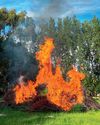
I'm a firestarter
Late spring is bonfire season out here in the sticks. It is the time of year when we rural types - even we half-baked, lily-livered ones who have washed up from the city - set fire to enormous piles of dead wood, felled trees and sundry vegetation that have been building up since last summer, or perhaps even the summer before.
2 mins
29 November-December 5 2025

New Zealand Listener
Salary sticks
Most discussions around pay equity involve raising women's wages to the equivalent of men's. But there is an alternative.
3 mins
29 November-December 5 2025

New Zealand Listener
THE NOSE KNOWS
A New Zealand innovation is clearing the air for hayfever sufferers and revolutionising the $30 billion global nasal decongestant market.
2 mins
29 November-December 5 2025

New Zealand Listener
View from the hilltop
A classy Hawke's Bay syrah hits all the right notes to command a high price.
2 mins
29 November-December 5 2025

New Zealand Listener
Speak easy
Much is still unknown about the causes of stuttering but researchers are making progress on its genetic origins.
3 mins
29 November-December 5 2025
New Zealand Listener
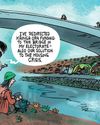
Recycling the family silver?
As election year looms, National is looking for ways to pay for its inevitable promises.
4 mins
29 November-December 5 2025
Translate
Change font size