試す 金 - 無料
Welcome to the Trading Range
Kiplinger's Personal Finance
|August 2025
I'LL reiterate my support this month for high-yield bonds and preferred stocks, and I advise readers to make peace with prices that in 2025 swing within a wider-than-usual range. What matters is that these outfits still pay promptly and in full. Buy-and-holders can go fishing, golfing or to the ballpark. And if you want to add to positions on dips, that works, too.

I mention this because reader Tom from Michigan tells me that after he built up his collection of preferred shares from quality issuers such as big banks and AT&T, he was startled to endure days when the prices would drop by a percentage point or a point and a half. Given all the fast-and-furious plunges in everything from crude oil to Treasury bonds, I am not surprised.
But, more to the point, neither am I concerned. The creditworthiness of high-coupon IOUs is by no stretch imperiled because a political kerfuffle costs the Dow Jones industrial average 1000 points after lunch. I still say thumbs-down to long-term Treasuries, but the rest of the debt and credit universe is in a holding pattern, which is tolerable. Until and unless inflation goes wild or defaults and delinquencies trend toward recession levels, there should be buyer support for sound stuff that offers 6% or 7%.
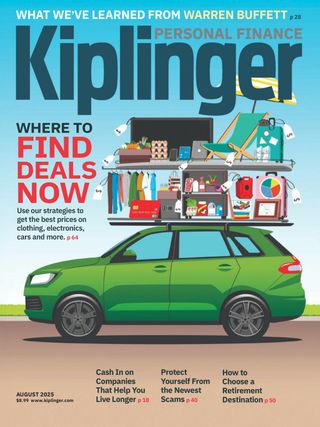

このストーリーは、Kiplinger's Personal Finance の August 2025 版からのものです。
Magzter GOLD を購読すると、厳選された何千ものプレミアム記事や、10,000 以上の雑誌や新聞にアクセスできます。
すでに購読者ですか? サインイン
Kiplinger's Personal Finance からのその他のストーリー

Kiplinger's Personal Finance
THE ABCS OF STOCK BUYBACKS
Companies are repurchasing their shares to the tune of $1 trillion. Here's what you should know about this spending spree.

4 mins
April 2026

Kiplinger's Personal Finance
TAX BREAKS FOR ITEMIZERS
The editor of The Kiplinger Tax Letter responds to readers asking about a variety of itemized deductions.
2 mins
April 2026

Kiplinger's Personal Finance
If you could give a younger version of yourself one piece of financial advice, what would it be?
Don't be afraid to pursue your dreams.
2 mins
April 2026

Kiplinger's Personal Finance
THE BEST REWARDS CREDIT CARDS
Whether you crave plentiful travel perks, basic cash back, or a high rebate on groceries and gas, you'll find a card here that suits your tastes.
14 mins
April 2026

Kiplinger's Personal Finance
Don't Sweat the Small Stuff
I have to confess that one of my small pleasures in retirement is treating myself to lunch while I’m out running errands or doing my afternoon activities.
2 mins
April 2026

Kiplinger's Personal Finance
WHAT TO KNOW ABOUT DYNAMIC PRICING
From airlines to food-delivery platforms, many businesses use high-tech strategies to adjust their prices online.
5 mins
April 2026

Kiplinger's Personal Finance
THE BEST MONEY ADVICE OF ALL TIME
Investing greats, renowned economists, top advisers and other experts share their favorite financial words of wisdom, both given and received.
21 mins
April 2026

Kiplinger's Personal Finance
PERFECT TIMING: WHEN TO CLAIM SOCIAL SECURITY
Fears about the financial health of the system have sparked a surge in early filings, but that can be a costly move.
8 mins
April 2026

Kiplinger's Personal Finance
Choose a Family Phone Plan
Use our guide to find a plan that meets each person's needs at the right price.
5 mins
April 2026
Kiplinger's Personal Finance
Managing Multiple Checking Accounts
FOR many, a single checking account is sufficient to store cash for near-term expenses.
1 mins
April 2026
Listen
Translate
Change font size