
Magzter GOLDで無制限に
10,000以上の雑誌、新聞、プレミアム記事に無制限にアクセスできます。
Iowa's Hidden Treasures
Rock&Gem Magazine
|Rockhound Roadtrip 2024
Exploring Keokuk Geodes: How They're Made & What's Inside

What is a geode? Simply put, it's a rock with a hollow inside that's often lined with crystals, mineral deposits or both.
WHAT IS A KEOKUK GEODE?
While most are familiar with geodes, they may not be familiar with the term, Keokuk geode.
"Although geodes of different kinds are found all over the world, the greatest abundance and variety are found in the outcropping of the Mississippian lower Keokuk bed within a 70-mile radius of the intersection of the Mississippi and Des Moines Rivers," according to the Keokuk area Convention and Tourism Bureau. "The large number of mineral inclusions and the exquisite crystal groups that they form have made Keokuk geodes the most beautiful and the most sought after of all geodes by museums and collectors the world over."
The Bureau says that Keokuk geodes are most commonly about three to four inches across and most are found in the tristate border area of Iowa, Illinois and Missouri in all directions from Keokuk, Iowa which is considered the "Geode Capital of the World."
Keokuk geodes are mostly collected in the strata of the lower Warsaw Formation and in the creeks and rivers that erode material from this formation. The lower Warsaw Formation is roughly 340 million years old and contains shales, limestones and dolomites.
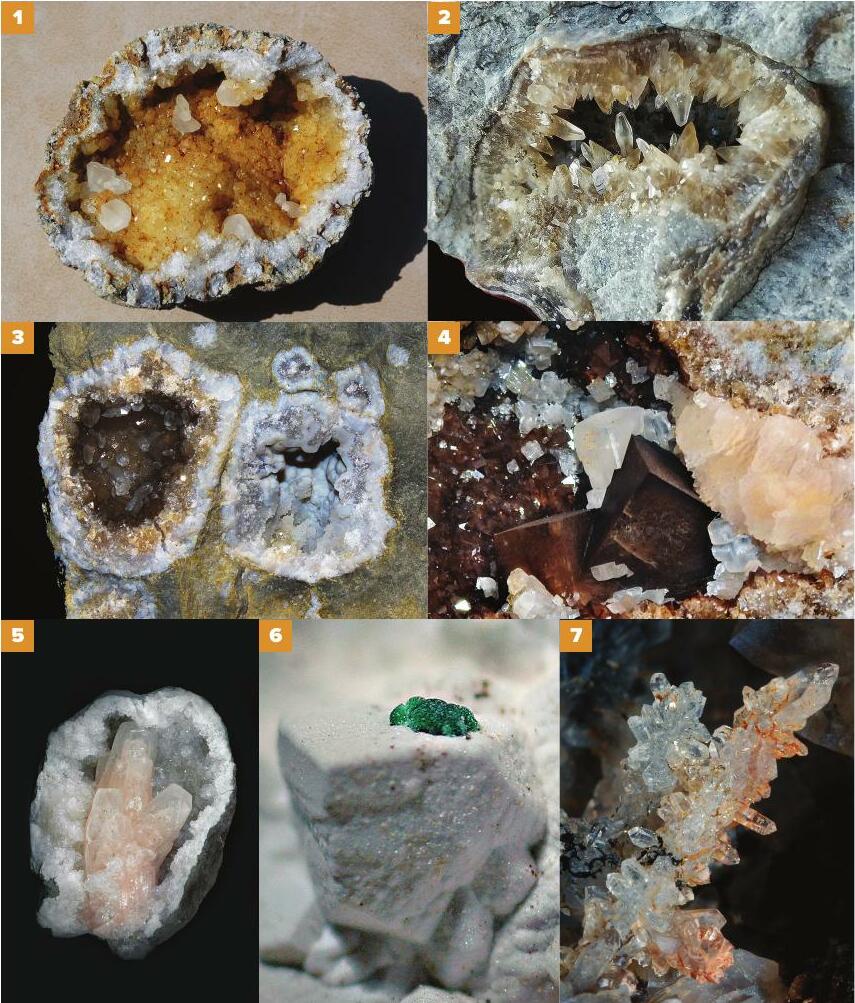 HOW WERE KEOKUK GEODES FORMED?
 The question of how Keokuk geodes were formed has haunted geologists and may still not be completely answered. Two ideas lead the way.
One is that they formed because of the transformation of anhydrite nodules abundant on the ancient shallow sea floor. The second is that the remains of dead ancient ocean invertebrates provided the hollow site necessary for geode formation.
WHERE & HOW TO COLLECT

このストーリーは、Rock&Gem Magazine の Rockhound Roadtrip 2024 版からのものです。
Magzter GOLD を購読すると、厳選された何千ものプレミアム記事や、10,000 以上の雑誌や新聞にアクセスできます。
すでに購読者ですか? サインイン
Rock&Gem Magazine からのその他のストーリー
Rock&Gem Magazine
A New Amber Locality Fills a Gap
A sandstone quarry in central Ecuador has yielded the first significant deposit of Mesozoic amber from South America.

1 min
January / February 2026
Rock&Gem Magazine
Did "Left-Handed" Fish Leave Water Earlier than Thought?
Fossil evidence suggests that fish (or \"fishapods\") dragged themselves onto land during the middle Devonian Period.
1 min
January / February 2026

Rock&Gem Magazine
"Lab Quakes” Produce Surprising Results
When faults let loose and earthquakes result, the main effect we mortals experience is the violent shaking.
1 min
January / February 2026
Rock&Gem Magazine
This Egg is No Spring Chicken
How to date a dino egg
1 min
January / February 2026
Rock&Gem Magazine
Have we Already Mined the Critical Minerals We Need
Then why are we throwing them away?!
1 min
January / February 2026
Rock&Gem Magazine
One Toxic Worm
A critter that creates & tolerates orpiment!
1 min
January / February 2026
Rock&Gem Magazine
ROCK & GEM FIELD GUIDE: Silver
Silver (Ag) is a native element and one of Earth's most prized precious metals.
2 mins
January / February 2026
Rock&Gem Magazine
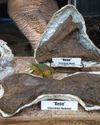
DINOSAURS OF THE HELL CREEK MUSEUM
In the Badlands of South Dakota, just outside the small town of Belle Fourche—pronounced “Bell Foosh”—a new attraction has taken shape that every dinosaur enthusiast should see. The Dinosaurs of the Hell Creek Museum is part hands-on exhibit, part science center and part active research lab.
3 mins
January / February 2026
Rock&Gem Magazine
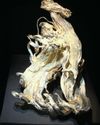
The Lost Twins of Kongsberg
A Silver Story Resurfaced
3 mins
January / February 2026
Rock&Gem Magazine
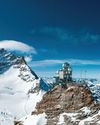
Switzerland's ICE PALACE
Walk Inside a Glacier at The Top of Europe
7 mins
January / February 2026
Listen
Translate
Change font size