試す 金 - 無料
MUSTANGS OVER IWO
Flight Journal
|January - February 2026
Inside the 506th Fighter Group's long-range missions
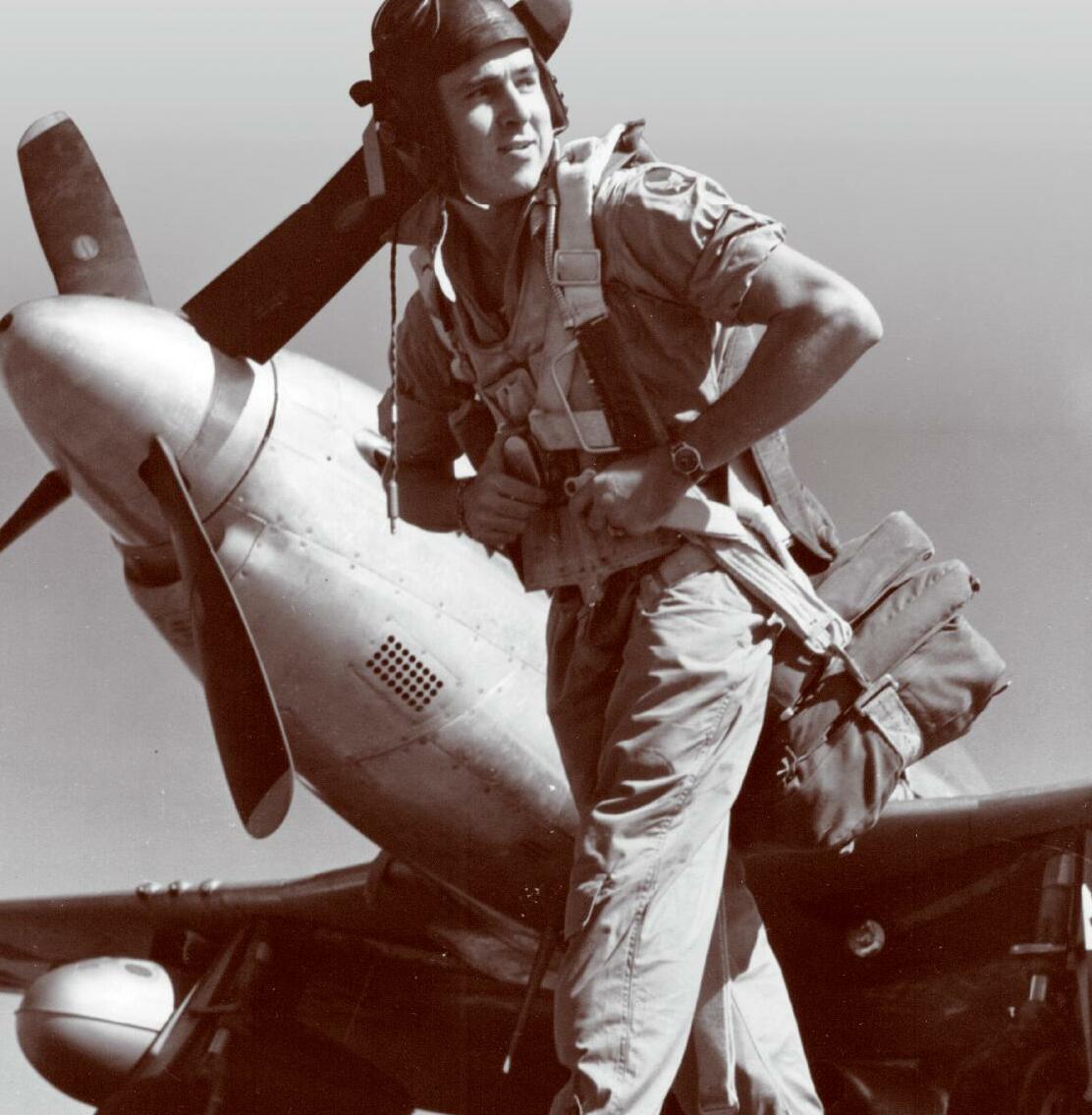
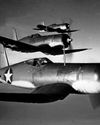
"Life" photographer Loomis Dean captures Bill unfastening his parachute harness after a flight from Iwo Jima, July, 1945. (Photo courtesy National Archives)
STRAPPING INTO THE YELLOW-TAILED P-51D MUSTANG on December 4, 1945, 1st Lt. William G. Ebersole was about to permanently leave Iwo Jima. One of the few missions left was ferrying aircraft to various locations, and Ebersole was leading a flight of four P-51Ds from Iwo Jima to Isley Field on Saipan. World War II had been over for several months, but the island—and the Pacific Theater—was still abuzz with U.S. armed forces. Aircraft continued to roam the skies, but instead of searching for and destroying the enemy, pilots were mainly accumulating monthly flight hours or ferrying aircraft as Ebersole was doing. But this flight was different for Ebersole. After he landed, he would board a ship and head back to the United States, his war finally over.
Joining the 506th FG
When the Japanese bombed Pearl Harbor, Bill Ebersole was only 17 years old and a senior in high school. Born on September 30, 1924, in Arcadia, Florida, he was set to attend the University of Florida in Gainesville in the fall of 1942. With the war raging, he began to worry about being drafted into the Army, so he decided to take matters into his own hands and joined the U.S. Army Air Corps as a reservist. After many months of training, his orders finally came, and at 20 years of age Ebersole was headed to Drane Field in Lakeland, Florida, to fill vacancies in the newly formed 506th Fighter Group.
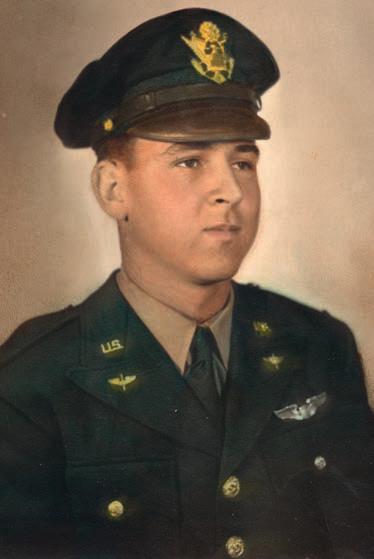 LEFT: A studio color period photo of Ebersole in his dress uniform after receiving his wings.

このストーリーは、Flight Journal の January - February 2026 版からのものです。
Magzter GOLD を購読すると、厳選された何千ものプレミアム記事や、10,000 以上の雑誌や新聞にアクセスできます。
すでに購読者ですか? サインイン
Flight Journal からのその他のストーリー
Flight Journal
DESPERATE MEASURES
Volksjäger, the Luftwaffe's last hope

10 mins
January - February 2026
Flight Journal
THE Fairey Swordfish
Antiquated, yet devastatingly effective
14 mins
January - February 2026
Flight Journal
Tuskegee RED TAILS
The men, the machines, the missions
11 mins
January - February 2026
Flight Journal
THE HIGH-VELOCITY RAPTOR
The F-22A thrust vectoring system is the “bread and butter” of the Raptor's incredible maneuvering capability.
14 mins
January - February 2026
Flight Journal
Mitchells over the Mediterranean
Wavetop warfare: skip-bombing and big guns
13 mins
January - February 2026
Flight Journal
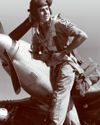
MUSTANGS OVER IWO
Inside the 506th Fighter Group's long-range missions
10 mins
January - February 2026
Flight Journal
ELLIPTICAL ELEGANCE
Flying and evaluating the Seafire Mark III
4 mins
November - December 2025
Flight Journal
IRON DOG
Fighting the Pacific and the P-39 at the same time
14 mins
November - December 2025
Flight Journal
Fighter Pilots: A Warrior Clan
TAKE A HARD LOOK at the two young men in these photos. Do they look as if they were bent on killing one another? On the left we have a young, unknown enlisted Japanese pilot standing in front of a Nakajima Ki-27 \"Nate,\" one of Japan's earliest monoplanes that led to the much vaunted Zero.
3 mins
November - December 2025
Flight Journal
KEN WALSH THE FIRST CORSAIR ACE
Medal of Honor pilot's combat adventures
12 mins
November - December 2025
Listen
Translate
Change font size