
Magzter GOLDで無制限に
10,000以上の雑誌、新聞、プレミアム記事に無制限にアクセスできます。
試す 金 - 無料
"THE PLAGUE SAT LIKE A KING ON THE THRONE"
History Extra
|June 2026
The Black Death is infamous for ravaging the population of Europe - yet it was most lethal in the Muslim world, leaving such a trail of devastation that bodies were left rotting in the streets. Thomas Asbridge investigates why plague took such a heavy toll in the Near East
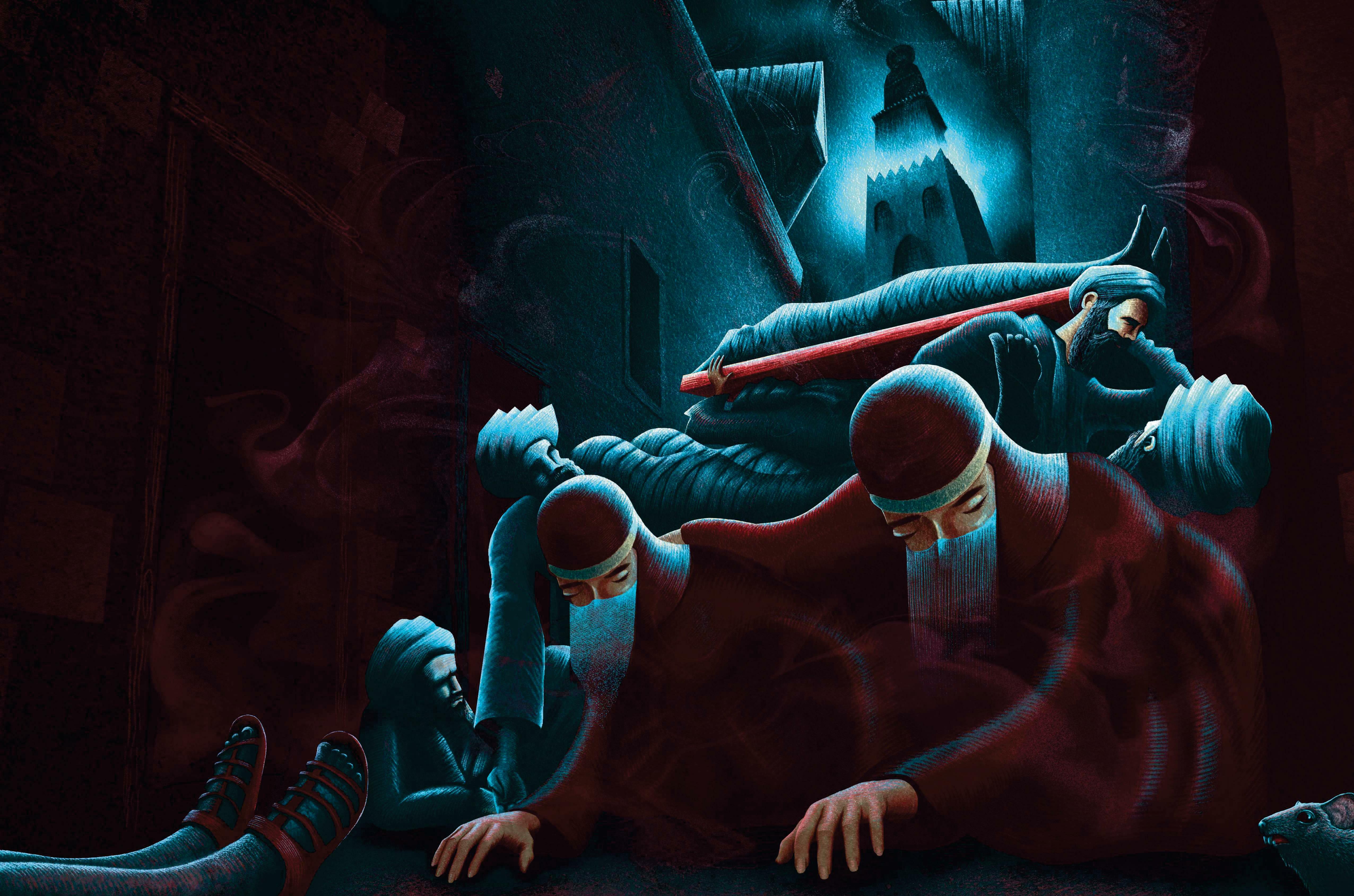
On an autumn day in 1347, a ship docked in the ancient Egyptian harbour of Alexandria, gateway to the remarkable Islamic realm that today we know as the Mamluk Sultanate. It had set sail, probably from the Black Sea, carrying 32 merchants, a large crew and hundreds of slaves destined for sale in Egypt. But at some point during that voyage, a strange and merciless disease swept through the vessel. Some on board were tortured by grotesque swellings and tumours, while others coughed up torrents of blood. By the time the ship made landfall, only four merchants, one slave and perhaps 30 sailors remained alive - and they all died in the port within a matter of days.
The ship's arrival in Alexandria marked the outbreak there of the lethal plague now known to history as the Black Death. We tend to think of this 14th-century pandemic as a European phenomenon, but the disease also spread far beyond the boundaries of Catholic Christendom, travelling along the well-established Mediterranean trade routes that linked east and west.
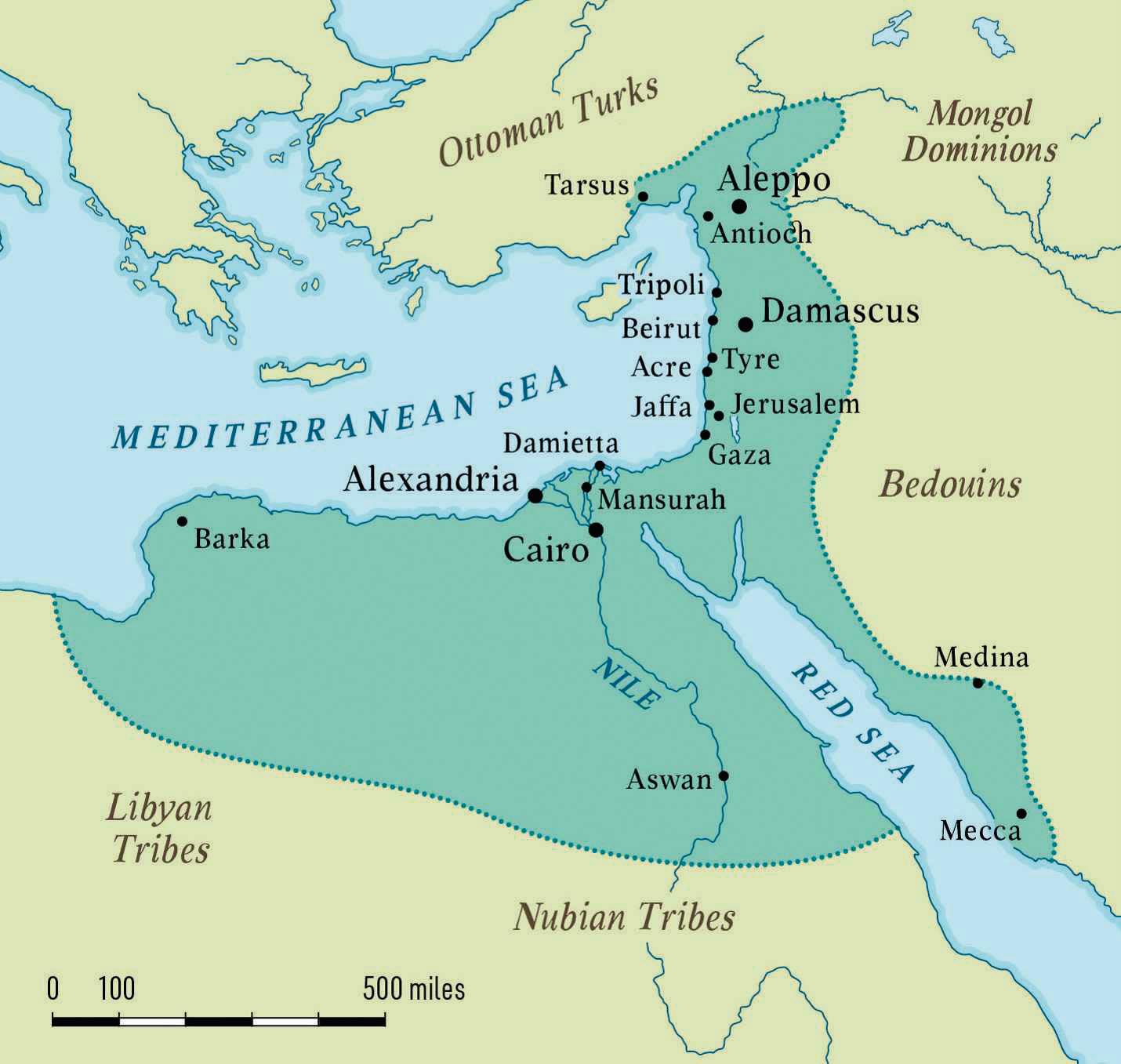 Indeed, the Black Death arrived in Egypt at about the same time it landed in Sicily, and was arguably at its most destructive in the Muslim world of north Africa and the Near and Middle East. Here, the seemingly invincible Mamluk Sultanate - the force that had turned back the Mongol horde and crushed the crusaders was crippled by plague and eventually overrun by the Ottomans.
Punishment or reward

このストーリーは、History Extra の June 2026 版からのものです。
Magzter GOLD を購読すると、厳選された何千ものプレミアム記事や、10,000 以上の雑誌や新聞にアクセスできます。
すでに購読者ですか? サインイン
History Extra からのその他のストーリー

History Extra
Personal stories
Few shows have enjoyed the longevity of Who Do You Think You Are? and it's easy to understand why it has endured.

1 min
June 2026

History Extra
Tidal change
Southern mythos notwithstanding, there exists no static, exceptional American South.
1 mins
June 2026

History Extra
Marriage story
Emily Howes on her novel about Catherine Dickens' relationship with her famous husband
1 mins
June 2026
History Extra
Sexual her-story
A witty, wide-ranging account of the myths and power structures behind female sexuality impresses SARAH JONES
2 mins
June 2026

History Extra
History man
According to Tom Hanks, during his childhood 'The War' was a recurring topic in the conversations of the adults around him.
1 min
June 2026
History Extra
How to be a master of disguise
10 do's and don'ts when attending a masquerade
2 mins
June 2026

History Extra
Age of indulgence
Our content producer Charlotte Vosper picks episodes of the HistoryExtra podcast about Georgian Britain
1 min
June 2026

History Extra
Gaffer tape
While Bobby Robson and Gareth Southgate both led England to World Cup semi-finals, Alf Ramsey remains the only manager to actually win the trophy.
1 mins
June 2026

History Extra
What's the origin of the Fosbury Flop?
Like the Salchow in ice skating, the Fosbury Flop is a sport technique that immortalises the name of its creator.
1 min
June 2026

History Extra
EXHIBITIONS
In 1776, the United States of America was born - heralded by the Declaration of Independence.
1 min
June 2026
Listen
Translate
Change font size