
Magzter GOLDで無制限に
10,000以上の雑誌、新聞、プレミアム記事に無制限にアクセスできます。
試す 金 - 無料
Steam Powered War Heroes
Best of British
|August 2025
Tessa Glover delves into her great-grandfather's memoirs to tell the story of the ocean liners that helped shorten World War Two by a year
-
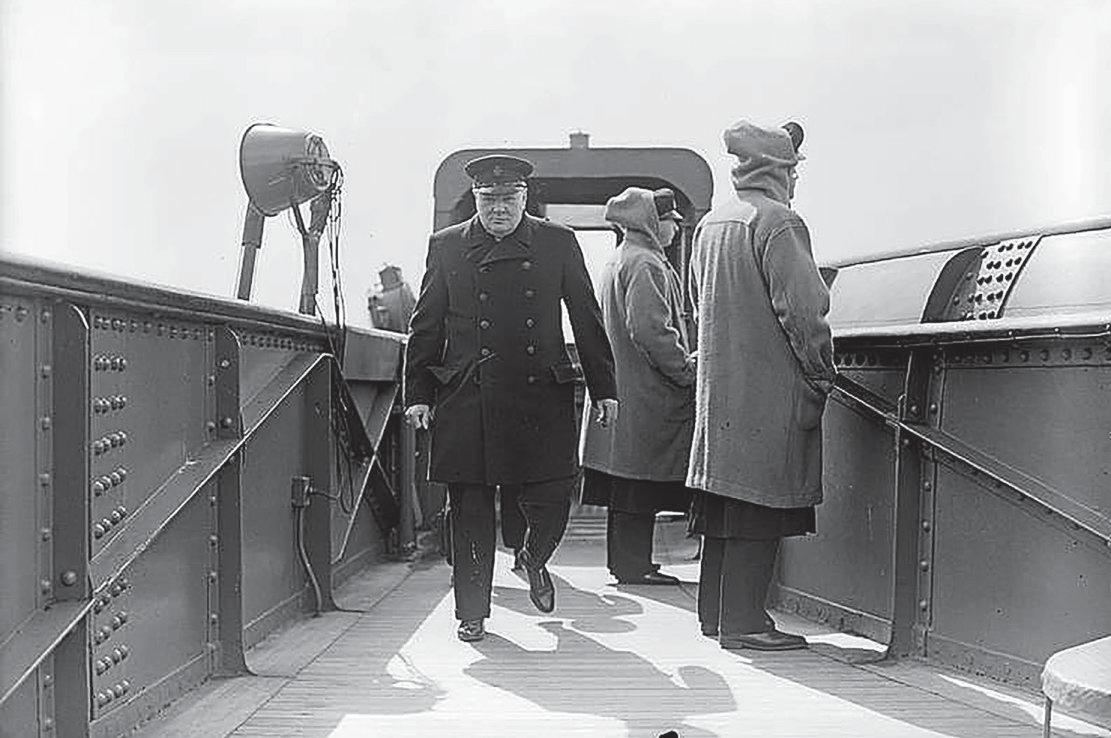
Today, the ocean liner is often considered a glamorous yet thoroughly outdated form of transport. While ships such as the RMS Titanic and the RMS Lusitania remain household names, their lesser-known contemporaries have slipped almost entirely out of public memory. The history of these once state-of-the-art steel giants is fading quickly as they glide further into the past. Yet Cunard historian Michael Gallagher once said: "Winston Churchill credited Aquitania, with Queen Mary and Queen Elizabeth, for shortening World War Two in Europe by a year." A year. Thousands - potentially hundreds of thousands of lives saved. But how?
My great-grandfather Maurice Hobday served as a gunnery officer aboard RMS Aquitania. As I read his memoirs and delve into the pasts of two of these ships - the RMS Aquitania and RMS Queen Mary - I hope to uncover how passenger liners were converted into warships during the deadliest conflict the world has ever seen, as well as the varied experiences of those aboard.
The RMS Aquitania, launched in 1914, had already had a long and sparkling career by the time World War Two broke out. After 25 years of wartime and passenger service, the Aquitania was ready for retirement when called for duty on 21 November 1939. The vessel had already served as a hospital ship in World War One a war that saw the sinking of its older sister the RMS Lusitania. Now, decades old and needing several repairs, the Aquitania was a little more unsteady on her feet.

このストーリーは、Best of British の August 2025 版からのものです。
Magzter GOLD を購読すると、厳選された何千ものプレミアム記事や、10,000 以上の雑誌や新聞にアクセスできます。
すでに購読者ですか? サインイン
Best of British からのその他のストーリー
Best of British
The Medway Queen Club
Richard Halton recalls a little ship of Dunkirk's time as a nightclub

6 mins
May 2026

Best of British
Red Giant
Chris Hallam pays tribute to a co-creator of Red Dwarf
5 mins
May 2026
Best of British
Freddie in the Overworld
Philip and David Williams investigate Freddie Garrity's life beyond the Dreamers
5 mins
May 2026
Best of British
Looking Back (in Anger)
Colin Mayo celebrates the 70th anniversary of John Osborne's groundbreaking play
5 mins
May 2026

Best of British
BACK INSIDE THE TARDIS
Oliver Crocker travels back in time to explore the 1996 Doctor Who TV movie
12 mins
May 2026
Best of British
Spymaster
Chris Hallam pays tribute to spy writer and cookery expert Len Deighton
5 mins
May 2026

Best of British
BACK IN TIME WITH COLIN BAKER
BoB's very own Time Lord recalls corpsing in front of an audience of one, and how his return to Doctor Who on TV was a heartening experience
2 mins
May 2026

Best of British
RAINING CHAMPIONS
The nearest I get to watching the Eurovision Song Contest these days is pointing the remote control at the screen to change channels the moment I hear the opening notes of Te Deum.
1 mins
May 2026
Best of British
Better Than the Captain's Table
Simon Stabler visits a pair of Brighton dining favourites
2 mins
May 2026
Best of British
The Great Exhibition
Michael Montagu celebrates the beginning of the Crystal Palace and draws on his family's accounts of its destruction
9 mins
May 2026
Listen
Translate
Change font size