
Magzter GOLDで無制限に
10,000以上の雑誌、新聞、プレミアム記事に無制限にアクセスできます。
試す 金 - 無料
Smith's Lesser Spotted Stories
Best of British
|November 2025
Dee Gordon highlights the work of Dodie Smith, one of our most successful novelists and playwrights

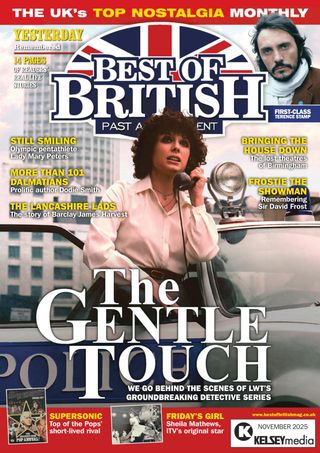
Dodie Smith was a Lancashire lass, born in 1896, and is mainly known for her two most famous novels - I Capture the Castle, and, of course, The Hundred and One Dalmatians. But there was a lot more to her than that.
After moving to London in 1910, when her mother remarried, Dodie auditioned for Rada, aiming to become an actress. However, she got sacked from her first job in a musical comedy, which paid £2 per week, and struggled to make a living with end-of-pier farces and army concert parties while living in a girls' hostel in London.
Rather than continue playing parlour maids, and to improve her finances, Dodie switched to running the art gallery at Heal's, the furniture shop, and found she enjoyed selling and travelling to buy goods for the store.
But she also tried her hand at writing a play, called Autumn Crocus, which she sold to director Basil Dean, someone she had met when he was an actor. Her fee was £100, and the play's success inspired such headlines as "Shopwoman Dramatist ... Hit of the Season" in the London Daily News. It ran for a year in the West End, making her rich pretty much overnight, and was later filmed, inspiring her to write a succession of light comedies with Dear Octopus (1938), starring John Gielgud, being her biggest triumph. This ran for two years and secured its place in repertory for the next 60 years.
At the height of her fame, just before leaving Heal's in 1933, Dodie bought a flat in Dorset Square and, two years later, a large, thatched cottage in rural Finchingfield, Essex for £435.

このストーリーは、Best of British の November 2025 版からのものです。
Magzter GOLD を購読すると、厳選された何千ものプレミアム記事や、10,000 以上の雑誌や新聞にアクセスできます。
すでに購読者ですか? サインイン
Best of British からのその他のストーリー
Best of British
The Medway Queen Club
Richard Halton recalls a little ship of Dunkirk's time as a nightclub

6 mins
May 2026

Best of British
Red Giant
Chris Hallam pays tribute to a co-creator of Red Dwarf
5 mins
May 2026
Best of British
Freddie in the Overworld
Philip and David Williams investigate Freddie Garrity's life beyond the Dreamers
5 mins
May 2026
Best of British
Looking Back (in Anger)
Colin Mayo celebrates the 70th anniversary of John Osborne's groundbreaking play
5 mins
May 2026

Best of British
BACK INSIDE THE TARDIS
Oliver Crocker travels back in time to explore the 1996 Doctor Who TV movie
12 mins
May 2026
Best of British
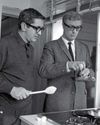
Spymaster
Chris Hallam pays tribute to spy writer and cookery expert Len Deighton
5 mins
May 2026
Best of British
BACK IN TIME WITH COLIN BAKER
BoB's very own Time Lord recalls corpsing in front of an audience of one, and how his return to Doctor Who on TV was a heartening experience
2 mins
May 2026

Best of British
RAINING CHAMPIONS
The nearest I get to watching the Eurovision Song Contest these days is pointing the remote control at the screen to change channels the moment I hear the opening notes of Te Deum.
1 mins
May 2026
Best of British
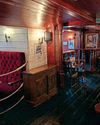
Better Than the Captain's Table
Simon Stabler visits a pair of Brighton dining favourites
2 mins
May 2026
Best of British
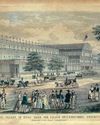
The Great Exhibition
Michael Montagu celebrates the beginning of the Crystal Palace and draws on his family's accounts of its destruction
9 mins
May 2026
Listen
Translate
Change font size