試す 金 - 無料
The Assyrian Renaissance
Archaeology
|July/August 2024
Archaeologists return to Nineveh in northern Iraq, one of the ancient world's grandest imperial capitals

ARCHAEOLOGISTS DIDN'T KNOW what to expect when they began searching for a 2,700-yearold Assyrian sculpture that had last been seen decades before. First documented in the nineteenth century and excavated in the early 1990s, the massive statue was subsequently reburied to protect it from turmoil in northern Iraq that threatened the site. By 2023, the political situation in the region had stabilized, allowing archaeologists to return. As an Iraqi-French team removed 30 feet of debris, the figure's fine details gradually reemerged. There were rows of delicately overlapping feathers, the hanging curls of a man's beard, and the cloven hooves of a bull, all skillfully carved from shining white alabaster. The sculpture, which stood 12.5 feet tall and weighed nearly 20 tons, represented a lamassu, an Assyrian deity with a human head and a winged bull's body. Given the intense events that had occurred around the site, it was a marvel that the sculpture remained in such good condition. "The lamassu had vanished between anti-tank trenches and bunkers," says Paris 1 Panthéon-Sorbonne University archaeologist Pascal Butterlin. "Considering this situation, with traces of heavy bombing and fights all around, it's a miracle that it wasn't further damaged." Only the statue's head was missing, but Iraqi officials knew it had been surreptitiously looted in 1995 and broken into parts to be smuggled out of the country. The pieces of the lamassu's head were successfully retrieved and are currently exhibited in the Iraq Museum in Baghdad.
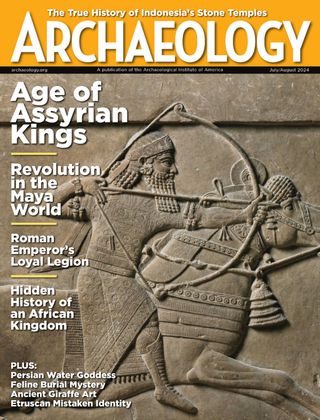

このストーリーは、Archaeology の July/August 2024 版からのものです。
Magzter GOLD を購読すると、厳選された何千ものプレミアム記事や、10,000 以上の雑誌や新聞にアクセスできます。
すでに購読者ですか? サインイン
Archaeology からのその他のストーリー
Archaeology
THE EGYPTIAN SEQUENCE
Until now, the earliest Egyptians to have even part of their DNA sequenced were three people who lived between 787 and 544 B.C.

1 mins
November/December 2025
Archaeology
SOURCE MATERIAL
As early as 40,000 years ago, some hunter-gatherers in southern Africa ventured long distances to procure special types of stone to make their tools.
1 min
November/December 2025

Archaeology
Secrets of the Seven Wonders
How archaeologists are rediscovering the ancient world's most marvelous monuments
13 mins
November/December 2025
Archaeology
ACTS OF FAITH
Evidence emerges of the day in 1562 when an infamous Spanish cleric tried to destroy Maya religion
12 mins
November/December 2025

Archaeology
OASIS MAKERS OF ARABIA
Researchers are just beginning to understand how people thrived in the desert of Oman some 5,000 years ago
8 mins
November/December 2025
Archaeology
FOSSIL FORCE
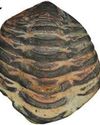
One of the planet's most successful arthropods, trilobites, abounded in the oceans from about 520 million to 250 million years ago.
1 min
November/December 2025
Archaeology
BIGHORN MEDICINE WHEEL, WYOMING
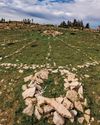
Perched almost 9,700 feet above sea level on Medicine Mountain in Wyoming's Bighorn Range, the Medicine Wheel is an 80-foot-diameter circular structure made from limestone boulders.
2 mins
November/December 2025
Archaeology
ANCIENT LOOK BOOK
A young woman buried in China's Tarim Basin some 2,000 years ago went to the afterlife accompanied by the height of fashion.
1 mins
November/December 2025
Archaeology
A FAMILIAR FACE
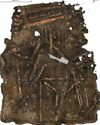
In the early eleventh century, a landslide on the island of Ostrów Lednicki in western Poland caused a hillfort to collapse and slip to the bottom of Lake Lednica.
1 min
November/December 2025
Archaeology
Temples to Tradition
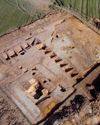
A looted cache of bronzes compels archaeologists to explore Celtic sanctuaries across Burgundy
13 mins
November/December 2025
Listen
Translate
Change font size