試す 金 - 無料
Rituals of the Cattle Raiders
Archaeology
|May/June 2023
Rock art in the mountains of South Africa tells the story of how the Khoe and San peoples resisted enslavement

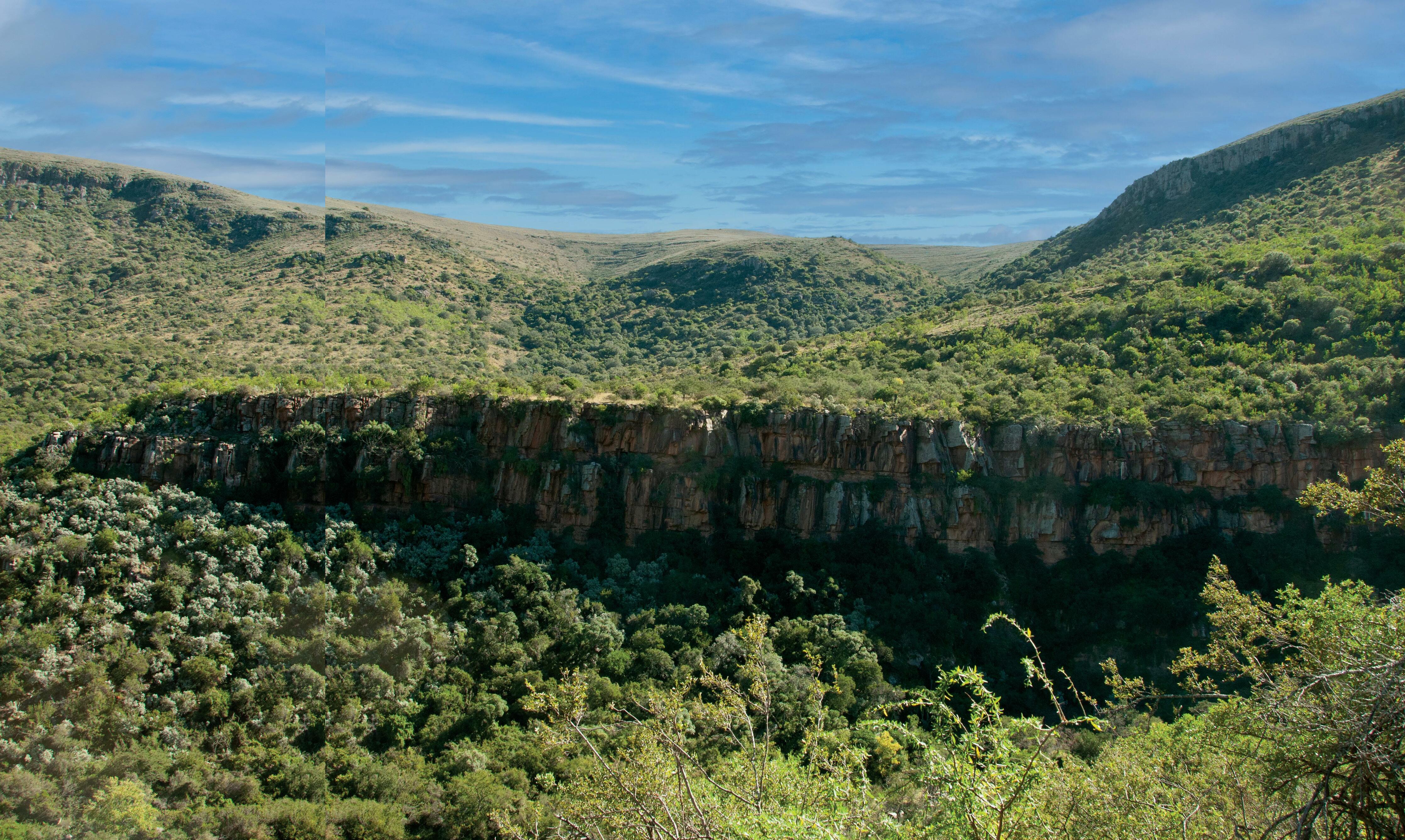
THE KHOE AND SAN PEOPLES have created rock art in southern Africa for millennia. On the walls of rock shelters throughout the region, artists painted finely rendered depictions of dancers and hunters, as well as animals such as the eland, the world's largest antelope. For well over a century, scholars have studied what these rock canvases reveal about ancient Khoe-San beliefs and traditions. But in the rugged mountains of South Africa's Eastern Cape Province there are other, more recent works that offer a glimpse of the violent world the Khoe-San endured after Europeans began to settle the region in the late eighteenth century. The Khoe-San living in the Winterberg Mountains reacted to attempts by colonizers to seize their land and enslave their people by raiding European settlements, to devastating effect. Paintings made during this period depict Khoe-San cattle raiders on horseback, sometimes wielding guns and wearing wide-brimmed European-style hats as they drive herds to their hideouts. Contemporaneous panels nearby depict baboons and ostriches, animals revered by the Khoe-San for their ability to evade capture, as well as antelopes, which played an important ritual role. Only in the past decade have scholars begun to recognize what this rock art reveals about how Khoe-San raiders and their allies among formerly enslaved peoples originally from elsewhere resisted European colonization.


このストーリーは、Archaeology の May/June 2023 版からのものです。
Magzter GOLD を購読すると、厳選された何千ものプレミアム記事や、10,000 以上の雑誌や新聞にアクセスできます。
すでに購読者ですか? サインイン
Archaeology からのその他のストーリー
Archaeology
THE EGYPTIAN SEQUENCE
Until now, the earliest Egyptians to have even part of their DNA sequenced were three people who lived between 787 and 544 B.C.

1 mins
November/December 2025
Archaeology
SOURCE MATERIAL
As early as 40,000 years ago, some hunter-gatherers in southern Africa ventured long distances to procure special types of stone to make their tools.
1 min
November/December 2025

Archaeology
Secrets of the Seven Wonders
How archaeologists are rediscovering the ancient world's most marvelous monuments
13 mins
November/December 2025
Archaeology
ACTS OF FAITH
Evidence emerges of the day in 1562 when an infamous Spanish cleric tried to destroy Maya religion
12 mins
November/December 2025

Archaeology
OASIS MAKERS OF ARABIA
Researchers are just beginning to understand how people thrived in the desert of Oman some 5,000 years ago
8 mins
November/December 2025
Archaeology
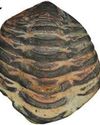
FOSSIL FORCE
One of the planet's most successful arthropods, trilobites, abounded in the oceans from about 520 million to 250 million years ago.
1 min
November/December 2025
Archaeology
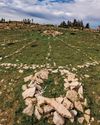
BIGHORN MEDICINE WHEEL, WYOMING
Perched almost 9,700 feet above sea level on Medicine Mountain in Wyoming's Bighorn Range, the Medicine Wheel is an 80-foot-diameter circular structure made from limestone boulders.
2 mins
November/December 2025
Archaeology
ANCIENT LOOK BOOK
A young woman buried in China's Tarim Basin some 2,000 years ago went to the afterlife accompanied by the height of fashion.
1 mins
November/December 2025
Archaeology
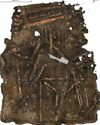
A FAMILIAR FACE
In the early eleventh century, a landslide on the island of Ostrów Lednicki in western Poland caused a hillfort to collapse and slip to the bottom of Lake Lednica.
1 min
November/December 2025
Archaeology
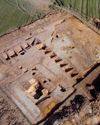
Temples to Tradition
A looted cache of bronzes compels archaeologists to explore Celtic sanctuaries across Burgundy
13 mins
November/December 2025
Translate
Change font size