
Magzter GOLDで無制限に
10,000以上の雑誌、新聞、プレミアム記事に無制限にアクセスできます。
試す 金 - 無料
The iPhone plateau
MacFormat UK
|January 2026
Discover what's in the big bump introduced at Apple's 'Awe Dropping' event
-
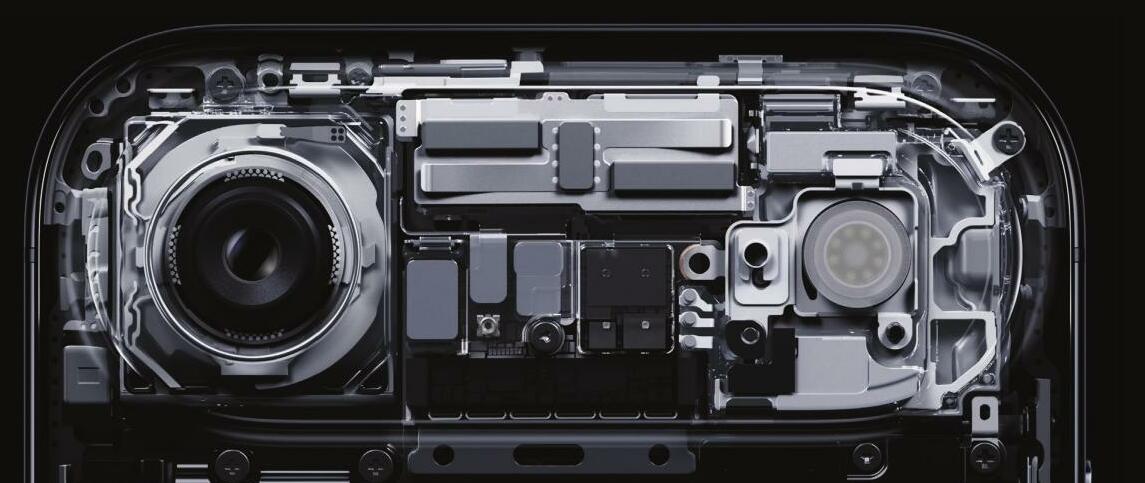
When Apple unveiled the iPhone Air, it proudly declared it the thinnest handset the company had ever built.
Measuring just 5.64mm, it shaved more than a millimetre off the iPhone 6's slim 6.9mm profile yet look at it from the side and you'll spot an anomaly. At the top of the iPhone Air is a so-called 'plateau' a posh-sounding name for what is essentially a bump. It's the thickest point of the device, boosting its thickness to 11.32mm, almost double that of the rest of the phone.
Although its presence means some may argue Apple hasn't quite achieved the thinnest iPhone, the plateau could actually point to the future of smartphone design. A plateau is also included on the back of the iPhone 17 Pro and the iPhone 17 Max, again making the handsets thicker at the top than at the bottom. But there are some clear advantages to this design approach, combining practical necessity with thoughtful engineering.
At first, it appeared that the plateau was merely added because there was no other way of slimming down the camera components to fit into such a thin space. After all, large image sensors and cutting-edge lenses require physical depth which is why iPhones have long had a camera bump. But the iPhone Air features a single 48MP Fusion camera with 2x optical-quality zoom rather than multiple lenses, so why is the bump so large - ie, a plateau on this particular model?


このストーリーは、MacFormat UK の January 2026 版からのものです。
Magzter GOLD を購読すると、厳選された何千ものプレミアム記事や、10,000 以上の雑誌や新聞にアクセスできます。
すでに購読者ですか? サインイン
MacFormat UK からのその他のストーリー
MacFormat UK
Affinity by Canva
A complete creative studio for zero cost

3 mins
February 2026
MacFormat UK
RSRs return from the dead
Apple announced Rapid Security Responses in June 2022, as a new means of applying urgent security patches in between macOS updates.
1 min
February 2026
MacFormat UK
Rediscover albums with Longplay
Fall in love with your albums all over again with this amazing music player
3 mins
February 2026
MacFormat UK
Set up multiple timers on iOS
Discover timers done right
2 mins
February 2026

MacFormat UK
Chants of Sennaar
Work your way beyond being lost in translation
2 mins
February 2026
MacFormat UK
Signature Slim Solar+ wireless keyboard K980
A comfortable, full-size keyboard that's always good to go
2 mins
February 2026
MacFormat UK
One more thing Apple Intelligence
Apple has promised a big AI update in 2026, and Graham Barlow feels nervous
2 mins
February 2026

MacFormat UK
Search any website - fast!
Find your favourite websites faster than ever
3 mins
February 2026

MacFormat UK
Make your ideal web browser
Make online life easy by making your web browser work your way
2 mins
February 2026

MacFormat UK
Best home printers & all-in-ones
We put six all-round home models through their printing paces
7 mins
February 2026
Listen
Translate
Change font size