試す 金 - 無料
AI & the Gender Gap
Forbes India
|November 14, 2025
With large-scale AI adoption across enterprises, entry- and mid-level women in tech face a new challenge that companies need to address
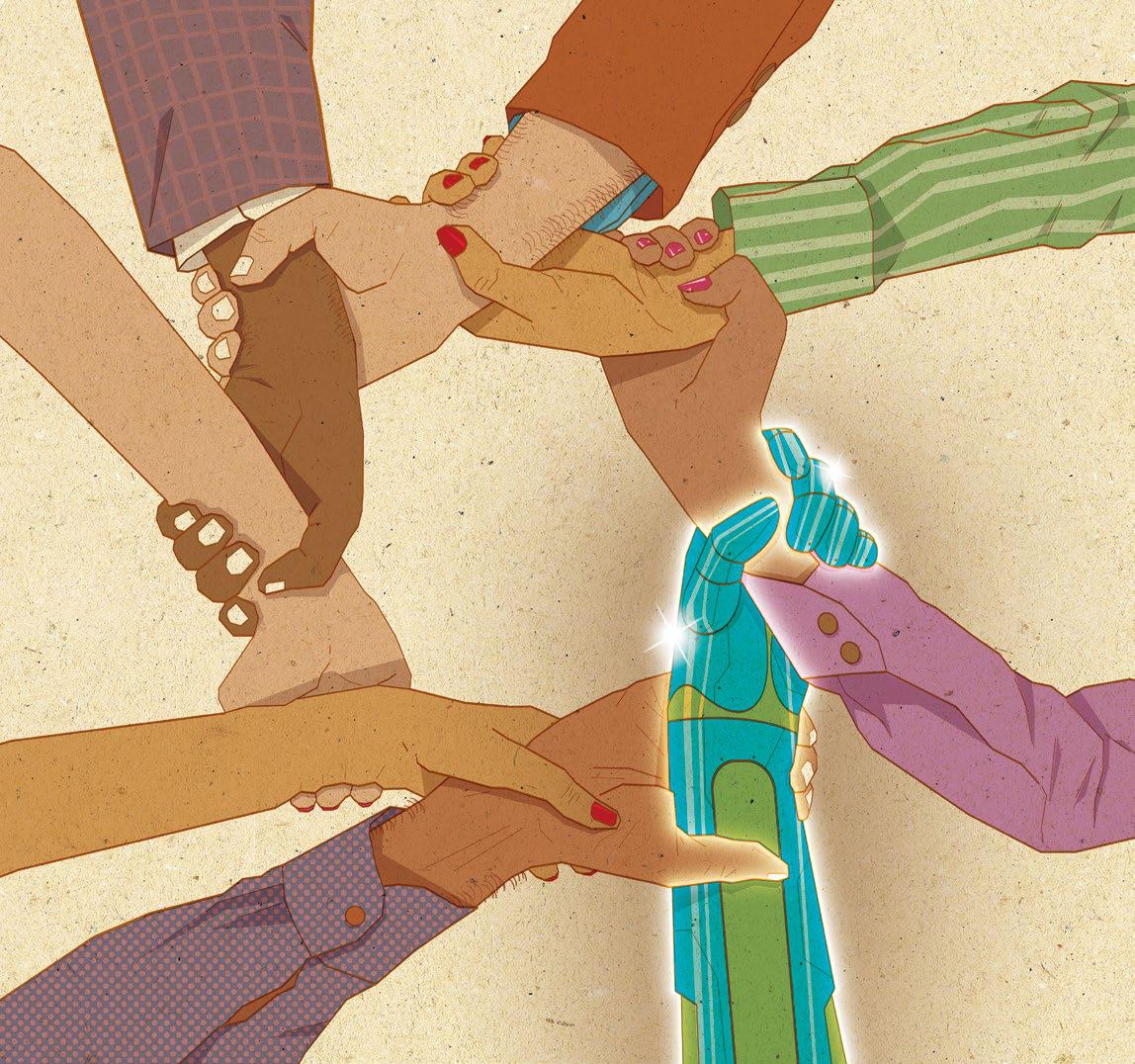
For Pune-based Deepti V, a product manager in an IT services firm, shoring up certifications related to artificial intelligence (AI) is central to career growth.
The finance company where she is deployed on a project has begun discussions on hiring an AI risk manager who will decide the processes that can be automated. “Once the automation takes effect across teams, it will result in some people being removed. In order to stay relevant or reach a better profile in, say, two or three years, it is important to complete as many certifications as possible,” says the 40-year-old. At present her interaction with AI is using Microsoft’s Copilot to automate routine work such as tracking and status updates for her project, in addition to querying the AI agent about data on key aspects of the project.
Deepti falls within the bracket of entry- and mid-level women employees in the Indian IT/ITeS sector who show high adoption of generative AI (GenAI). According to a survey by Nasscom and consultancy firm BCG in 2024, nearly 79 percent women in senior roles in India adopted GenAI for work, compared to 88 percent male peers, lagging by 9 basis points. Globally, adoption of GenAI by women in leadership roles stood at 76 percent, 12 basis points ahead of men.
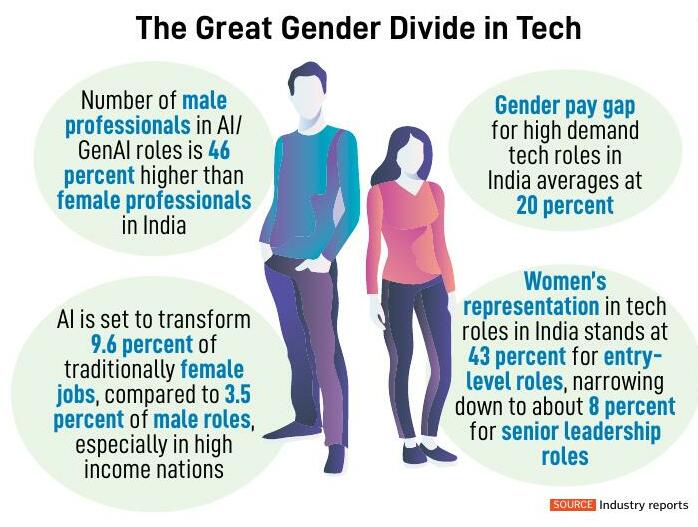 In a country where the funnel of women narrows towards senior leadership roles in tech industries, large-scale adoption of AI in enterprises is only likely to widen the gap between female and male employees in the sector, believe industry experts.
THE DIVIDE

このストーリーは、Forbes India の November 14, 2025 版からのものです。
Magzter GOLD を購読すると、厳選された何千ものプレミアム記事や、10,000 以上の雑誌や新聞にアクセスできます。
すでに購読者ですか? サインイン
Listen
Translate
Change font size