試す 金 - 無料
UNTOLD RISKS
Down To Earth
|March 16, 2021
India needs a full-time organisation to tackle a host of biological threats

ON APRIL 10, 2020, the UN Secretary-General Antonio Guterres spoke on an issue that many have feared privately: the covid-19 pandemic exposes countries’ “weaknesses and lack of preparedness” and “provides a window onto how a bioterrorist attack might unfold”. India is particularly vulnerable to such bioterrorist attacks due to its size, geography and uneven health system capacity.
The country faces three major biological threats: naturally occurring infections in humans, plants, or animals; diseases that may occur due to an unintentional release of pathogens from laboratories; and terrorists or other bad actors deliberately misusing biotechnology to create biological weapons that can affect humans, animals or crops.
India often faces naturally occurring agricultural infestations, such as the recent locust attacks; diseases that affect animals and have not yet infected humans, such as the bird flu outbreak; and, zoonotic infections that have jumped from animals to humans, such as covid-19. Yet, the country does not have a proper strategy to tackle infections. Instead, it follows a reactive approach, convening emergency committees, ad hoc response panels and groups once a disaster has struck.
Regarding the second category of risks, the country has so far not reported any case of accidental spilling of pathogens. But there has been illegal cultivation of transgenic crops in different regions. This illegal growth of transgenic crops challenges the implementation of guidelines for maintaining safety of biotechnological research.

このストーリーは、Down To Earth の March 16, 2021 版からのものです。
Magzter GOLD を購読すると、厳選された何千ものプレミアム記事や、10,000 以上の雑誌や新聞にアクセスできます。
すでに購読者ですか? サインイン
Down To Earth からのその他のストーリー

Down To Earth
Bitter pill
THE WEB SERIES PHARMA EXPOSES HARSH TRUTHS OF THE PHARMACEUTICAL INDUSTRY, WHERE PROFIT OFTEN BECOMES MORE IMPORTANT THAN HUMAN HEALTH

3 mins
January 16, 2026
Down To Earth
CHAOS IN-DEFINITION
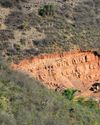
The Aravallis are perhaps India's most litigated hill range. More than 4,000 court cases have failed to arrest their destruction. The latest dispute concerns a narrow legal definition of this geological antiquity, much of which has been obliterated by mining and urban sprawl. While the Supreme Court has stayed its own judgement accepting that definition, it must see the underlying reality and help reconcile development and national security with conservation.
19 mins
January 16, 2026

Down To Earth
BITS: INDIA
Indore has recorded 16 deaths and more than 1,600 hospitalisations between December 24 and January 6.
1 min
January 16, 2026

Down To Earth
GUARANTEE EXPIRES
India's rural employment guarantee law is replaced with a centrally controlled, budget-capped scheme. Is this an attack on the right to work?
3 mins
January 16, 2026
Down To Earth
BLOOM OR BANE
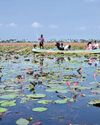
Surge of vibrant pink water lilies in Kuttanad, Kerala, provides socio-economic benefits, but the plant's ecological impacts must be understood
4 mins
January 16, 2026
Down To Earth
INVISIBLE EMPLOYER
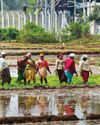
Field and academic evidence shows sharp falls in casual agricultural employment at places where groundwater access declines
3 mins
January 16, 2026

Down To Earth
Schemed for erasure
Does the VB-G RAMG Act address structural weaknesses long observed in MGNREGA's implementation?
10 mins
January 16, 2026

Down To Earth
School of change
An open school in Panagar, Madhya Pradesh, aims to protect children of tribal settlements from falling into the trap of addiction
2 mins
January 16, 2026

Down To Earth
PULSE OF RESILIENCE
As a climate-ready crop, cowpea shows potential for widespread use in India
3 mins
January 16, 2026
Down To Earth
BITS GLOBAL
Britain recorded its hottest and sunniest year ever in 2025, the country's meteorological office said on January 2.
1 min
January 16, 2026
Translate
Change font size