
Magzter GOLDで無制限に
10,000以上の雑誌、新聞、プレミアム記事に無制限にアクセスできます。
試す 金 - 無料
At Death's Door
Down To Earth
|April 16, 2017
Around three million people are estimated to be severely food-insecure in north-eastern Nigeria, South Sudan and Somalia. JONATHAN POUND looks at the reasons famine still plagues Africa.

THE SEVERE food insecurity situation that is afflicting several countries in Africa is unprecedented in terms of magnitude, severity and multifaceted causes. While early warning systems, which have been augmented in recent years by a proliferation of remote sensing analysis, have become increasingly efficient in forewarning about droughts and proposing actions to mitigate their impact, conflict has become a key driver of severe food insecurity in Africa, particularly in north-eastern Nigeria, South Sudan and Somalia.
In 2016 and 2017, while intra-country conflicts were the main catalyst that put populations at risk or in famine conditions, it was also an amalgam of elements, including droughts, record high food prices and economic downturns, which combined to push millions of people into food insecurity across the continent, and concurrently eroded capacities of households and governments to respond effectively.
In aggregate, nearly 3 million people are estimated to be severely food-insecure and at risk of famine in north-eastern Nigeria, Somalia and South Sudan where famine has already been declared. Conflict acutely impinges on households’ productive capacity, physically denying access to agricultural land and inputs, while the persistent threat of violence can negatively affect farmers’ planting decisions. It also adversely impacts pastoralists’ livelihoods, significantly restricting mobility, which is critical for sustainable natural resource management.
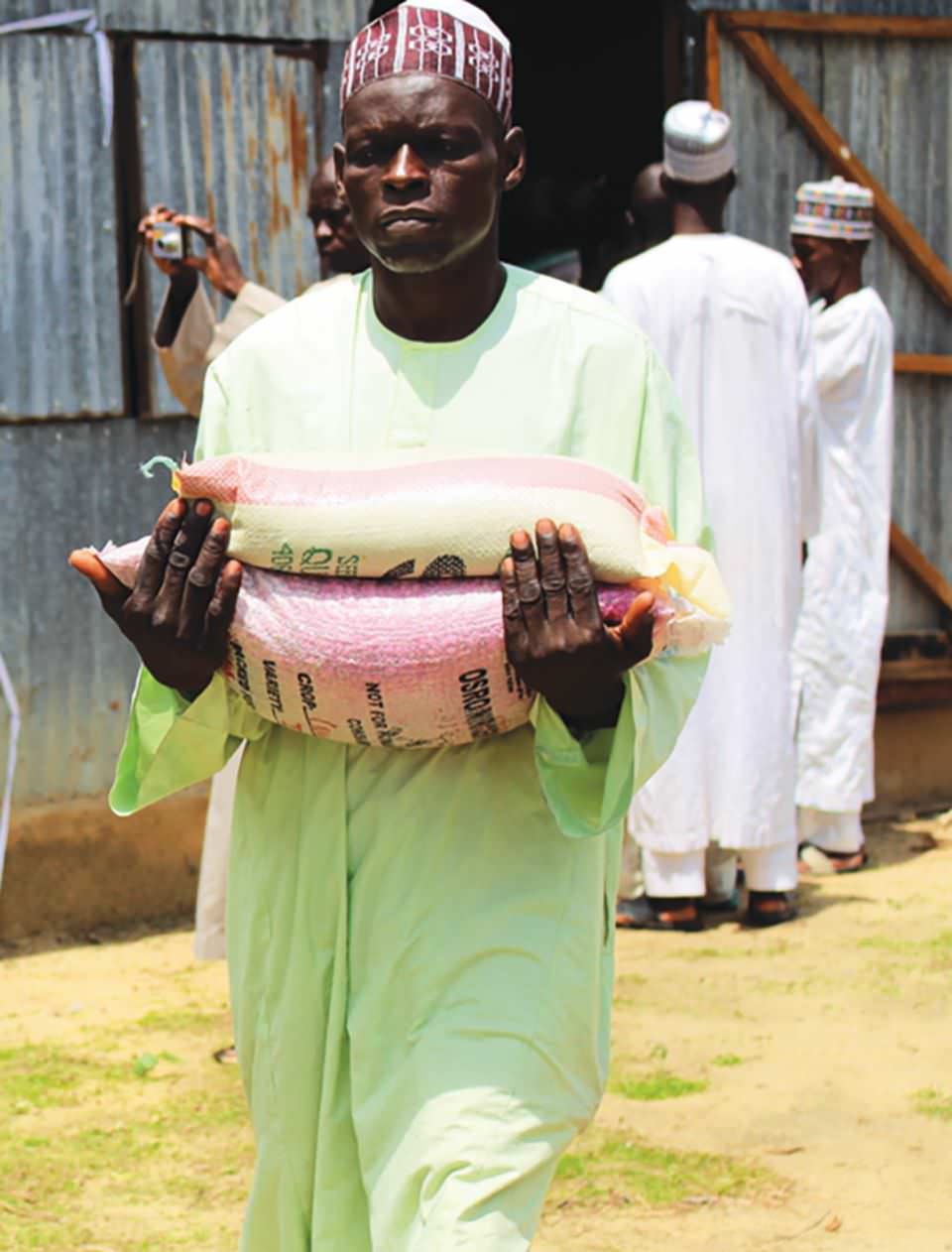
People pushed to the brink

このストーリーは、Down To Earth の April 16, 2017 版からのものです。
Magzter GOLD を購読すると、厳選された何千ものプレミアム記事や、10,000 以上の雑誌や新聞にアクセスできます。
すでに購読者ですか? サインイン
Down To Earth からのその他のストーリー

Down To Earth
THINK TWICE BEFORE FELLING SAL TREES
Many trees considered to be affected by sal borer in the 1990s are still alive today

1 mins
February 16, 2026

Down To Earth
EDGE OF SURVIVAL
Caste divides deny marginalised communities land, resources and essential aid, leaving them more vulnerable to climate disasters
6 mins
February 16, 2026

Down To Earth
A WISH LIST?
Union Budget for 2026-27 conveys the impression of a roll-call of intentions and ambitious proposals, with little detail on their formulation
6 mins
February 16, 2026
Down To Earth
Break down the gender wall
THE RULING National Democratic Alliance (NDA) government has been heavily invested in the goal to make India a developed economy by 2047.
2 mins
February 16, 2026

Down To Earth
MENSTRUAL HEALTH, NOW A FUNDAMENTAL RIGHT
In a landmark judgement, the Supreme Court has recognised menstrual health and hygiene as a fundamental right under Article 21 of the Constitution of India, which guarantees the right to life and dignity.
8 mins
February 16, 2026

Down To Earth
Of devolution and new disasters
The 16th Finance Commission pushes for changes in view of new fiscal and climatic conditions
11 mins
February 16, 2026
Down To Earth
Rising risks of plastics
NEGATIVE IMPACTS on human health due to emissions linked to the plastic lifecycle could double by 2040, according to a study published in The Lancet Planetary Health in January.
1 min
February 16, 2026

Down To Earth
GAP BETWEEN EPIDEMICS NARROWING
A watershed-based and landscape-level approach is needed to address forest degradation
2 mins
February 16, 2026
Down To Earth
WAITING TO STRIKE
Sal heartwood borer is considered the biggest threat to forestry in India, especially to the sal tree, where it lives and breeds.
11 mins
February 16, 2026

Down To Earth
A SPRING DELIGHT
Mustard flowers are not meant only for the eyes. Invite them to your plate once in a while
3 mins
February 16, 2026
Translate
Change font size