試す 金 - 無料
ONLINE JUNK FOOD ADS: COULD A BAN CUT OBESITY?
BBC Focus - Science & Technology
|January 2021
The UK government has proposed a ban on internet ads for junk food. Could it improve the nation’s health?

On 10 November 2020, the UK government launched a consultation for a total ban on online adverts for ‘junk’ food. The proposed rules, following on from a broader antiobesity strategy published earlier in the year, surprised many for being far tougher than expected. All of this sound and fury, after years of relative inaction, was thought to have resulted from Prime Minister Boris Johnson experiencing a Damascene conversion after he caught COVID-19. He blamed the severity of his symptoms on his elevated weight.
Obesity is indeed one of the biggest public health crises the UK faces, with almost two-thirds of adults either overweight or living with obesity. Crucially, one-third of children leave primary school overweight or with obesity, making them more likely to become adults carrying excess weight.
What the pandemic has crystallised for many, including our PM, is that living with obesity increases your risk of a number of different diseases, infectious or otherwise. Hence this far-reaching proposed ban on all online adverts promoting ‘junk’ food high in fat, sugar and salt (HFSS), with the explicit aim of helping protect children from developing long-term unhealthy eating habits.

このストーリーは、BBC Focus - Science & Technology の January 2021 版からのものです。
Magzter GOLD を購読すると、厳選された何千ものプレミアム記事や、10,000 以上の雑誌や新聞にアクセスできます。
すでに購読者ですか? サインイン
BBC Focus - Science & Technology からのその他のストーリー

BBC Science Focus
DOES MY DOG HAVE ADHD?
Officially, Attention-Deficit Hyperactivity Disorder (ADHD) is a human condition. People are diagnosed with it. Dogs are not. Yet many of its core features, including hyperactivity, impulsivity and distractibility, can be found in dogs.

1 min
March 2026

BBC Science Focus
DOES MY BRAIN LIVE A LITTLE IN THE PAST?
Yes, your brain does live a little in the past. It can't help it. The information it receives via your senses is always a little out of date. Whether it's light entering the retinas in your eyes, or sounds vibrating the hairs in your ears, it not only takes time for the data to arrive, but your brain then has to process it.
2 mins
March 2026

BBC Science Focus
ASTRONOMY FOR BEGINNERS
RETURN OF THE EVENING STAR (VENUS)
1 mins
March 2026

BBC Science Focus
CAN YOU STOP YOUR SENSE OF TASTE DULLING AS YOU AGE?
Sometimes I hear people say that food just doesn't taste the same as they get older. It's tempting to blame this on age, but there are other factors at play, too.
1 mins
March 2026
BBC Science Focus
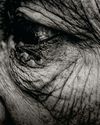
MICROBIOMES OF THE SUPERAGERS
BY STUDYING THE INCREASING NUMBER OF PEOPLE WHO ARE LIVING BEYOND THEIR 100TH BIRTHDAYS, SCIENTISTS ARE DISCOVERING THAT THE SECRET TO REACHING A RIPE OLD AGE IN RUDE HEALTH MIGHT LIE IN OUR GUTS
8 mins
March 2026

BBC Science Focus
HOW BIG WERE MEDIEVAL WAR HORSES?
You might picture knights charging into battle on towering steeds, but medieval horses were typically no bigger than modern-day ponies.
1 min
March 2026

BBC Science Focus
FORCES OF HABIT
Could new research on setting up healthy habits resuscitate those stuttering New Year resolutions?
3 mins
March 2026

BBC Science Focus
5 DANGERS HIDING IN YOUR PROCESSED FOOD
We all know that ultra-processed foods are bad for us, but what ingredients should we particularly try to avoid? And what are they doing to our bodies?
9 mins
March 2026
BBC Science Focus
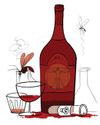
Mosquitoes are becoming thirstier for human blood
Habitat loss may be pushing mosquitoes towards human hosts with deadly consequences
1 mins
March 2026

BBC Science Focus
HOW CAN I GET OVER MY EX?
Relationship breakups can be brutal, just look at the popularity of songs like 'Someone Like You' by Adele, or all the covers of 'Cry Me a River' by Julie London.
1 mins
March 2026
Translate
Change font size