試す 金 - 無料
Do Social Networks Make Us Antisocial?
BBC Focus - Science & Technology
|April 2017
Many Of Us Have Experienced The Ways In Which Social Media Has Changed The Online World. But Should We Be Worried About It Altering Our Behaviour Too?
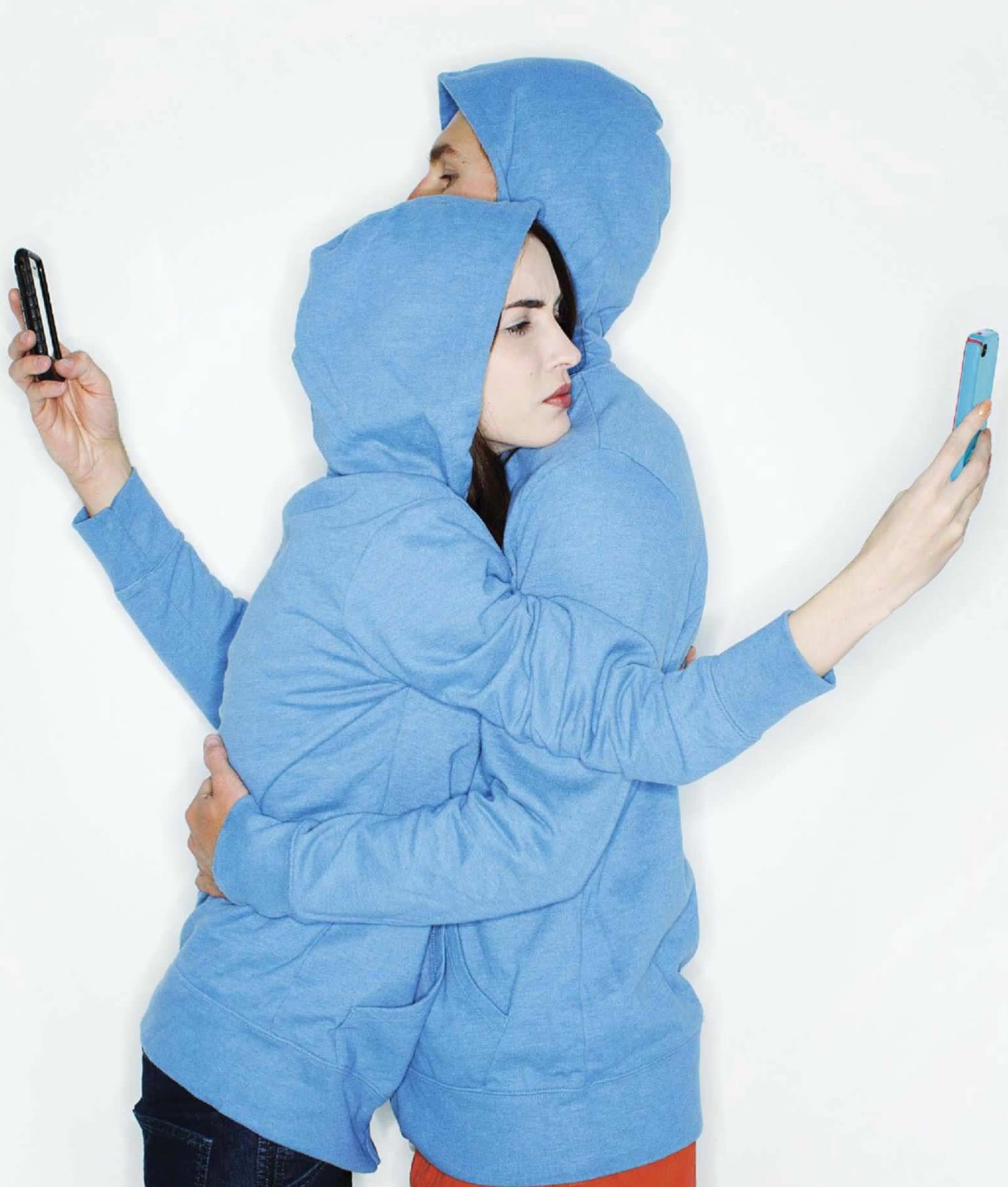
Recently, I witnessed the unpleasant breakdown of a relationship. One partner accused the other of infidelity and promiscuity; the other retaliated with claims of emotional abuse, drunken behaviour and an inability to perform sexually. All this, in much more sweary language than that conveyed here. It got nasty fast, with children being dragged into it, and friends taking sides and furiously rowing with those who’d taken the other side. All very grim, and it made me vow to avoid any and all of those involved as a result.
That wasn’t difficult though, as I’d never actually met any of them to begin with. This whole breakdown happened on Facebook. Some friends of friends had asked to add me to their network, I’d unthinkingly agreed, and thus I ended up with a front-row seat to their hideous break-up. Ironic, that a social network was essentially responsible for the destruction of so many social bonds.
You’ve no doubt heard many complaints about social networks before. They’re time-consuming, invasive, confusing, compromise your privacy and so on. But do they actually make us antisocial? Is there any credibility to that claim?

このストーリーは、BBC Focus - Science & Technology の April 2017 版からのものです。
Magzter GOLD を購読すると、厳選された何千ものプレミアム記事や、10,000 以上の雑誌や新聞にアクセスできます。
すでに購読者ですか? サインイン
BBC Focus - Science & Technology からのその他のストーリー

BBC Science Focus
DOES MY DOG HAVE ADHD?
Officially, Attention-Deficit Hyperactivity Disorder (ADHD) is a human condition. People are diagnosed with it. Dogs are not. Yet many of its core features, including hyperactivity, impulsivity and distractibility, can be found in dogs.

1 min
March 2026
BBC Science Focus
DOES MY BRAIN LIVE A LITTLE IN THE PAST?
Yes, your brain does live a little in the past. It can't help it. The information it receives via your senses is always a little out of date. Whether it's light entering the retinas in your eyes, or sounds vibrating the hairs in your ears, it not only takes time for the data to arrive, but your brain then has to process it.
2 mins
March 2026
BBC Science Focus
ASTRONOMY FOR BEGINNERS
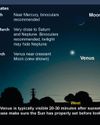
RETURN OF THE EVENING STAR (VENUS)
1 mins
March 2026

BBC Science Focus
CAN YOU STOP YOUR SENSE OF TASTE DULLING AS YOU AGE?
Sometimes I hear people say that food just doesn't taste the same as they get older. It's tempting to blame this on age, but there are other factors at play, too.
1 mins
March 2026
BBC Science Focus
MICROBIOMES OF THE SUPERAGERS
BY STUDYING THE INCREASING NUMBER OF PEOPLE WHO ARE LIVING BEYOND THEIR 100TH BIRTHDAYS, SCIENTISTS ARE DISCOVERING THAT THE SECRET TO REACHING A RIPE OLD AGE IN RUDE HEALTH MIGHT LIE IN OUR GUTS
8 mins
March 2026

BBC Science Focus
HOW BIG WERE MEDIEVAL WAR HORSES?
You might picture knights charging into battle on towering steeds, but medieval horses were typically no bigger than modern-day ponies.
1 min
March 2026
BBC Science Focus
FORCES OF HABIT
Could new research on setting up healthy habits resuscitate those stuttering New Year resolutions?
3 mins
March 2026

BBC Science Focus
5 DANGERS HIDING IN YOUR PROCESSED FOOD
We all know that ultra-processed foods are bad for us, but what ingredients should we particularly try to avoid? And what are they doing to our bodies?
9 mins
March 2026
BBC Science Focus
Mosquitoes are becoming thirstier for human blood
Habitat loss may be pushing mosquitoes towards human hosts with deadly consequences
1 mins
March 2026

BBC Science Focus
HOW CAN I GET OVER MY EX?
Relationship breakups can be brutal, just look at the popularity of songs like 'Someone Like You' by Adele, or all the covers of 'Cry Me a River' by Julie London.
1 mins
March 2026
Translate
Change font size