
Magzter GOLDで無制限に
10,000以上の雑誌、新聞、プレミアム記事に無制限にアクセスできます。
The Nature Of Things
WellBeing
|Issue#175
According to the theory of biophilia, we’re genetically programmed to thrive in nature. Biophilic design encourages us to bring nature and its therapeutic benefi ts into the places where we dwell most of the time: our homes and workplaces.

In the developed world we spend most of our lives within human-made environments. Artificially lit, air-conditioned and furnished with synthetic mass-produced products, the modern habitats of our homes and workplaces are far from what we evolved within. While few of us would challenge such a way of life, a growing body of evidence suggests deprivation from the natural environment has negative consequences for our health and wellbeing. In fact, many researchers believe a lot of modern stress derives from our lack of adaptation to living in urban environments.
A report commissioned by Beyondblue (Beyond Blue to Green: The Benefits of Contact With Nature For Mental Health and Well-Being) found contact with nature, including merely viewing a garden through a window, can enhance our health. As well as invigorating and rejuvenating us, nature can reduce stress, depression, anger and frustration, improve our mood and physical health, enhance focus and clarity, and promote a sense of belonging, calm and acceptance.
Evolving out of this growing recognition (a field known as ecopsychology), the concept of biophilia (our innate affinity for nature) has been embraced by some architects and designers. Holistic architect and interior designer Anthony Ashworth explains that biophilic design is simply “bringing a sense of the natural world into our built environment”. While it’s a new word, “We’ve been doing biophilic design since we could pick up charcoal and draw on a wall,” he says. “It’s been given a category and an awareness now but we’ve always kind of done it.”
Not everything natural is necessarily biophilic. For example, deep-sea habitats, volcanoes, outer space, deserts, poisonous snakes and microorganisms, though natural, are not biophilic. Biophilic design centres around natural ecosystems and phenomena with an evolutionary history of benefit to human wellbeing.
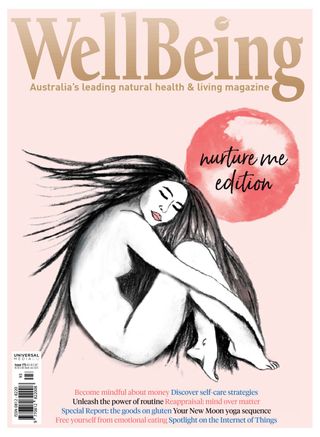

このストーリーは、WellBeing の Issue#175 版からのものです。
Magzter GOLD を購読すると、厳選された何千ものプレミアム記事や、10,000 以上の雑誌や新聞にアクセスできます。
すでに購読者ですか? サインイン
WellBeing からのその他のストーリー
WellBeing
In Season
These are the fruit and vegetables that are currently in season and so will be the freshest.

1 min
Issue 218

WellBeing
Navigating complementary medicines
For practitioners, quality and evidence matter more than ever. SFI Health is raising the bar with gold-standard formulations that don't compromise on clinical integrity.
5 mins
Issue 218

WellBeing
Too much of a good thing
Even well- intentioned health choices can sometimes contribute to unexpected problems.
3 mins
Issue 218

WellBeing
What we've been up to
WellBeing's editor Dana has been soaking up slow moments of warmth this winter.
1 min
Issue 218
WellBeing
Could creatine have a dark side?
Creatine is a multitalented wonder potion we all need to protect us against the ravages of ageing.
3 mins
Issue 218

WellBeing
ACS Distance Education
The secret to a successful career.
3 mins
Issue 218

WellBeing
Yoga for Energy Vampires
In yoga, prana is our life force and acts as a bridge between universal consciousness and matter.
8 mins
Issue 218

WellBeing
Chinese medicine dietary therapy
Food therapy may augment TCM herbal therapy or sustain improvements after herbal treatments have ceased. It may also be used in prevention, to nourish health and prolong life.
3 mins
Issue 218
WellBeing
AcuEnergetics®
AcuEnergetics received widespread attention in the media when founder Kevin Niv Farrow treated the captain of the NSW State of Origin team Boyd Cordner for a calf injury. Since then, the unique treatment modality has continued to capture the attention of other high-profile sports stars.
1 mins
Issue 218
WellBeing
Honouring a legacy in aromatherapy
Our oils are extracted with precision and care to ensure the active plant compounds remain intact, preserving the therapeutic benefits from field to bottle.
3 mins
Issue 218
Translate
Change font size