試す 金 - 無料
Into the wild
BBC History UK
|July 2022
From its earliest days, the BBC set out to chronicle the natural world - an ambition that, as DAVID HENDY explores, reached new heights from the late 1970s with David Attenborough's string of wildlife blockbusters

At ten past eight in the evening on Tuesday 16 January 1979, British viewers were invited to embark on the opening stage of what would turn out to be one of the most spectacular and groundbreaking journeys in British television history.
The 50-minute programme was advertised in Radio Times as the start of an ambitious attempt across 13 weekly episodes to explore "the incredible variety of living things, and fossils, which throw light on the ancestry of life". The series was called Life on Earth, its presenter David Attenborough. It decisively announced not only a new phase in natural history TV but the beginning of a decades-long era in which the BBC and, in particular its own Natural History Unit, would become a dominant player in the global broadcasting marketplace.
In some respects, Life on Earth started rather unspectacularly. Since this was the story of evolution, the first episode was largely about single-cell organisms. The next featured sea snails and shrimps. In fact, the series would be more than halfway through before it served up that familiar medley of giant lizards, lions, and zebras that viewers of natural history had come to expect. Nevertheless, only two episodes in, the renowned critic Clive James was writing in the Observer of watching "enthralled... Slack-jawed with wonder and respect". Nor was he alone.
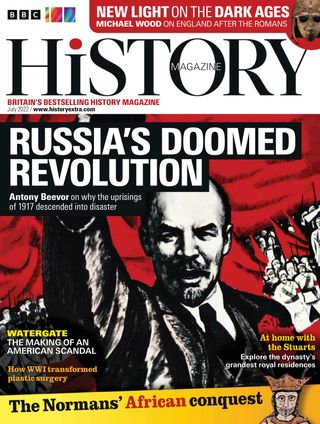

このストーリーは、BBC History UK の July 2022 版からのものです。
Magzter GOLD を購読すると、厳選された何千ものプレミアム記事や、10,000 以上の雑誌や新聞にアクセスできます。
すでに購読者ですか? サインイン
BBC History UK からのその他のストーリー
BBC History UK
On the skids
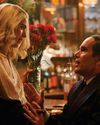
Richard Rodgers and Oscar Hammerstein II's smash musical Oklahoma! opened on Broadway on 31 March 1943.

1 min
Christmas 2025

BBC History UK
Small pleasures
Memory is imperfect, but what if you could get a professional model maker to recreate a moment from the past?
1 min
Christmas 2025

BBC History UK
Bath in five places
In the Georgian era, Bath became arguably Britain's most fashionable destination. KIRSTEN ELLIOTT promenades five historic highlights
3 mins
Christmas 2025
BBC History UK
End times
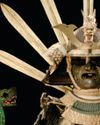
Why do civilisations that dominated their epoch fail? In an era of autocracy, climate change, the rise of Al and a first-hand understanding of how deadly pandemics can be, it's a question that seems pertinent.
1 min
Christmas 2025
BBC History UK
What are the origins of the Yule Lads?
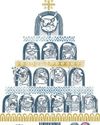
To learn about the Jólasveinar (Yule Lads), we must start with their mother, the terrifying ogress Grýla. Her name appeared in Icelandic texts as early as the 13th century, although it wasn’t until later that those 13 mischievous lads became associated with her. Folk tales and poems tell how she descends from the mountains with an empty sack to stuff full of children. Grýla owns the monstrous Jólaköttur (Yule Cat), which roams the countryside on Christmas Eve, searching for children to gobble up if they're not wearing new clothes.
1 mins
Christmas 2025
BBC History UK
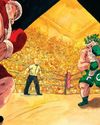
Santa Claus v Father Christmas
The true identity of the white-bearded, red-robed figure who fills children's stockings at Christmas has long been debated. Thomas Ruys Smith sizes up the merry contenders
8 mins
Christmas 2025
BBC History UK
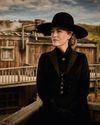
Frontier friction
Set in Washington Territory in 1854, The Abandons is a Western that's unusual for having two matriarchs, women whose lives become entangled, at its centre.
1 min
Christmas 2025

BBC History UK
The Last Days of Pompeii: The Immersive Experience
Delve into the culture of daily Roman life, witness the momentous eruption of Mount Vesuvius, and follow its fallout in Immerse LDN's new exhibition. In a blend of cutting-edge technology and vivid storytelling, this exhibition launches visitors into Pompeii's rich history with recreations of the ancient city's beautiful pre-eruption landscape, a 360-degree virtual reality Roman amphitheatre experience, and a digital metaverse recreating Pompeii's 'Villa of Mysteries'.
1 min
Christmas 2025
BBC History UK
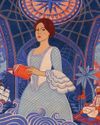
Elizabeth Marsh The corsair's captive
Taken hostage by a Barbary ship's captain in the 18th century, a young Englishwoman found herself fighting for her freedom in Marrakech. ADAM NICHOLS introduces a brave captive who later wrote a book about her dramatic experiences
6 mins
Christmas 2025
BBC History UK
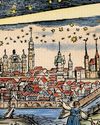
29 DECEMBER 1170: Thomas Becket is murdered in Canterbury
Knights loyal to Henry II rid him of the “low-born cleric”
2 mins
Christmas 2025
Translate
Change font size