
Magzter GOLDで無制限に
10,000以上の雑誌、新聞、プレミアム記事に無制限にアクセスできます。
試す 金 - 無料
A Cruel Renaissance
BBC History Magazine
|May 2022
“Wicked, an abomination, and against all humanity.” These words, uttered in 1416, shine a light on a dark truth: that slavery thrived in Renaissance Europe. Hannah Skoda tells the stories of people living in bondage in a period when ideals of liberty and the nobility of human nature didn't apply to all

''I gave and sold myself, of my own free will, as a slave to Elias, son of Blasius of Rastus, for four and a half gold coins, valid until my death, so that the said Elias can do with me as he pleases.” This record of an exchange - noted on a slip of parchment as having taken place in Dubrovnik in 1281 – is a typical sale contract, reminding us that slavery was a common phenomenon across the Mediterranean and southern Europe in the late medieval period. It makes the horrors of slavery very clear - yet it is also striking to see the I of the enslaved person. Despite becoming “property, their voice resonates across the centuries.
We rightly celebrate the achievements of the Renaissance but in the late medieval period, the Mediterranean was effectively a slaving zone, with enslaved people transported between all of its coasts and sold in its cities, both Muslim and Christian.
Those slaves who worked in the households of even prominent humanists tend to get written out of accounts of the Renaissance. Here, however, I will tell some of the stories of slaves sold in southern Europe. From Dubrovnik in modern-day Croatia around the coast of Italy, the south of France, and the coast of Spain up to Porto in Portugal, the archives are full of notarial (legal) contracts about slave sales. In 1367, a woman named Christine was sold in Marseille; the purchaser told that he could “have her, hold her, give her, sell her, exchange her, and do all that he pleases with her”.
Black period
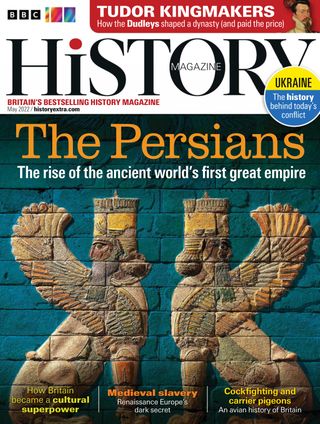

このストーリーは、BBC History Magazine の May 2022 版からのものです。
Magzter GOLD を購読すると、厳選された何千ものプレミアム記事や、10,000 以上の雑誌や新聞にアクセスできます。
すでに購読者ですか? サインイン
BBC History Magazine からのその他のストーリー
BBC History UK
Royal progress
Alice Loxton's new book begins with a compelling premise.

1 mins
January 2026

BBC History UK
"Leaving Muslim contributions out of European history has allowed Islamophobic sentiment to flourish"
THARIK HUSSAIN speaks to Danny Bird about the long but often overlooked and distorted history of Muslims in Europe - and the enduring resistance to its reappraisal
9 mins
January 2026
BBC History UK
7 UNMISSABLE TRIPS IN 2026
With new routes, big anniversaries and fresh ways of discovering familiar favourites, TOM HALL highlights historical destinations to explore this year
4 mins
January 2026

BBC History UK
SOPHIE SCHOLL
Novelist Simon Scarrow chooses
2 mins
January 2026
BBC History UK
Portrait of the artists
TRACY BORMAN is enraptured by a beautifully written and richly illustrated exploration of early modern English art
2 mins
January 2026
BBC History UK
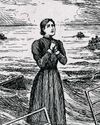
Humble heroes
Statues celebrate monarchs, rulers and conquerors - but who remembers the brave folk who gave their lives to save others? Anna Maria Barry recounts stories of selfsacrificing but otherwise ordinary people from the 19th and 20th centuries who are commemorated in one London park.
9 mins
January 2026
BBC History UK
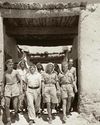
BACK FROM THE DEAD
Britain’s War Office thanked the SAS for its remarkable efforts in WW2 by abolishing it – yet soon realised the error of its ways. Gavin Mortimer tells the story of how the elite unit reinvented itself to confront the challenges of the postwar world
8 mins
January 2026
BBC History UK
Q&A - A selection of historical conundrums answered by experts
Were Roman gladiators vegetarian?
8 mins
January 2026
BBC History UK
Martha McGill on a pioneering study of folk beliefs in early modern England
I was recently chatting with a handful of early modernists about the history book we'd take to a desert island.
1 min
January 2026
BBC History UK
Independent empires
Viewing the British empire through an American lens provides an intriguing alternative perspective on the 'Land of the Free', says DAVID ARMITAGE
4 mins
January 2026
Translate
Change font size