
Magzter GOLDで無制限に
10,000以上の雑誌、新聞、プレミアム記事に無制限にアクセスできます。
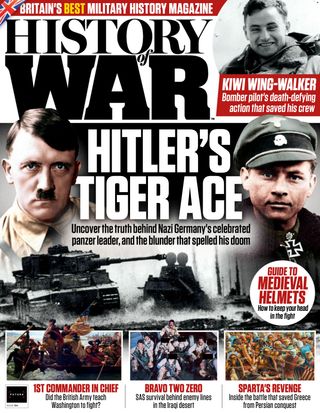
AMERICA'S FIRST COMMANDER IN CHIEF
History of War
|Issue 104, 2022
A Founding Father, military hero of the revolution and the nation’s first president – but how much of his story is fact, and how much fiction?

When it came to choosing a commander to lead an armed uprising against the British, unity was very much on the minds of the American colonies. Resistance to British rule had not yet escalated into a demand for independence, but a large army had formed at Boston, penning in the smaller British forces. It came mostly from the northern colonies, especially those known collectively as New England.
George Washington, from a solid Virginia family, was seen as a man who could encourage greater participation from the middle and southern colonies. The commander in chief would need to be more than a general: he would need to be a symbol of resistance and, as unrest turned into revolution, he would have to inspire and lead an amateur army against a far more experienced foe.
Washington, standing at around six-foot two, fitted the bill for a physically imposing figurehead – but he would prove to be far more. From 1775 he led America’s fledgling army, through near-calamitous defeats and desperate shortages of supplies, to victory. His service was recognised and rewarded when he became the first president of the United States in 1789, six years after he had led his young nation to independence.
The young Washington
Washington was born into a comfortable world on 22 February, 1732. His family were plantation owners at Popes Creek in Westmoreland County, Virginia. Little is known of his childhood except for the fact that his father died when George was just 11. His older half-brothers were educated in England but George did not go to college, although he was taught the principles of surveying, which would come in useful when leading an army.

このストーリーは、History of War の Issue 104, 2022 版からのものです。
Magzter GOLD を購読すると、厳選された何千ものプレミアム記事や、10,000 以上の雑誌や新聞にアクセスできます。
すでに購読者ですか? サインイン
History of War からのその他のストーリー
History of War
MORE MISS MONEYPENNY THAN MATA HARI WOMEN SPIES THROUGHOUT THE DECADES
THEY LOOKED LIKE ORDINARY HOUSEWIVES, MOTHERS AND SECRETARIES IN SENSIBLE CLOTHES AND STURDY SHOES. BUT THESE INNOCUOUS WOMEN WERE EMBARKED ON COURAGEOUS AND OFTEN TREACHEROUS MISSIONS AS SECRET AGENTS

4 mins
Issue 153
History of War
THE END OF GREAT POWERS
Full-spectrum analysis of a state's economy, technology, leadership, society and alliances could be a superior way of predicting battlefield performance
3 mins
Issue 153
History of War
THE BATTLE OF JERUSALEM 9 JANUARY - 11 DECEMBER 1917
During a campaign that lasted nearly a year, British and Arab forces defeated the Ottoman Turks and entered the ancient city
7 mins
Issue 153
History of War
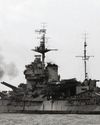
QUEEN ELIZABETH CLASS BATTLESHIP
These five super-dreadnoughts set the standard for early 20th century warship design in speed, firepower and protection and were the first fast battleships of the age
4 mins
Issue 153
History of War
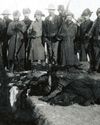
THE MASSACRE AT WOUNDED KNEE
In 1890, US troops killed more than 250 Lakota, at a location that remains the focus of resistance and dark controversy
10 mins
Issue 153
History of War
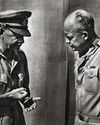
BORN IN NORTH AFRICA
HOW THE TUNISIA CAMPAIGN FORGED THE 'SPECIAL RELATIONSHIP'
3 mins
Issue 153
History of War
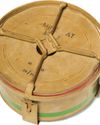
ANTI-TANK MINE
This lightweight General Service Mk V device could immobilise Hitler's heavy tanks and was used during fighting in Northwest Europe
1 mins
Issue 153
History of War
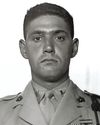
HEROES OF THE MEDAL OF HONOR BALDOMERO LOPEZ
During the daring landings at Inchon in 1950, this first lieutenant sacrificed his life to save his US Marine comrades
6 mins
Issue 153
History of War
NORTH KOREA'S ROCKET REVOLUTION
After the peninsula was divided by a long-term ceasefire, Pyongyang and Seoul raced to build weapons that could obliterate each other
4 mins
Issue 153
History of War
THE GREAT TRAIN RAID THE MOST DARING SAS MISSION OF WWII
DAMIEN LEWIS' LATEST SAS ADVENTURE IS CHARACTERISTICALLY FAST-PACED AND ACTION-PACKED
2 mins
Issue 153
Translate
Change font size