試す 金 - 無料
Abe's Aim Is True
Forbes Asia
|April 2019
Japan is doing better than what’s portrayed in conventional analyses.
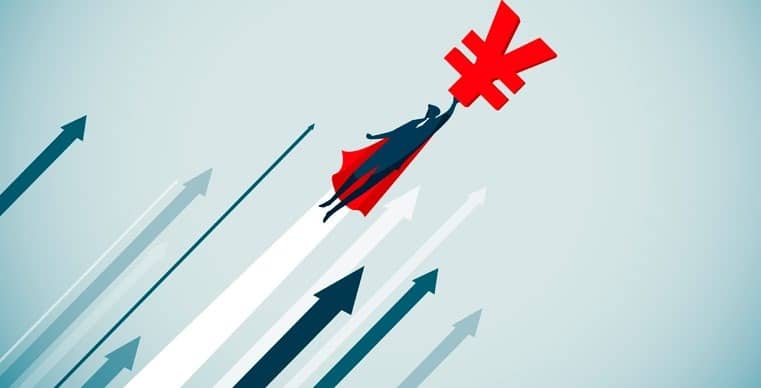
NEARLY THREE DECADES after its own asset bubble burst in 1991, Japan is still characterized as economically stagnant, weighed down by mounting debts and increasingly long-lived retirees. The latest data have deepened the gloom, with the IMF estimating that Japan’s GDP growth slowed to 0.9% last year from 1.9% in 2017. The benchmark Topix stock index slid almost 8% last year. It is easy—natural in fact—to be pessimistic about Japan.
The reality is more nuanced. The Japanese economy today is arguably healthier than it has been in over a decade, with annual GDP growth averaging 1.3% since 2012, again according to the IMF, double the 0.63% average in the previous decade. Prime Minister Shinzo Abe’s efforts to rejuvenate the Japanese economy, dubbed Abenomics, are beginning to bear fruit even if progress has been hesitant and uneven.
Abenomics consists of three “arrows:” monetary policy, fiscal policy, and structural reform. Of the three, it is the third arrow that is arguably the most important, especially for Japan’s long-term growth trajectory. It aims to bring about stronger wage growth to boost household consumption while increasing women’s participation in the labor force and encouraging more domestic investment by business—all to revive the domestic engine of economic growth.


このストーリーは、Forbes Asia の April 2019 版からのものです。
Magzter GOLD を購読すると、厳選された何千ものプレミアム記事や、10,000 以上の雑誌や新聞にアクセスできます。
すでに購読者ですか? サインイン
Translate
Change font size