試す 金 - 無料
CONSERVATION DOGS
BBC Wildlife
|Spring 2022
Dogs have been herding sheep and finding drugs for years. Now they're saving wildlife too.

As wolves have transformed into dogs, they’ve integrated into humans’ lives in more ways than any other animal. Dogs have been herding, hunting and guarding alongside people for thousands of years, and have been long valued for their abilities to find drugs and explosives, or locate missing persons.
More recently, with growing pressures on the environment and many species on the brink of extinction, dogs are increasingly helping with conservation projects around the world. Conservationists and scientists have realised that the dog’s extraordinary sense of smell could be unleashed to detect just about anything. From oceans to deserts, forests to wetlands, they can find rare, elusive or tiny species in vast landscapes, help enforce environmental laws, assist in controlling invasive species and much more.
Some of the dogs that take on jobs in conservation start out as unwanted pets. Highly energetic and toy-obsessed, they're often too much for their owners to handle. They end up in animal shelters where they have little hope of being adopted until they cross the path of conservation organisations that are looking for these specific traits - traits that will be perfect for working on wildlife conservation projects in rugged conditions. The canines find a new purpose, helping the species running out of options. Here are nine ways dogs are working to save wildlife...
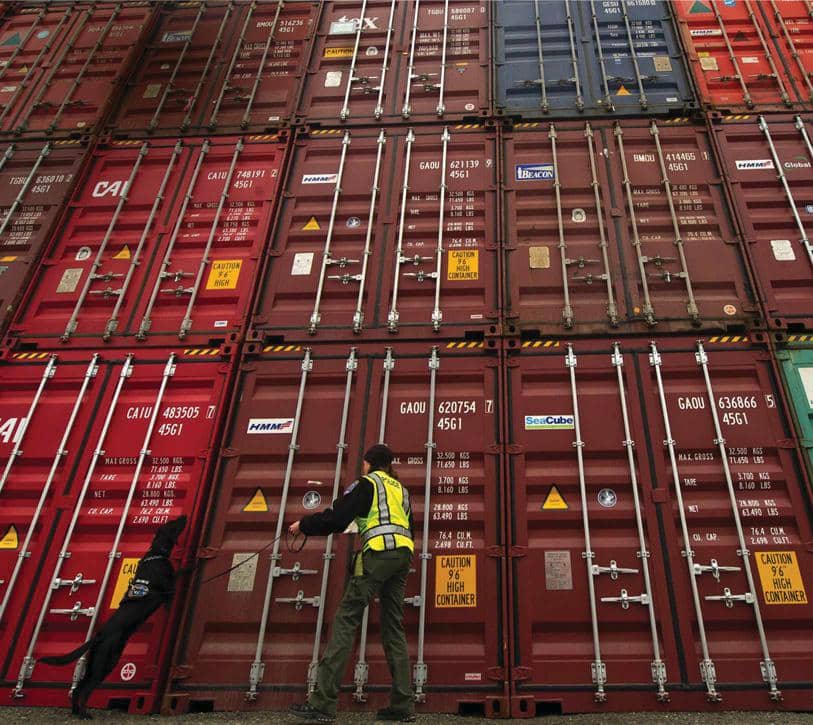
Tackling wildlife trafficking
Washington State, USA
Benny the black Labrador sniffs out shark fins

このストーリーは、BBC Wildlife の Spring 2022 版からのものです。
Magzter GOLD を購読すると、厳選された何千ものプレミアム記事や、10,000 以上の雑誌や新聞にアクセスできます。
すでに購読者ですか? サインイン
BBC Wildlife からのその他のストーリー
BBC Wildlife
“Our canoe was nearly sunk by a hippo”
Hippos in Niger

3 mins
March 2026

BBC Wildlife
Why does Australia have such weird animals?
AUSTRALIA IS A LONG WAY FROM anywhere and has been for a very long time. The landmass definitively separated from the supercontinent of Gondwana around 40 million years ago and, since then, has existed - as a big blob in the middle of an even bigger ocean - in glorious geographical isolation.
2 mins
March 2026
BBC Wildlife
Which country has the fewest native animals?
AT AROUND 61KM² SAN MARINO, IN Europe, is one of the world's smallest countries. Entirely landlocked, it is surrounded by Italy.
1 min
March 2026

BBC Wildlife
Why do some species sunbathe?
RING-TAILED LEMURS ARE FAMED FOR their 'sun-worshipping' posture, legs and arms outstretched to reveal their pale bellies. Like humans, they do it to save energy and boost health. Sunlight is necessary to many bodily processes. As a source of vitamin D it's required to maintain bone and muscle health. It is also related to the production of serotonin, the chemical that regulates mood, sleep and stress response.
1 mins
March 2026
BBC Wildlife
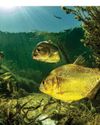
ALL YOU EVER NEEDED TO KNOW ABOUT THE Piranha
PIRANHAS HAVE A REPUTATION as some of the most dangerous freshwater hunters: terrifying predators capable of devouring a large mammal in mere minutes.
3 mins
March 2026
BBC Wildlife
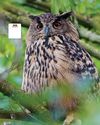
EAGLES LANDING
Eagle owls were once heavily persecuted. But thanks to a new initiative, these magnificent birds are reclaiming a wetland home
7 mins
March 2026
BBC Wildlife
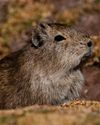
Do wild guinea pigs exist?
GUINEA PIGS, WHICH ARE NOT pigs and not from Guinea, are domesticated rodents that do not exist in the wild.
1 min
March 2026
BBC Wildlife
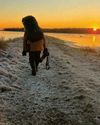
SNAP-CHAT: THE INSIDE WORLD OF WILDLIFE PHOTOGRAPHY
Boris Belchev on birds, batteries and battling bears with pop music
3 mins
March 2026
BBC Wildlife
Does anything live in the Bermuda Triangle?
THE BERMUDA TRIANGLE, IN THE NORTH Atlantic Ocean, has become infamous for the planes and ships that are said to have vanished without a trace while travelling through the area.
1 min
March 2026
BBC Wildlife
Do animals have different blood types?
HUMANS HAVE FOUR MAIN BLOOD GROUPS: A, B, AB and O.
1 min
March 2026
Translate
Change font size