試す 金 - 無料
BEE LINE
BBC Wildlife
|April 2022
Beautiful and intimate images reveal extraordinary insights into the social structure, communication, defensive strategies and sex lives of wild honeybees

ABOUT THE CONTRIBUTORS
Ingo Arndt and Jürgen Tautz have come together to publish Honey Bees (Natural History Museum, £25). Ingo is an award-winning German nature photographer and more of his work can be seen at ingoarndt.com. Jürgen is a leading bee expert, behavioural scientist, sociobiologist, author and retired professor.
Thirsty work
Like zebras at a waterhole, western honeybees line up at a small pool to collect water. But they aren't simply quenching their thirst: water is used to cool the nest (workers fan their wings to promote evaporation) and dilute the honey that is fed to the older larvae.
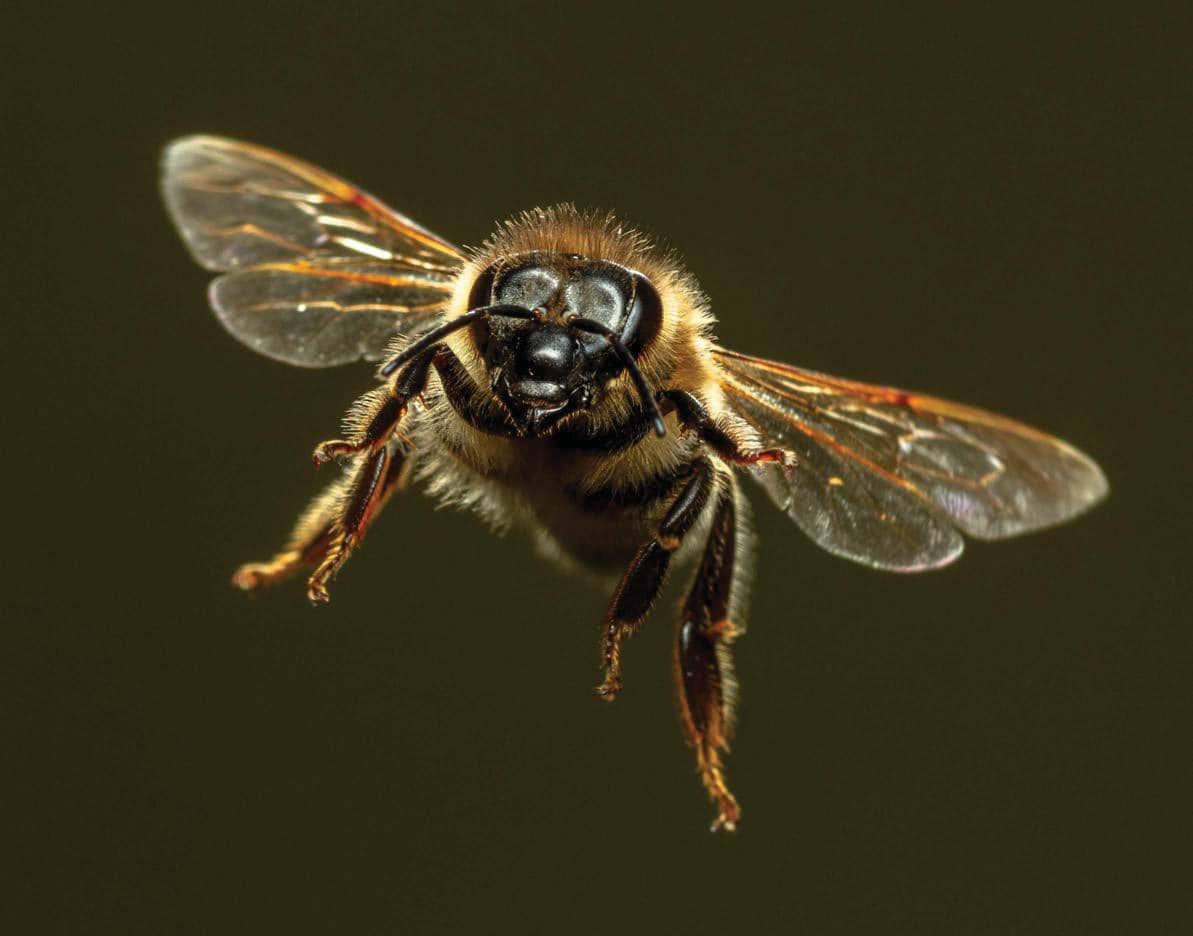
Frozen in flight
Keeping her head steady as she prepares to land, this honeybee constantly scans her environment with eyes and antennae sensing touch, taste and smell - enabling her to navigate to food sources and home again.
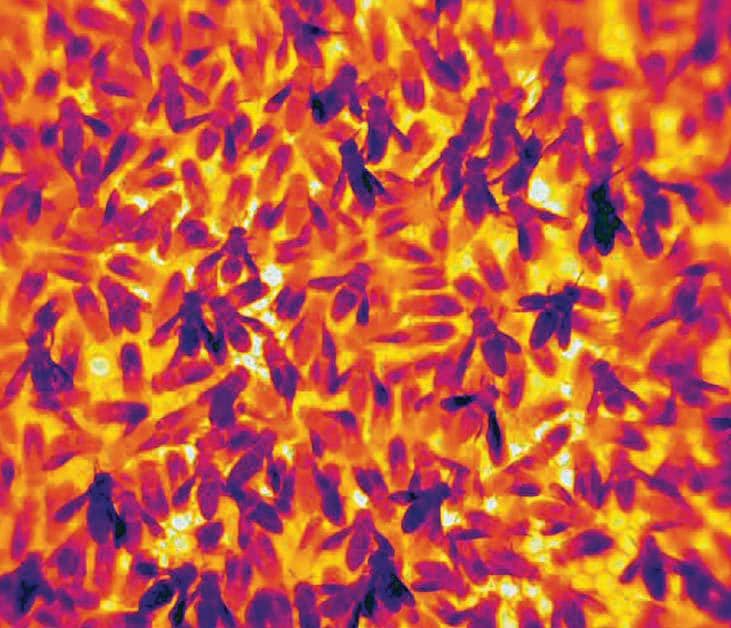
Hot buzz
Thermal imaging reveals temperature differences between less-active bees (blue), those preparing for take-off (white) and others that are warming the nest (paler orange) vibrating flight muscles to keep it about 35°C.
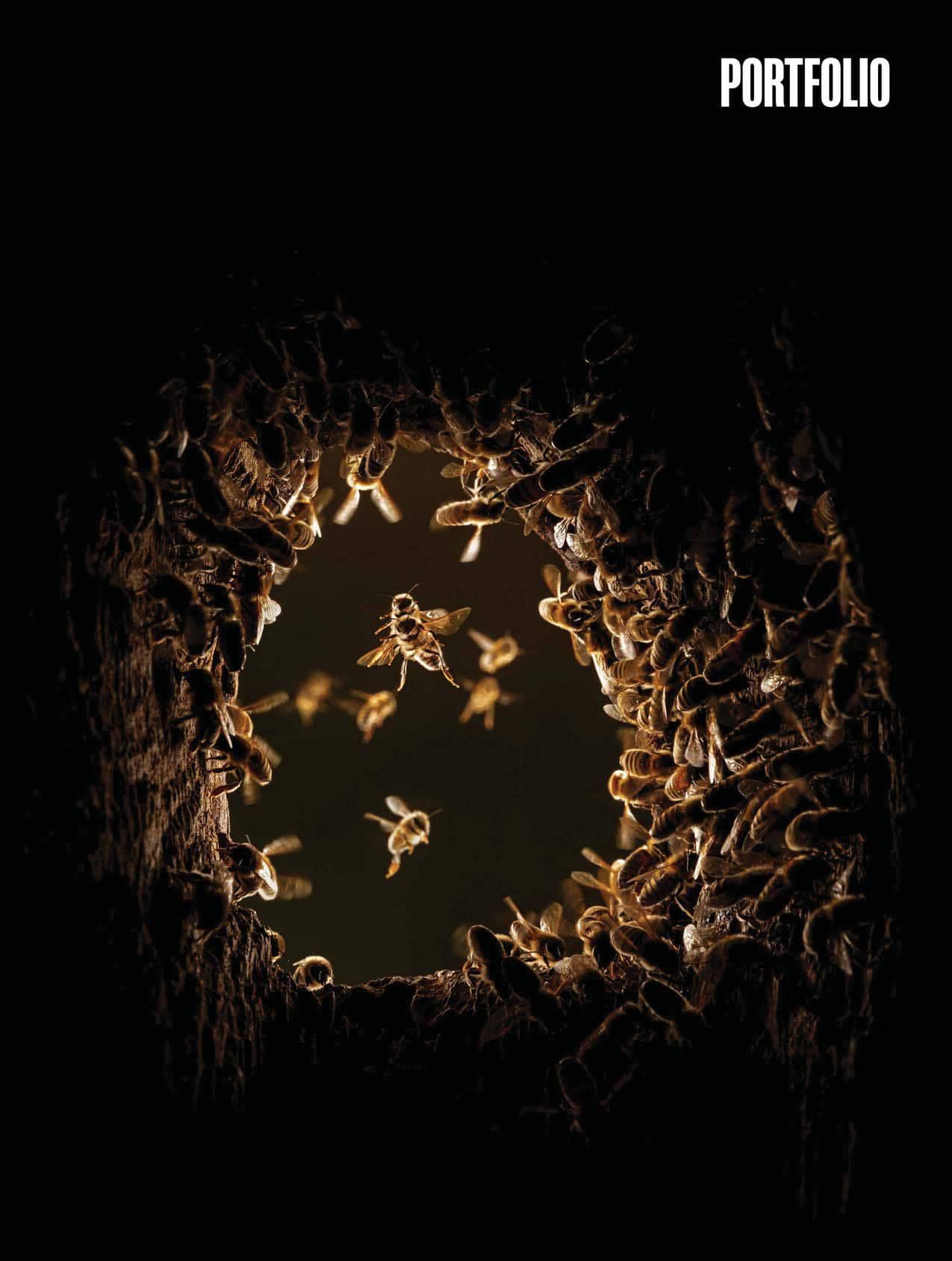
Home sweet home
A swarm arrives at a tree hollow tagged with a chemical beacon by 'scouts' to guide each bee to its new home. Swarming occurs when a hive becomes too crowded, stimulating the production of new queens. One of these will take over the colony, while the existing queen departs with thousands of her 'subjects' to establish a new nest.

このストーリーは、BBC Wildlife の April 2022 版からのものです。
Magzter GOLD を購読すると、厳選された何千ものプレミアム記事や、10,000 以上の雑誌や新聞にアクセスできます。
すでに購読者ですか? サインイン
BBC Wildlife からのその他のストーリー
BBC Wildlife
“Our canoe was nearly sunk by a hippo”
Hippos in Niger

3 mins
March 2026

BBC Wildlife
Why does Australia have such weird animals?
AUSTRALIA IS A LONG WAY FROM anywhere and has been for a very long time. The landmass definitively separated from the supercontinent of Gondwana around 40 million years ago and, since then, has existed - as a big blob in the middle of an even bigger ocean - in glorious geographical isolation.
2 mins
March 2026
BBC Wildlife
Which country has the fewest native animals?
AT AROUND 61KM² SAN MARINO, IN Europe, is one of the world's smallest countries. Entirely landlocked, it is surrounded by Italy.
1 min
March 2026

BBC Wildlife
Why do some species sunbathe?
RING-TAILED LEMURS ARE FAMED FOR their 'sun-worshipping' posture, legs and arms outstretched to reveal their pale bellies. Like humans, they do it to save energy and boost health. Sunlight is necessary to many bodily processes. As a source of vitamin D it's required to maintain bone and muscle health. It is also related to the production of serotonin, the chemical that regulates mood, sleep and stress response.
1 mins
March 2026
BBC Wildlife
ALL YOU EVER NEEDED TO KNOW ABOUT THE Piranha
PIRANHAS HAVE A REPUTATION as some of the most dangerous freshwater hunters: terrifying predators capable of devouring a large mammal in mere minutes.
3 mins
March 2026
BBC Wildlife
EAGLES LANDING
Eagle owls were once heavily persecuted. But thanks to a new initiative, these magnificent birds are reclaiming a wetland home
7 mins
March 2026
BBC Wildlife
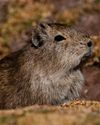
Do wild guinea pigs exist?
GUINEA PIGS, WHICH ARE NOT pigs and not from Guinea, are domesticated rodents that do not exist in the wild.
1 min
March 2026
BBC Wildlife
SNAP-CHAT: THE INSIDE WORLD OF WILDLIFE PHOTOGRAPHY
Boris Belchev on birds, batteries and battling bears with pop music
3 mins
March 2026
BBC Wildlife
Does anything live in the Bermuda Triangle?
THE BERMUDA TRIANGLE, IN THE NORTH Atlantic Ocean, has become infamous for the planes and ships that are said to have vanished without a trace while travelling through the area.
1 min
March 2026
BBC Wildlife
Do animals have different blood types?
HUMANS HAVE FOUR MAIN BLOOD GROUPS: A, B, AB and O.
1 min
March 2026
Translate
Change font size