कोशिश गोल्ड - मुक्त
Should people feed wildlife?
The Week Junior Science+Nature UK
|Issue 71
Giving food to wild animals can help them survive, but it might be harmful to their health.
-
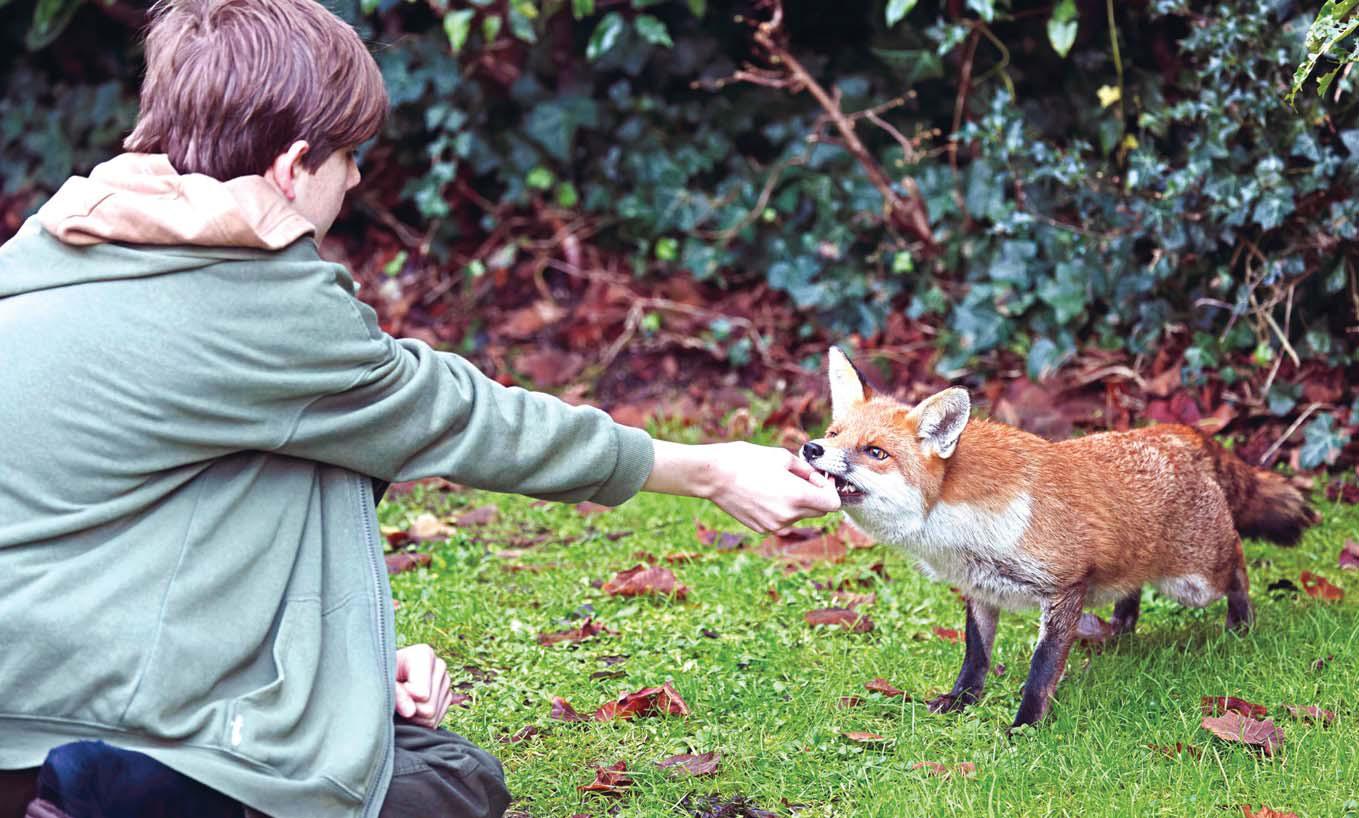
In villages, towns and cities, lots of different animals have had to adapt to living alongside humans. Badgers, birds and foxes are some examples of species that have learned how to survive in these environments. Many people enjoy seeing these animals out and about near where they live, and like to leave bits of food out for them to eat. Whether it’s seeds in a bird feeder or some tinned food left out for a fox, it’s a fun way to connect with wildlife. However, other people think it’s better to leave animals alone.
Lend a helping hand
Some times of the year are particularly tough for certain creatures. In winter when the ground is very cold and hard, or when it hasn’t rained for a long time, it’s difficult for animals like foxes and badgers to find insects and earthworms. Giving animals food can help them to get through these periods when their natural food sources are harder to find.
Leaving food out for animals may also encourage biodiversity, which is the variety of wildlife in a particular area. A study has shown that people in the UK have seen a more diverse range of bird species in their gardens since 1970, which scientists have linked to more people using bird feeders.
Connecting with nature

यह कहानी The Week Junior Science+Nature UK के Issue 71 संस्करण से ली गई है।
हजारों चुनिंदा प्रीमियम कहानियों और 10,000 से अधिक पत्रिकाओं और समाचार पत्रों तक पहुंचने के लिए मैगज़्टर गोल्ड की सदस्यता लें।
क्या आप पहले से ही ग्राहक हैं? साइन इन करें
The Week Junior Science+Nature UK से और कहानियाँ
The Week Junior Science+Nature UK
ANIMAL ISLANDS
Hop aboard as Daisy Dobrijevic sets sail to discover the world's most unusual beasts.

5 mins
March 2026
The Week Junior Science+Nature UK
Wildlife watch
Take a walk on the wild side with Jenny Ackland.
1 mins
March 2026

The Week Junior Science+Nature UK
Pushmeet Kohli
Meet the tech genius who trains the smart computers that are changing your world.
3 mins
March 2026

The Week Junior Science+Nature UK
New map reveals secrets hidden under Antarctic ice
A new map of Antarctica has A revealed thousands of hills Are revealed thousands of hills and valleys buried under its thick layers of ice.
1 min
March 2026
The Week Junior Science+Nature UK
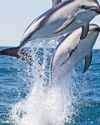
Why do dolphins jump out of the water?
Discover what makes these graceful ocean mammals leap for joy.
2 mins
March 2026
The Week Junior Science+Nature UK
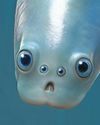
Ancient fish had four eves
Ancient vertebrates (animals that have backbones) had four eyes that worked a lot like ours, new research shows.
1 min
March 2026
The Week Junior Science+Nature UK
How? What? Why?
Set your curiosity free as Mike Rampton explains how asking questions changes the world.
5 mins
March 2026

The Week Junior Science+Nature UK
Bye-bye bitter grapefruits
Scientists have found a way to make grapefruits less bitter.
1 min
March 2026
The Week Junior Science+Nature UK
Spreading seeds of hope
Meet the scientists who are using drones to seed lost landscapes.
1 mins
March 2026
The Week Junior Science+Nature UK
Udderly brilliant cow seen using tools
A talented Austrian cow has shecked researchers by using both ends of a broom as a grooming tool.
1 min
March 2026
Listen
Translate
Change font size