
मैगज़्टर गोल्ड के साथ असीमित हो जाओ
10,000 से अधिक पत्रिकाओं, समाचार पत्रों और प्रीमियम कहानियों तक असीमित पहुंच प्राप्त करें सिर्फ
कोशिश गोल्ड - मुक्त
Selective Sound
Scientific American
|February 2026
Why do some people with schizophrenia hear voices?
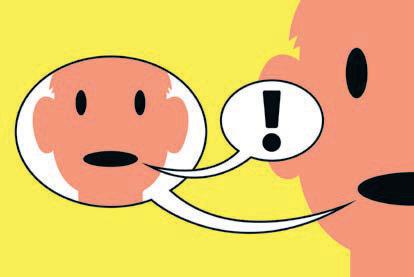
HEARING IMAGINARY VOICES is a common but mysterious feature of schizophrenia spectrum disorders. Up to 80 percent of people with these conditions experience auditory hallucinations, hearing speech or other sounds when there are none. Now research has gotten us closer to unraveling the brain mechanisms behind this phenomenon.
Experts have long thought auditory hallucinations arise from a person’s perception of their inner thoughts as real voices coming from the outside world. When people without schizophrenia speak or prepare to speak, the brain region that plans movements suppresses signals in the auditory cortex, the part of the brain that processes sound. This action helps people distinguish their own speech from external noise. Researchers theorized this mechanism could apply to healthy people’s inner speech as well—although that has been difficult to study and verify. Dysfunction in the activity between these brain regions might lead to hearing voices.
In a study published in Schizophrenia Bulletin, researchers demonstrated that inner speech indeed suppressed the brain’s auditory cortex in adults without schizophrenia. But in people with the condition who experienced auditory hallucinations, they found, inner speech boosted the auditory cortex’s response.

यह कहानी Scientific American के February 2026 संस्करण से ली गई है।
हजारों चुनिंदा प्रीमियम कहानियों और 10,000 से अधिक पत्रिकाओं और समाचार पत्रों तक पहुंचने के लिए मैगज़्टर गोल्ड की सदस्यता लें।
क्या आप पहले से ही ग्राहक हैं? साइन इन करें
Scientific American से और कहानियाँ

Scientific American
The Business of Space Weather
A company aims to offer better forecasts based on a new solar model

7 mins
April 2026

Scientific American
Mindless Sleep
Even without brains, sea anemones and jellyfish can sleep like humans do
1 min
April 2026

Scientific American
THE KIDS ARE ALL RIGHT
Young people are doing better than you think
12 mins
April 2026

Scientific American
Something in THE WATER
Pristine alpine lakes are being choked by algal blooms. The culprit is in the air
9 mins
April 2026

Scientific American
A Dose of Prevention
New alert systems and biomarkers are spotting drug- induced kidney damage early, before irreversible harm
6 mins
April 2026

Scientific American
Life on the Edge
Kidney damage can progress for years without symptoms. The newly diagnosed cope with everything from restrictive diets to the emotional and logistical toll of dialysis
9 mins
April 2026

Scientific American
Stopping an Autoimmune Attack
IgA nephropathy, a frequent cause of kidney failure, is underdiagnosed. New treatments mean it's more important now to find those who will benefit
8 mins
April 2026

Scientific American
Mindless Sleep
Even without brains, sea anemones and jellyfish can sleep like humans do
4 mins
April 2026

Scientific American
Microbes Afloat
BACTERIA AND THE VIRUSES that infect them are perpetually at war. Their deadly clashes push both kinds of microbes to evolve new traits that meet the challenges of every environment they inhabit, from the human digestive tract to the seafloor’s hydrothermal vents— and even the harsh conditions of space.
2 mins
April 2026

Scientific American
The Strangest Bloom
Research reveals how the corpse flower came by its peculiar traits
9 mins
April 2026
Listen
Translate
Change font size