कोशिश गोल्ड - मुक्त
WHAT IS VITILIGO?
How It Works UK
|Issue 204
When skin pigmentation is unevenly distributed, the result is unique patterns across the body
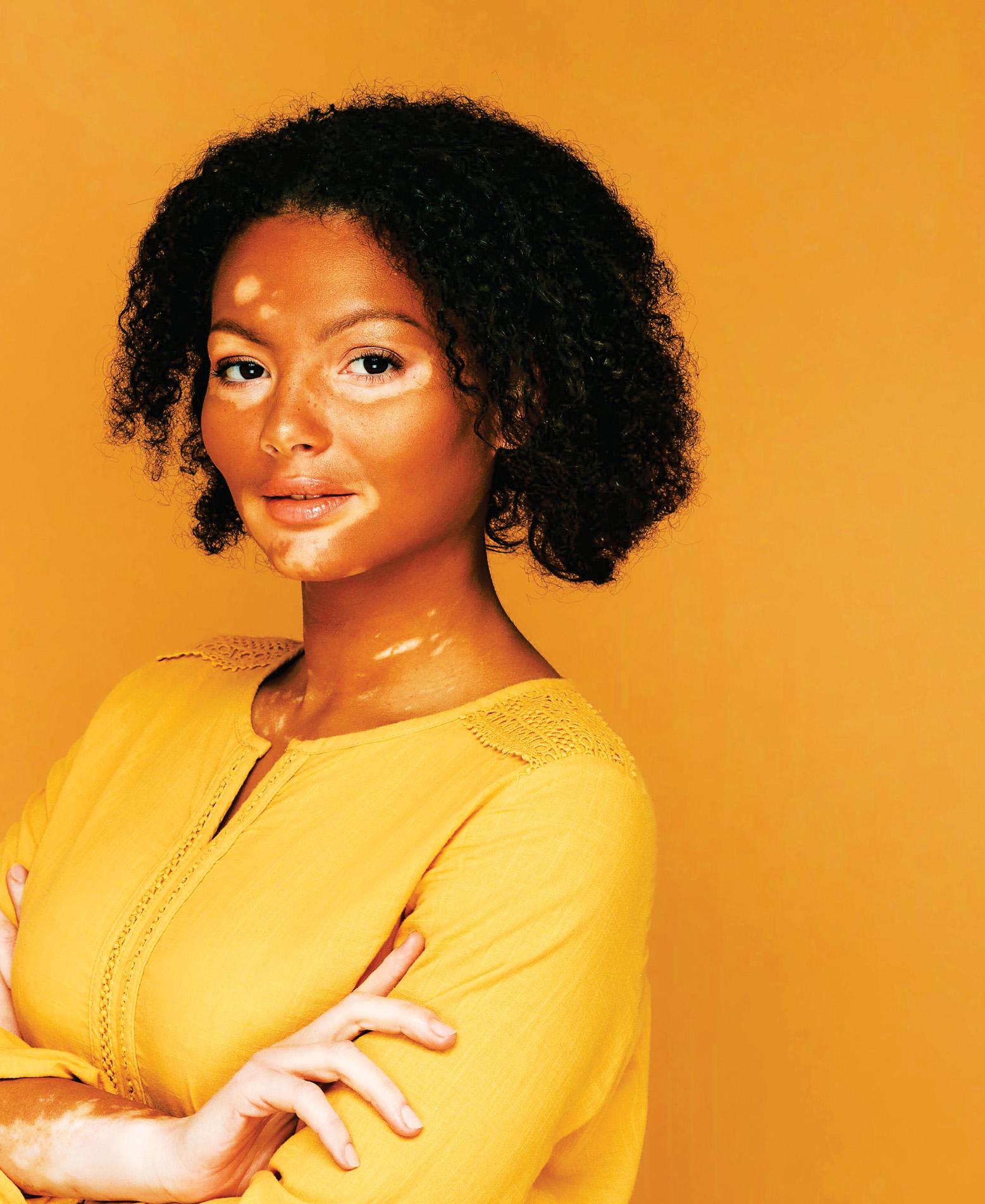
Uitiligo is a skin condition that impacts 70 million people around the world and causes patches of skin to be lighter than a person's usual skin tone. The condition is thought to be the result of an autoimmune response, which means the body's immune system wrongly targets and attacks harmless cells. In this case, the cells attacked are called melanocytes – pigment-producing cells. When melanocytes are reduced, and in some areas there are none, no melanin is released into surrounding cells, reducing colouring in the area. When these light areas of skin are less than one centimetre wide, they're called macules; they're referred to as patches when they grow larger. At the early stages of vitiligo, the skin displays just a few small macules – most commonly on the hands, forearms, feet and face - before becoming larger patches that can start to grow farther across the body. When macules become patches, they usually remain covering the same areas for many years without spreading. Meanwhile, macules are more mobile and can come and go as areas lose and regain pigm


यह कहानी How It Works UK के Issue 204 संस्करण से ली गई है।
हजारों चुनिंदा प्रीमियम कहानियों और 10,000 से अधिक पत्रिकाओं और समाचार पत्रों तक पहुंचने के लिए मैगज़्टर गोल्ड की सदस्यता लें।
क्या आप पहले से ही ग्राहक हैं? साइन इन करें
How It Works UK से और कहानियाँ

How It Works UK
FORMULA FAST
YOUR ULTIMATE GUIDE TO FORMULA ONE RACING

1 mins
Issue 212
How It Works UK
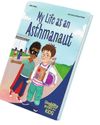
MY LIFE AS AN ASTHMANAUT
A CHILDREN'S BOOK ABOUT ASTHMA
1 min
Issue 212

How It Works UK
LYDIA LOVES BUGS
A SHORT AND SWEET STORY OF AN ENTHUSIASTIC ENTOMOLOGIST
1 min
Issue 212

How It Works UK
INSIDE A DRONE
Drones aren't just for the military any more. These flying marvels are now taking over our lives
3 mins
Issue 212

How It Works UK
WE CAN HEAR WITHOUT EARS
AND OTHER THINGS YOU DIDN'T KNOW WE PLANTS COULD DO
1 min
Issue 212

How It Works UK
DO GEESE GET GOOSEBUMPS?
Many animals experience a similar reaction when they feel cold or scared
2 mins
Issue 212

How It Works UK
SUBMARINES WITHOUT SAILORS
Dive into the world of autonomous submarines and discover the mission that will see one sail around the world
4 mins
Issue 212
How It Works UK
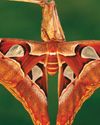
WHAT HAPPENS INSIDE A COCOON?
How certain species of insects transform from crawling caterpillars to flying moths and butterflies
3 mins
Issue 212

How It Works UK
HOW THE ROSE LOST ITS SCENT
From floral to fragranceless, there's a biological reason behind a rose's missing odour today
3 mins
Issue 212
How It Works UK
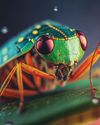
How many insects have been discovered so far?
The total number of named species is around a million.
7 mins
Issue 212
Listen
Translate
Change font size