कोशिश गोल्ड - मुक्त
WHAT IF THERE WAS NO GRAVITY?
How It Works UK
|Issue 179
How this fundamental force controls the way things move on Earth and throughout the universe

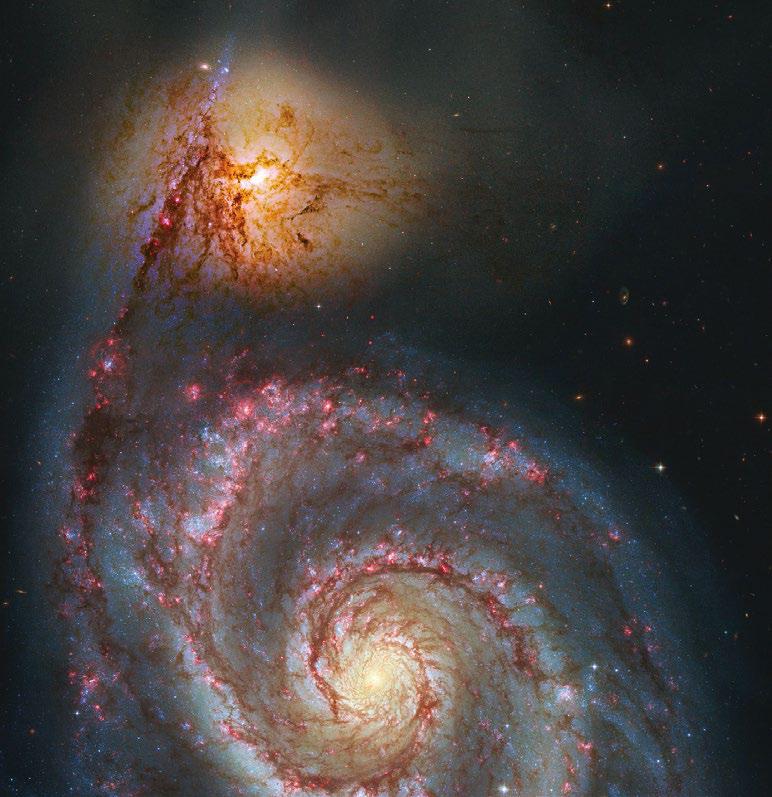
Gravity is something we all take for granted. It’s the force that holds us to the surface of the Earth and what makes things fall. But it’s much more than that, too. It’s what holds Earth together and gives the planet its roughly spherical form. It’s what keeps Earth moving in its orbit around the Sun, ensuring that we always have the heat and light we need to live. In fact, gravity is one of the most fundamental things in the universe – the force that holds everything from asteroids to galaxies together.
Gravity is one of four fundamental forces, alongside electromagnetism and the two types of nuclear force. On very small scales it’s by far the weakest of these forces, but it comes into its own at large distances. That’s because the nuclear forces have a very limited range, while electromagnetic forces tend to get cancelled out because electric charge can be either positive or negative. Gravity, on the other hand, always acts in the same direction – it’s a force of attraction, which means there’s no limit to its range. And it’s a very democratic force, operating with equal effect between any two objects having mass. For these reasons, it’s far and away the most important force governing the universe on large scales.


यह कहानी How It Works UK के Issue 179 संस्करण से ली गई है।
हजारों चुनिंदा प्रीमियम कहानियों और 10,000 से अधिक पत्रिकाओं और समाचार पत्रों तक पहुंचने के लिए मैगज़्टर गोल्ड की सदस्यता लें।
क्या आप पहले से ही ग्राहक हैं? साइन इन करें
How It Works UK से और कहानियाँ

How It Works UK
FORMULA FAST
YOUR ULTIMATE GUIDE TO FORMULA ONE RACING

1 mins
Issue 212

How It Works UK
MY LIFE AS AN ASTHMANAUT
A CHILDREN'S BOOK ABOUT ASTHMA
1 min
Issue 212

How It Works UK
LYDIA LOVES BUGS
A SHORT AND SWEET STORY OF AN ENTHUSIASTIC ENTOMOLOGIST
1 min
Issue 212

How It Works UK
INSIDE A DRONE
Drones aren't just for the military any more. These flying marvels are now taking over our lives
3 mins
Issue 212
How It Works UK
WE CAN HEAR WITHOUT EARS
AND OTHER THINGS YOU DIDN'T KNOW WE PLANTS COULD DO
1 min
Issue 212
How It Works UK
DO GEESE GET GOOSEBUMPS?
Many animals experience a similar reaction when they feel cold or scared
2 mins
Issue 212
How It Works UK
SUBMARINES WITHOUT SAILORS
Dive into the world of autonomous submarines and discover the mission that will see one sail around the world
4 mins
Issue 212
How It Works UK
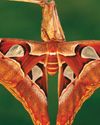
WHAT HAPPENS INSIDE A COCOON?
How certain species of insects transform from crawling caterpillars to flying moths and butterflies
3 mins
Issue 212

How It Works UK
HOW THE ROSE LOST ITS SCENT
From floral to fragranceless, there's a biological reason behind a rose's missing odour today
3 mins
Issue 212
How It Works UK
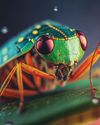
How many insects have been discovered so far?
The total number of named species is around a million.
7 mins
Issue 212
Translate
Change font size