कोशिश गोल्ड - मुक्त
URBAN WILDLIFE
How It Works UK
|Issue 194
How wild animals have evolved to thrive alongside humans in towns and cities

SCALY WINDOW SCALERS
The anole lizard of Puerto Rico once lived among the trees in dense forests. But for those whose natural habitats have been replaced by buildings, their bodies have evolved to navigate new terrain. To climb up human-made structures - often built with smooth materials such as glass - anole lizards have evolved to grow specialised scales.
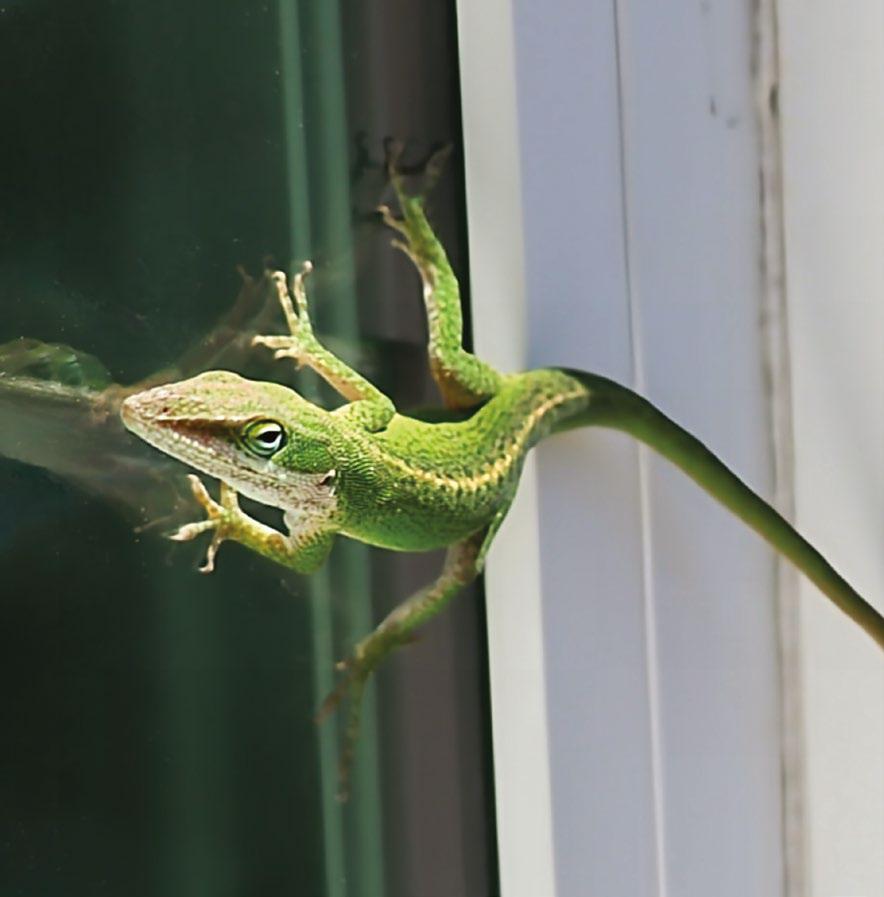 These scales are found on their feet and provide more grip to secure them to vertical windows. This isn't their only urban adaptation, as scientists discovered that they have also developed larger limbs than rural anole lizards. This helps them run faster across open areas, where trees would usually conceal them from aerial predators.
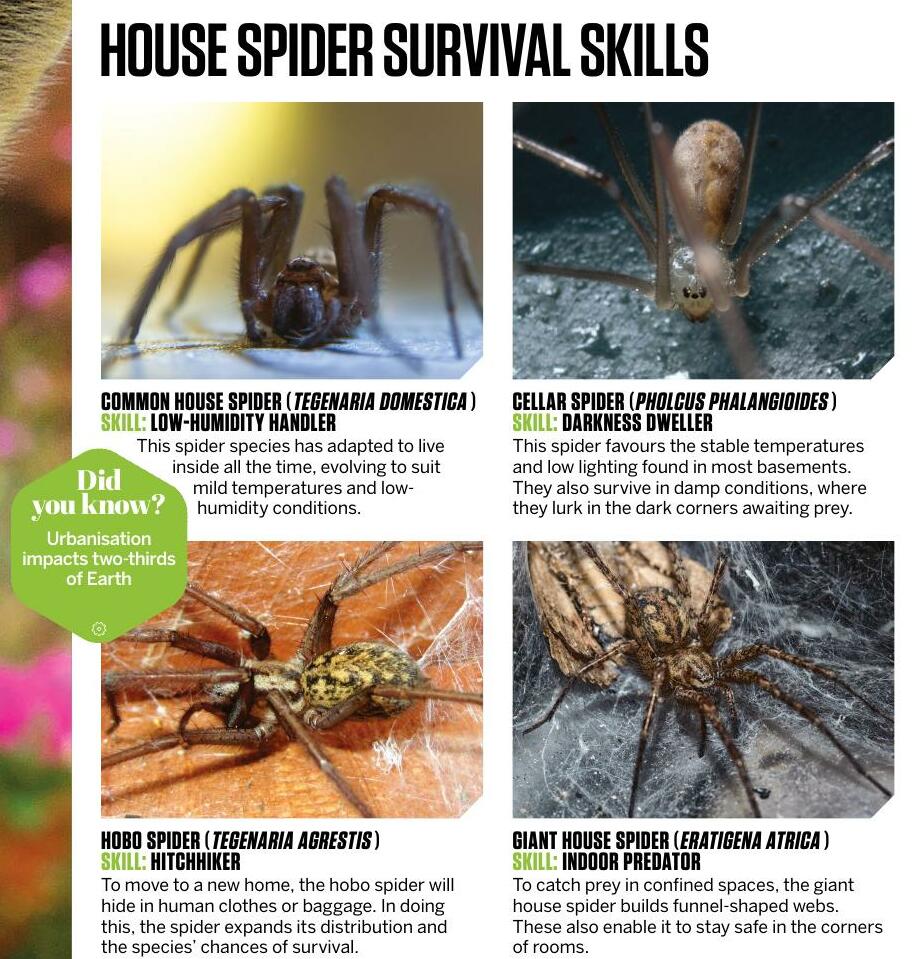 HIGH-RISE NESTING
 Usually, peregrine falcons make their nests in the soil or stones of a cliff ledge. This involves digging away at the loose gravel with their talons to make a safe hollow to lay eggs inside. In cities, however, there are sections of buildings already constructed by humans that produce a similar environment for these birds to nest in. At the top of skyscrapers, peregrine falcons have the height they seek from tall cliffs, as well as sheltered depressions in the form of gutters and walled rooftops.
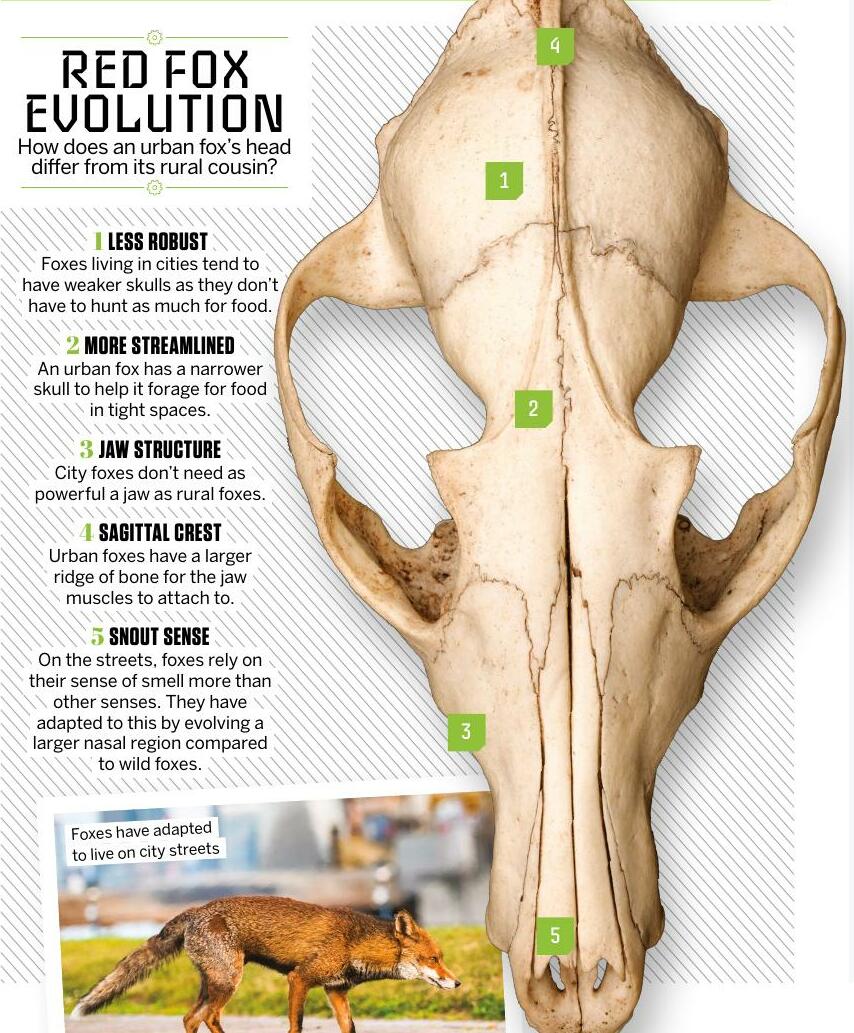

यह कहानी How It Works UK के Issue 194 संस्करण से ली गई है।
हजारों चुनिंदा प्रीमियम कहानियों और 10,000 से अधिक पत्रिकाओं और समाचार पत्रों तक पहुंचने के लिए मैगज़्टर गोल्ड की सदस्यता लें।
क्या आप पहले से ही ग्राहक हैं? साइन इन करें
How It Works UK से और कहानियाँ
How It Works UK
WHY ANIMALS PLAY DEAD
These species have mastered faking their own deaths for several different reasons

1 min
Issue 214
How It Works UK
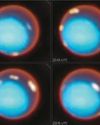
THE JAMES WEBB SPACE TELESCOPE MAPS 3D AURORAE ON URANUS
An international team of researchers has uncovered new insights into the upper atmosphere of Uranus, where ions swirling above the ice giant's clouds meet its magnetic field.
1 min
Issue 214
How It Works UK
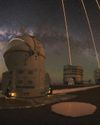
LASERS BEAM 'ARTIFICIAL STARS' INTO CHILE'S SKIES
The European Southern Observatory has released a breathtaking photo of the Milky Way shining over Paranal Observatory in Chile as lasers create artificial 'guide stars' in the dark sky above.
1 min
Issue 214

How It Works UK
WHISKERS AT WORK
How long hairs on a cat's face fine-tune their senses
2 mins
Issue 214

How It Works UK
HOW AI IMPROVES CAR SAFETY
The vehicle technology that saves lives today - and the innovations that will soon make the roads safer for everyone
4 mins
Issue 214

How It Works UK
APOLLO 17: THE LAST CREWED MOON LANDING
It's been over 50 years since the final Apollo mission, so why haven't we put astronauts on the Moon since then?
4 mins
Issue 214
How It Works UK
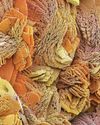
WHAT IS LIMESCALE?
Why 'hard' water leaves chalky, flaky deposits wherever it settles
2 mins
Issue 214

How It Works UK
Astronauts describe the moment a crack was discovered on their spacecraft
Chinese astronauts have described what happened when they were nearly stranded in space last year after a suspected piece of space junk struck their return capsule.
2 mins
Issue 214
How It Works UK
The Vera C. Rubin Observatory found 800,000 objects of interest in a single night
The newly commissioned Vera C. Rubin Observatory has issued 800,000 astronomy alerts in just one night, a staggering number of nightly discoveries that's expected to grow nearly tenfold by the end of this year.
2 mins
Issue 214

How It Works UK
RETURN TO THE MOON
Project Artemis is accelerating its push to put humans back on Earth's orbital dancing partner before the end of the decade
5 mins
Issue 214
Listen
Translate
Change font size