
मैगज़्टर गोल्ड के साथ असीमित हो जाओ
10,000 से अधिक पत्रिकाओं, समाचार पत्रों और प्रीमियम कहानियों तक असीमित पहुंच प्राप्त करें सिर्फ
कोशिश गोल्ड - मुक्त
India’s CRISPR feat, with borrowed tools
Down To Earth
|June 01, 2025
ICAR has developed genome-edited varieties of rice, but has used patented CRISPR technology that will entail huge costs
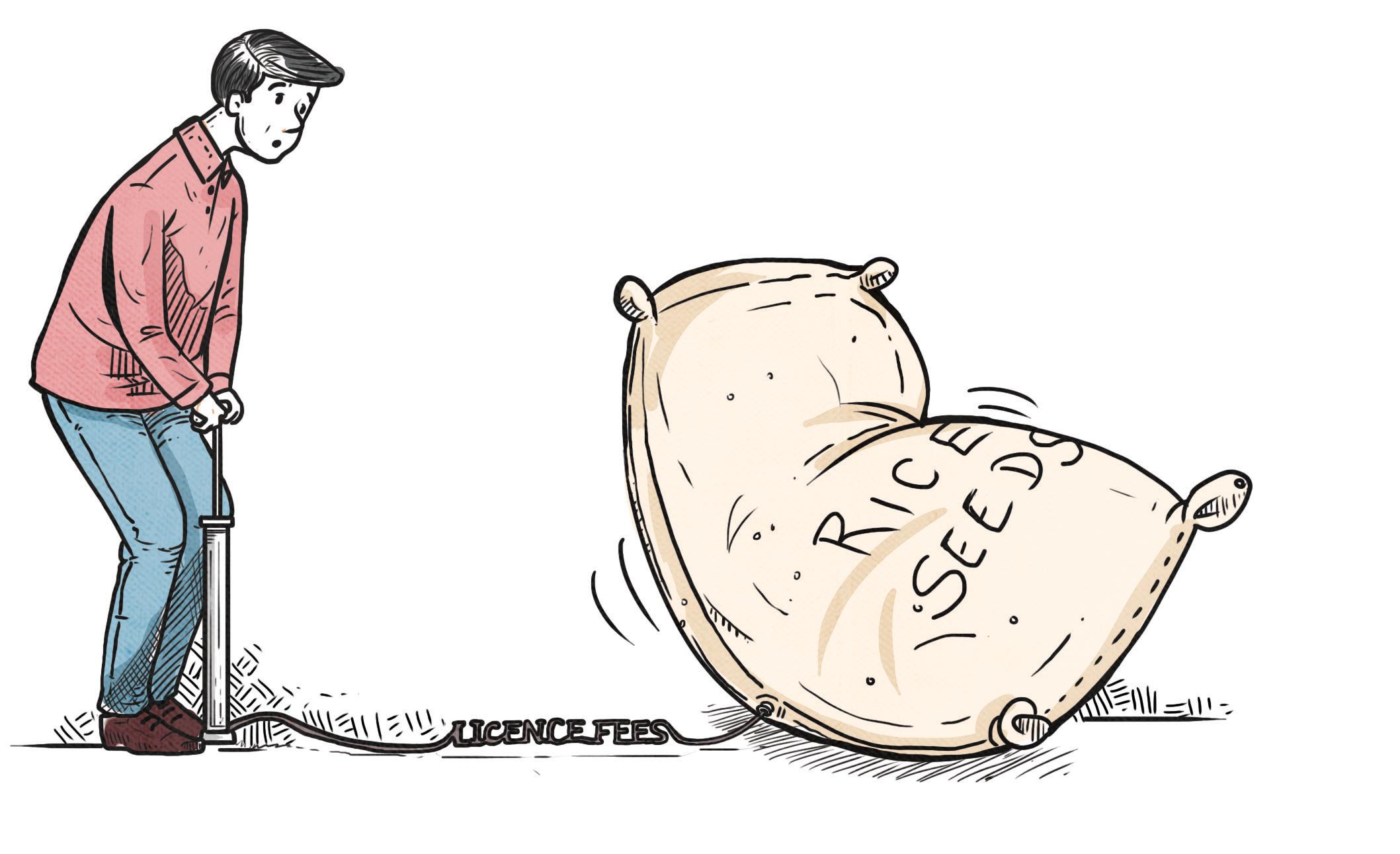
FOR AN organisation whose glory days are long past, new technology has helped the Indian Council of Agriculture (ICAR) find a place in the sun once again. In early May, ICAR, a vast organisation that employs several thousand scientists, announced that it had developed India’s first genome-edited (GE) rice varieties. All to the good, the two new rice varieties were tailored to meet the test of climate change by being drought-tolerant, faster-maturing and water-saving crops that required less nitrogen. Indeed, a historic milestone that “reflects India’s progress in cutting-edge biotechnology for sustainable agriculture and farmer welfare.” Such a pity that we have to burst this bubble; but burst it we must, since all these claims of ICAR stem from the use of borrowed technology—technology that is patented. This is problematic.
DRR Dhan 100 (Kamala) and Pusa DST Rice 1, the GE versions of already well-performing varieties, were developed by scientists at the Indian Institute of Rice Research, Hyderabad, and the Indian Agricultural Research Institute, Pusa, using CRISPR-Cas technology. CRISPR, the acronym for “clustered regularly interspaced short palindromic repeats”, is a technology that scientists use to selectively modify the DNA of living organisms. It acts as molecular scissors that can precisely cut a target DNA sequence, directed by a customisable guide. The most foundational of these technologies, CRISPR-Cas9, was discovered by Nobel Prize winners Jennifer Doudna and Emmanuelle Charpentier in 2012. It uses a guide RNA to target the desired DNA sequence and the Cas9 enzyme as molecular scissors. Charpentier’s firm ERS Genomics, based in Dublin, is the global CRISPR-Cas9 licensing leader and was awarded a patent in India in May 2022. It is this tool ICAR institutes have used in their GE rice breakthrough.

यह कहानी Down To Earth के June 01, 2025 संस्करण से ली गई है।
हजारों चुनिंदा प्रीमियम कहानियों और 10,000 से अधिक पत्रिकाओं और समाचार पत्रों तक पहुंचने के लिए मैगज़्टर गोल्ड की सदस्यता लें।
क्या आप पहले से ही ग्राहक हैं? साइन इन करें
Down To Earth से और कहानियाँ

Down To Earth
MILES TO GO
As impacts of climate change accelerate, climate finance remains trapped in incrementalism

6 mins
April 16, 2026
Down To Earth
Hope for revival of the great Indian bustard
The birth of a great Indian bustard chick in the Kutch region of Gujarat has created history in the world of conservation, reviving hope.
2 mins
April 16, 2026
Down To Earth
IN MAHUA TERRITORY
Once mahua starts to flower, every thing else takes a back seat for tribal communities in forests of central India
6 mins
April 16, 2026

Down To Earth
CAUGHT IN THE ENERGY GAP
Kitchens across rural India reflect a peculiar reality: energy is within reach but affordability remains a concern. PUJA DAS travels across 15 villages in Madhya Pradesh, Chhattisgarh and Uttar Pradesh to investigate why rural households still rely on traditional fuels like firewood, dung cakes and crop residue that pose a health risk, and why their energy bills are rising.
12 mins
April 16, 2026
Down To Earth
Lake or wetland?
While villages around Almora's Tadag Tal want the seasonal lake to be developed into a perennial waterbody, experts say the area is a wetland and should not be disturbed
5 mins
April 16, 2026
Down To Earth
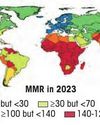
World far from curbing maternal deaths
INDIA HAS cut its maternal mortality ratio (MMR) by 80 per cent since 1990, according to a recent analysis published in The Lancet.
1 min
April 16, 2026
Down To Earth
Energy in times of war
THE DISASTROUS US-Israel war against Iran has disrupted energy supply across the world. Governments in both rich and poor countries are warning their people of dire times ahead, unlike anything seen before by this generation: acute energy scarcity, rationing and even the prospect of cars and aeroplanes running out of fuel. The question is what will the future energy map look like?
3 mins
April 16, 2026

Down To Earth
Unfinished business
Land consolidation is globally considered a critical component of land reforms and holds the key to improve agrarian productivity. But it is yet to be undertaken in meaningful ways in most parts of the country, reports
6 mins
April 16, 2026

Down To Earth
Roots of revival
Chhattisgarh's Baiga community mounts conservation efforts to keep alive a traditional art form at risk of vanishing due to ecological changes
2 mins
April 16, 2026
Down To Earth
A mass human capital loss
ADULT HEIGHT across countries, including India, is no longer increasing.
2 mins
April 16, 2026
Listen
Translate
Change font size