
मैगज़्टर गोल्ड के साथ असीमित हो जाओ
10,000 से अधिक पत्रिकाओं, समाचार पत्रों और प्रीमियम कहानियों तक असीमित पहुंच प्राप्त करें सिर्फ
कोशिश गोल्ड - मुक्त
Genetic rescue
Down To Earth
|October 16, 2024
Odisha to introduce two female tigers to Similipal forests to improve genetic diversity of its melanistic tiger population

FOR DECADES, dense forests of the Similipal Tiger Reserve in Odisha have been home to a unique population of melanistic tigers. These rare big cats, distinguished by their thick, dark stripes that often merge into a “black” appearance, have roamed freely here. The reserve is the only habitat in the world where these pseudomelanistic tigers are found, making it a stronghold for their conservation.
Despite their rarity, a rise in the population of these pseudo-melanistic tigers in recent years has sparked concern of inbreeding depression, a condition where animals can experience reduced fitness and increased susceptibility to diseases, eventually leading to population decline or extinction.
In an effort to boost genetic diversity and avoid inbreeding, the Odisha forest department plans to introduce two new female tigers to the reserve. If successful, this will mark a significant step in safeguarding the long-term health and viability of Similipal’s unique tiger population.
In the “All India Tiger Estimation-2014”, the reserve recorded five tigers, of which only one was male. “The lone male tiger was pseudomelanistic and it mated with other female wildcats, thus transferring the trait,” says Prakash Chand Gogineni, field director at Baripada forest circle in Odisha.
By 2024, tiger number in the reserve grew to 24 adults, as per the “All Odisha Tiger Estimation 2023-24”, released by the state’s forest and environment department this February. Of these, 13 are pseudo-melanistic, with six males, states the report. “This means almost 60 per cent of the current population exhibit melanism,” says Gogineni. A 2020 study published in the Proceedings of the National Academy of Sciences identifies a mutation in the Taqpep gene (Transmembrane Amino-peptidase Q) as responsible for this pseudomelanism, likely because of the genetic isolation of the population.


यह कहानी Down To Earth के October 16, 2024 संस्करण से ली गई है।
हजारों चुनिंदा प्रीमियम कहानियों और 10,000 से अधिक पत्रिकाओं और समाचार पत्रों तक पहुंचने के लिए मैगज़्टर गोल्ड की सदस्यता लें।
क्या आप पहले से ही ग्राहक हैं? साइन इन करें
Down To Earth से और कहानियाँ

Down To Earth
MILES TO GO
As impacts of climate change accelerate, climate finance remains trapped in incrementalism

6 mins
April 16, 2026
Down To Earth
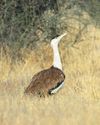
Hope for revival of the great Indian bustard
The birth of a great Indian bustard chick in the Kutch region of Gujarat has created history in the world of conservation, reviving hope.
2 mins
April 16, 2026
Down To Earth
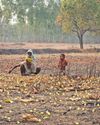
IN MAHUA TERRITORY
Once mahua starts to flower, every thing else takes a back seat for tribal communities in forests of central India
6 mins
April 16, 2026

Down To Earth
CAUGHT IN THE ENERGY GAP
Kitchens across rural India reflect a peculiar reality: energy is within reach but affordability remains a concern. PUJA DAS travels across 15 villages in Madhya Pradesh, Chhattisgarh and Uttar Pradesh to investigate why rural households still rely on traditional fuels like firewood, dung cakes and crop residue that pose a health risk, and why their energy bills are rising.
12 mins
April 16, 2026
Down To Earth
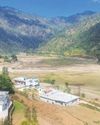
Lake or wetland?
While villages around Almora's Tadag Tal want the seasonal lake to be developed into a perennial waterbody, experts say the area is a wetland and should not be disturbed
5 mins
April 16, 2026
Down To Earth
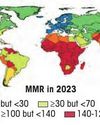
World far from curbing maternal deaths
INDIA HAS cut its maternal mortality ratio (MMR) by 80 per cent since 1990, according to a recent analysis published in The Lancet.
1 min
April 16, 2026
Down To Earth
Energy in times of war
THE DISASTROUS US-Israel war against Iran has disrupted energy supply across the world. Governments in both rich and poor countries are warning their people of dire times ahead, unlike anything seen before by this generation: acute energy scarcity, rationing and even the prospect of cars and aeroplanes running out of fuel. The question is what will the future energy map look like?
3 mins
April 16, 2026
Down To Earth
Unfinished business
Land consolidation is globally considered a critical component of land reforms and holds the key to improve agrarian productivity. But it is yet to be undertaken in meaningful ways in most parts of the country, reports
6 mins
April 16, 2026

Down To Earth
Roots of revival
Chhattisgarh's Baiga community mounts conservation efforts to keep alive a traditional art form at risk of vanishing due to ecological changes
2 mins
April 16, 2026
Down To Earth
A mass human capital loss
ADULT HEIGHT across countries, including India, is no longer increasing.
2 mins
April 16, 2026
Listen
Translate
Change font size