कोशिश गोल्ड - मुक्त
DeepSeek AI model is a sobering idea for India
Down To Earth
|February 16, 2025
The Chinese artificial intelligence breakthrough reveals how far behind India is in the race for technological prowess
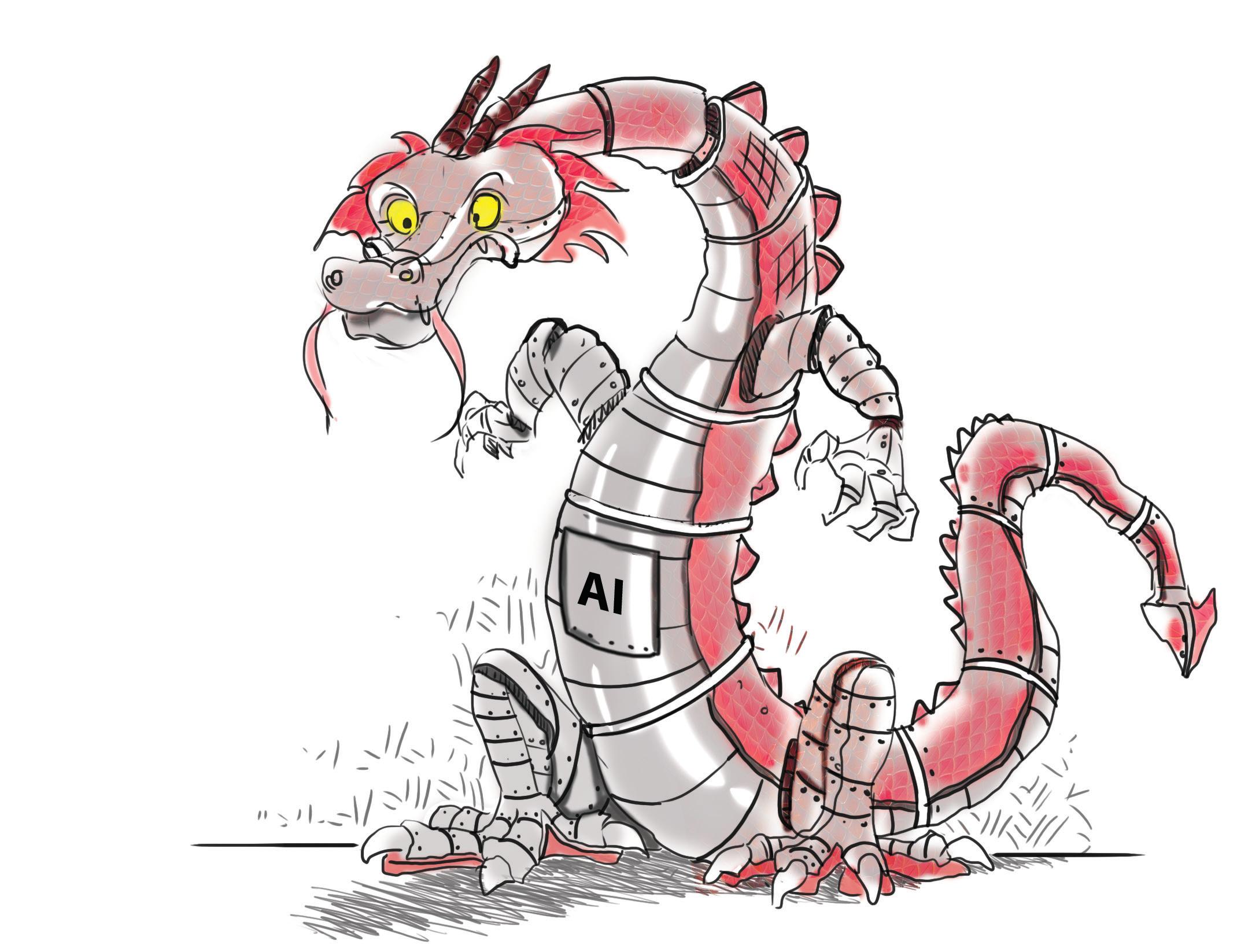
CHINA'S TECHNOLOGICAL breakthroughs tend to create headlines; and as they burst onto the scene, a befuddled world is usually asking how it was done. But nothing has been as spectacular as the emergence of the DeepSeek artificial intelligence (AI) model that was developed by a young hedge fund manager on a slender budget in Hangzhou, and is just two years old. We are familiar with the wide swathe of destruction it unleashed in the US, shaving off nearly US $1 trillion from the market value of the big guns like AI Open, Nvidia and a host of other players. The shock and awe worldwide was unparalleled, prompting the head of a stellar Big Tech company to hail the debut of the Chinese startup's R1 model—R stands for reasoning—as "impressive". Another termed it "the most amazing and impressive breakthroughs" he had ever seen.
But what of India? I was keen to know what the country made of DeepSeek, particularly because it was a puny David that had taken on the titans of the tech industry like Open AI. As a rule, the Indian government tends to ignore any news demonstrating China's technological prowess but makes what are patently delusional claims about its own progress. If pressed for answers, ministers usually claim that India would soon be a leader in some technology or the other with vague claims that are seldom questioned by the media. In 2022, for instance, the then Union telecom minister Ashwini Vaishnaw claimed at a very late launch of 5G in the country that Indian developers had many of the technologies required for development of 6G, and that the country would soon be a leader in the next-generation network since they held many patents in this field. This was stated when India was still playing catch-up on 5G with the rest of the world (see "India patently way behind on 5G", Down To Earth, 16-31 October, 2022).


यह कहानी Down To Earth के February 16, 2025 संस्करण से ली गई है।
हजारों चुनिंदा प्रीमियम कहानियों और 10,000 से अधिक पत्रिकाओं और समाचार पत्रों तक पहुंचने के लिए मैगज़्टर गोल्ड की सदस्यता लें।
क्या आप पहले से ही ग्राहक हैं? साइन इन करें
Down To Earth से और कहानियाँ

Down To Earth
BEYOND COLLATERAL DAMAGE
Recent geopolitical conflicts are urging a reconsideration of what constitutes environmental harm in war and the limits of existing legal frameworks

3 mins
April 01, 2026

Down To Earth
Masterstroke
Residents of a small Kerala town reject an inadequate state-led development blueprint and create their own master plan that prioritises protection of historic water systems and urban commons
4 mins
April 01, 2026

Down To Earth
Rethinking E20
It is pertinent to explore potential of ethanol as high-value industrial feedstock
4 mins
April 01, 2026
Down To Earth
Food in the age of climate change
WHEN WE eat, we contribute to climate change. But food is also about livelihoods, about nutrition and about nature.
3 mins
April 01, 2026

Down To Earth
FADING WINTER
India's winters are warming, becoming shorter, shifting and spilling beyond their traditional bounds. The consequences are already evident in meltwater availability, forest-fire intensity and changes in flowering cycles and insect behaviour.
20 mins
April 01, 2026

Down To Earth
War on Iran strikes India's pharmaceuticals sector
Shortages of critical raw materials and rising input costs for the drug industry will have global consequences
4 mins
April 01, 2026

Down To Earth
POWER IN AN AGE OF INSECURITY
Energy transition is no longer solely about emission reduction but also about energy security
3 mins
April 01, 2026
Down To Earth
Re-discovery of fuelwood
THE WEST Asia conflict has made visible a multi-billion dollar energy market in India.
2 mins
April 01, 2026

Down To Earth
A CASE THAT RESHAPED INDIA'S ENVIRONMENT
The case of MC Mehta v Union of India stands as proof that a proactive judiciary can accelerate action even when the executive drags its feet
4 mins
April 01, 2026

Down To Earth
FOREVER DEPENDENT
India depends on global fertiliser supply chains for 70 per cent of its needs, leaving its food security exposed to geopolitical disruptions
6 mins
April 01, 2026
Listen
Translate
Change font size