
मैगज़्टर गोल्ड के साथ असीमित हो जाओ
10,000 से अधिक पत्रिकाओं, समाचार पत्रों और प्रीमियम कहानियों तक असीमित पहुंच प्राप्त करें सिर्फ
कोशिश गोल्ड - मुक्त
First date with a DSLR
BBC Sky at Night Magazine
|February 2023
Taking nightscapes and Star trails with a DSLR camera Is a great way to get started In astrophotography. Stuart Atkinson gives his best tips for beginners
-
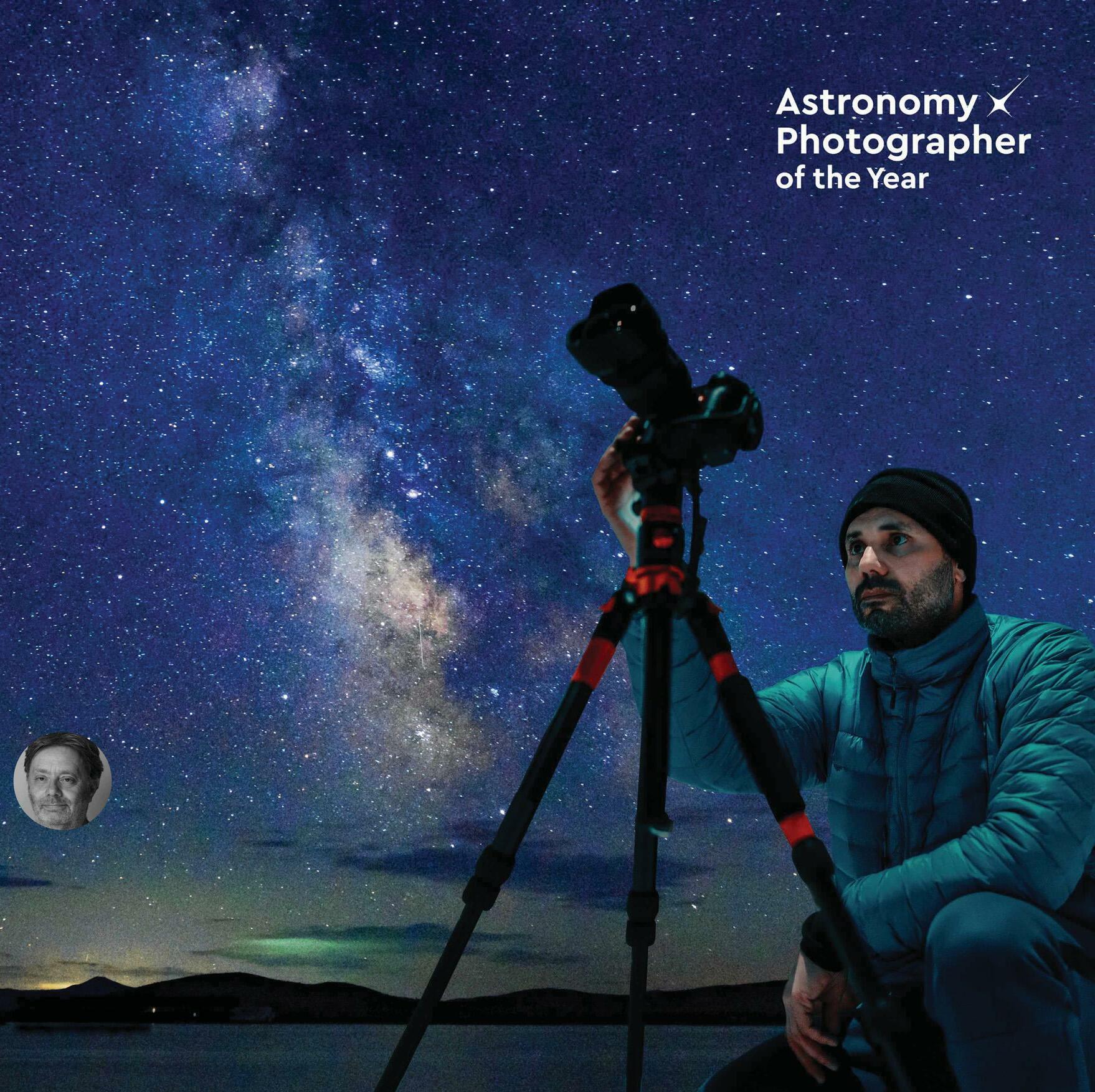
The cameras that are built in our smartphones are incredible pieces of technology. Today, many people use their smartphone cameras to capture images of the night sky using 'Night' or 'Low Light' settings, or even dedicated apps. These are great for photos of bright things, such as lunar haloes, planetary conjunctions, and bright comets, but eventually, anyone wanting to take astrophotos of constellations, nebulae, and other celestial delights will have to consider a better option. They need to bite the bullet and buy what many people still consider 'a proper camera' - a DSLR, or Digital Single Lens Reflex camera.
The only problem is, then they have to use it...
This feature is going to take you by the hand and lead you gently through the minefield of taking and processing your very first astrophotos. After that, you can start experimenting with settings and composition to make your photos even better.
There's no better time to make a start, as the Astronomy Photographer of the Year Awards 2023 has just opened for entries. The awards have a special prize for newcomers who have only recently started taking astrophotos - perhaps one of yours could be the one to take home the prize.
But first, let's get started with your first photo!
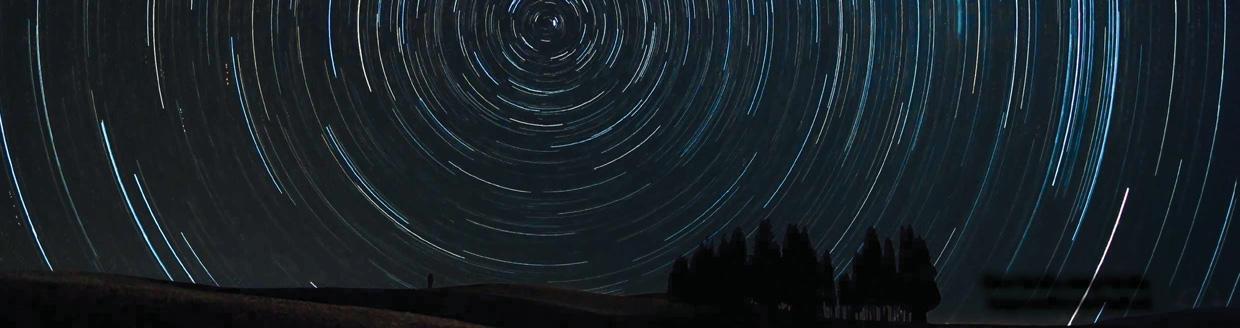
Setting up your equipment
Getting the right kit is key to getting a good first photo


यह कहानी BBC Sky at Night Magazine के February 2023 संस्करण से ली गई है।
हजारों चुनिंदा प्रीमियम कहानियों और 10,000 से अधिक पत्रिकाओं और समाचार पत्रों तक पहुंचने के लिए मैगज़्टर गोल्ड की सदस्यता लें।
क्या आप पहले से ही ग्राहक हैं? साइन इन करें
BBC Sky at Night Magazine से और कहानियाँ

BBC Sky at Night Magazine
Crush: Close Encounters with Gravity
Gravity is something that we're all innately familiar with. It keeps our feet on the ground, fights against a rocket trying to leave Earth and governs the movement of the planets and stars.

1 mins
April 2026

BBC Sky at Night Magazine
Exploring the Universe
There's no shortage of children's books about astronomy.
2 mins
April 2026
BBC Sky at Night Magazine
Make your Milky Way images pop
Simple, free processing techniques using FastStone Image Viewer
3 mins
April 2026

BBC Sky at Night Magazine
Nightfaring: In Search of the Disappearing Darkness
This book is a manifesto for dark skies, written as a travel memoir.
1 mins
April 2026
BBC Sky at Night Magazine
Flying saucers- The making of a modern myth
Our obsession with UFOs goes back further than you might think. Robert Pateman traces how early science fiction, dubious sightings and an alien-mad media led to the 1950s saucer fever
9 mins
April 2026
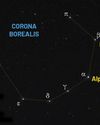
BBC Sky at Night Magazine
STAR OF THE MONTH
Alphecca, the brightest jewel in the Crown
1 min
April 2026
BBC Sky at Night Magazine
How to use a planisphere
Navigate the sky with the original stargazer's tool. No batteries, apps or Wi-Fi required!
3 mins
April 2026
BBC Sky at Night Magazine
Why rockets don't launch straight up
For a rocket to get its payload into space, it has to follow a curved path. But what would happen if it didn't?
2 mins
April 2026
BBC Sky at Night Magazine
Q&A WITH A DARK MATTER SPECIALIST
Dark matter makes up 27 per cent of all matter in the Universe. So why is it so hard to find? Meet one of the people making a map that leads us to it
3 mins
April 2026

BBC Sky at Night Magazine
Why I want to put a hotel on the Moon
Bored of the beach? Sick of city breaks? Step this way. Space entrepreneur Skyler Chan explains how he'll build a holiday destination on the Moon by 2030
2 mins
April 2026
Translate
Change font size