कोशिश गोल्ड - मुक्त
PROTECT YOURSELF BEFORE YOU WRECK YOURSELF
BBC Science Focus
|December 2025
Combine the cold and dark of winter with the indulgence of the holiday season, and you have the ideal conditions for illness to strike. But there are ways to bolster your body's defences ahead of the onslaught - ways that rely on science's evolving understanding of our immune system

Winter is the busiest season for your immune system. An onslaught of cold air, close contact and a crowded calendar that includes a party season filled with late nights, large meals and, possibly, a little too much liquor. Most of us only consider our immune systems when something goes wrong: the scratch in the throat, the fatigue, the inconvenient cold that hits just as the year speeds towards its end. We put it down to the chill in the air or 'bugs going around'. But those symptoms are an expression of one of the body's most astonishing networks, a mindbogglingly complex system that's sensing, learning and adapting every moment we're alive.
Far from being a simple 'shield', the immune system is a living memory bank, a communication web between every organ, microbe and emotion. It doesn't just decide when to fight off illnesses; it decides when not to fight, conserving energy for the long winter ahead. And while the last season of the year brings the usual culprits, namely viruses, low light and less movement, it also stirs a deeper biological shift: one shaped by our evolution, way before the mismatch between our biology and our modern lives started.
So yes, the cold air and the flurry of social gatherings matter when it comes to staying healthy. But so does our sleep, our stress levels, our diet and even our state of mind. Each acts as a signal, nudging immunity towards harmony or chaos. Winter, it turns out, isn't just 'cold and flu season'; it's the ultimate test of how well our internal and external worlds stay in sync.
SEASONAL CHANGES
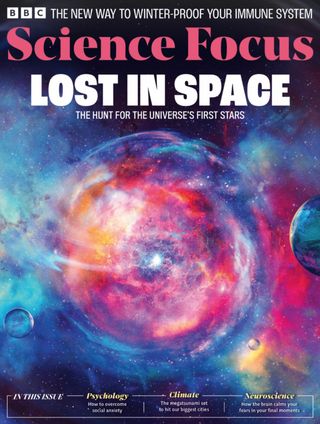

यह कहानी BBC Science Focus के December 2025 संस्करण से ली गई है।
हजारों चुनिंदा प्रीमियम कहानियों और 10,000 से अधिक पत्रिकाओं और समाचार पत्रों तक पहुंचने के लिए मैगज़्टर गोल्ड की सदस्यता लें।
क्या आप पहले से ही ग्राहक हैं? साइन इन करें
BBC Science Focus से और कहानियाँ

BBC Science Focus
DOES MY DOG HAVE ADHD?
Officially, Attention-Deficit Hyperactivity Disorder (ADHD) is a human condition. People are diagnosed with it. Dogs are not. Yet many of its core features, including hyperactivity, impulsivity and distractibility, can be found in dogs.

1 min
March 2026

BBC Science Focus
DOES MY BRAIN LIVE A LITTLE IN THE PAST?
Yes, your brain does live a little in the past. It can't help it. The information it receives via your senses is always a little out of date. Whether it's light entering the retinas in your eyes, or sounds vibrating the hairs in your ears, it not only takes time for the data to arrive, but your brain then has to process it.
2 mins
March 2026

BBC Science Focus
ASTRONOMY FOR BEGINNERS
RETURN OF THE EVENING STAR (VENUS)
1 mins
March 2026

BBC Science Focus
CAN YOU STOP YOUR SENSE OF TASTE DULLING AS YOU AGE?
Sometimes I hear people say that food just doesn't taste the same as they get older. It's tempting to blame this on age, but there are other factors at play, too.
1 mins
March 2026
BBC Science Focus
MICROBIOMES OF THE SUPERAGERS
BY STUDYING THE INCREASING NUMBER OF PEOPLE WHO ARE LIVING BEYOND THEIR 100TH BIRTHDAYS, SCIENTISTS ARE DISCOVERING THAT THE SECRET TO REACHING A RIPE OLD AGE IN RUDE HEALTH MIGHT LIE IN OUR GUTS
8 mins
March 2026

BBC Science Focus
HOW BIG WERE MEDIEVAL WAR HORSES?
You might picture knights charging into battle on towering steeds, but medieval horses were typically no bigger than modern-day ponies.
1 min
March 2026

BBC Science Focus
FORCES OF HABIT
Could new research on setting up healthy habits resuscitate those stuttering New Year resolutions?
3 mins
March 2026

BBC Science Focus
5 DANGERS HIDING IN YOUR PROCESSED FOOD
We all know that ultra-processed foods are bad for us, but what ingredients should we particularly try to avoid? And what are they doing to our bodies?
9 mins
March 2026

BBC Science Focus
Mosquitoes are becoming thirstier for human blood
Habitat loss may be pushing mosquitoes towards human hosts with deadly consequences
1 mins
March 2026

BBC Science Focus
HOW CAN I GET OVER MY EX?
Relationship breakups can be brutal, just look at the popularity of songs like 'Someone Like You' by Adele, or all the covers of 'Cry Me a River' by Julie London.
1 mins
March 2026
Listen
Translate
Change font size