कोशिश गोल्ड - मुक्त
NATURE'S REAL-LIFE VAMPIRES
BBC Science Focus
|October 2022
Count Dracula... Lestat de Lioncourt... Laszlo... all these vampires have got oodles of charisma, natty dress sense and an intriguing backstory. But the problem is, they're fictional. We reckon the animal kingdom can do a lot better. Suck on this...

Millions of years ago, sometime during the dinosaur era, ancient arthropods experimented with an unusual new diet: blood. Those ancestors of today's mosquitoes, ticks and bedbugs were some of the first, but certainly not the last, to try haematophagy.
Though relatively rare as far as diets go, haematophagy or blood-feeding - isn't something that evolved once, or even in a small collection of closely-related animals. Haematophagy evolved independently at least 20 times in arthropods alone, as well as in a bunch of worms, some fish, and a few birds and mammals. Despite all this diversity in animal form, each coven of vampires had to tackle similar problems to refine their grisly lifestyle.
THE RED STUFF
A diet as specialised as blood, a renewable but not easily accessible resource, doesn't appear out of nowhere. Mouthparts originally used for piercing or cutting other food, like plants, gave prototype blood-feeders a head start. Many were also fortunate to live in the right place, on and around potential hosts, as scavengers, parasites, or even predators. Supported by these 'pre-adaptations', it was perhaps only a matter of time before some creature struck blood, discovering deep wells of untapped sustenance flowing just beneath the skin, like a Cretaceous-era oil prospector.
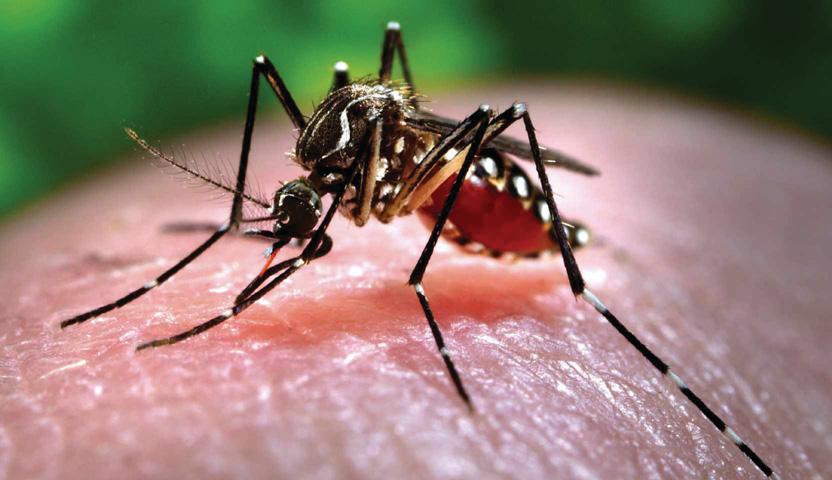
But unlike oil, which is the essence of squished and melted carcasses, blood is alive. It's always moving, shuttling essential nutrients, oxygen, and everything else around the body. It's full of electrolytes and protein, making it a better diet than the plant juices and waste that 'pre-blood-feeders' would have sustained themselves on.


यह कहानी BBC Science Focus के October 2022 संस्करण से ली गई है।
हजारों चुनिंदा प्रीमियम कहानियों और 10,000 से अधिक पत्रिकाओं और समाचार पत्रों तक पहुंचने के लिए मैगज़्टर गोल्ड की सदस्यता लें।
क्या आप पहले से ही ग्राहक हैं? साइन इन करें
BBC Science Focus से और कहानियाँ

BBC Science Focus
DOES MY DOG HAVE ADHD?
Officially, Attention-Deficit Hyperactivity Disorder (ADHD) is a human condition. People are diagnosed with it. Dogs are not. Yet many of its core features, including hyperactivity, impulsivity and distractibility, can be found in dogs.

1 min
March 2026

BBC Science Focus
DOES MY BRAIN LIVE A LITTLE IN THE PAST?
Yes, your brain does live a little in the past. It can't help it. The information it receives via your senses is always a little out of date. Whether it's light entering the retinas in your eyes, or sounds vibrating the hairs in your ears, it not only takes time for the data to arrive, but your brain then has to process it.
2 mins
March 2026

BBC Science Focus
ASTRONOMY FOR BEGINNERS
RETURN OF THE EVENING STAR (VENUS)
1 mins
March 2026

BBC Science Focus
CAN YOU STOP YOUR SENSE OF TASTE DULLING AS YOU AGE?
Sometimes I hear people say that food just doesn't taste the same as they get older. It's tempting to blame this on age, but there are other factors at play, too.
1 mins
March 2026
BBC Science Focus
MICROBIOMES OF THE SUPERAGERS
BY STUDYING THE INCREASING NUMBER OF PEOPLE WHO ARE LIVING BEYOND THEIR 100TH BIRTHDAYS, SCIENTISTS ARE DISCOVERING THAT THE SECRET TO REACHING A RIPE OLD AGE IN RUDE HEALTH MIGHT LIE IN OUR GUTS
8 mins
March 2026

BBC Science Focus
HOW BIG WERE MEDIEVAL WAR HORSES?
You might picture knights charging into battle on towering steeds, but medieval horses were typically no bigger than modern-day ponies.
1 min
March 2026
BBC Science Focus
FORCES OF HABIT
Could new research on setting up healthy habits resuscitate those stuttering New Year resolutions?
3 mins
March 2026

BBC Science Focus
5 DANGERS HIDING IN YOUR PROCESSED FOOD
We all know that ultra-processed foods are bad for us, but what ingredients should we particularly try to avoid? And what are they doing to our bodies?
9 mins
March 2026
BBC Science Focus
Mosquitoes are becoming thirstier for human blood
Habitat loss may be pushing mosquitoes towards human hosts with deadly consequences
1 mins
March 2026

BBC Science Focus
HOW CAN I GET OVER MY EX?
Relationship breakups can be brutal, just look at the popularity of songs like 'Someone Like You' by Adele, or all the covers of 'Cry Me a River' by Julie London.
1 mins
March 2026
Translate
Change font size