कोशिश गोल्ड - मुक्त
HOW TO THINK BATIONALLY ABOUT AI
BBC Science Focus
|July 2023
The entire planet is hooked on the conversation about Al and its sinister future. But, if you ask those in the know (and we have) our future with machines looks entirely different to what the world's CEOs would have us believe. Here's how to stop worrying and, maybe, learn to love AI...
-

IS AI OUT OF CONTROL?
AI can do impressive things, but even the experts say it poses a very real threat to us. So should we put a hold on its development or is it already too late?

Many of the world’s leading voices in artificial intelligence have begun to express fears about the technology. They include two of the so-called ‘Godfathers of AI’ – Dr Geoffrey Hinton and Prof Yoshua Bengio, who both played a significant role in its development.
Hinton shocked the AI world in May by quitting his role as one of Google’s vice-presidents and engineering fellows, citing his concerns about the risks the tech could pose to humanity through the spread of misinformation. He even said he harbours some degree of regret regarding his contributions to the field.
Similarly, Nobel Prize-winning computer scientist Bengio recently told the BBC that he has been surprised by the speed that AI has evolved and felt ‘lost’ when looking back at his life’s work.
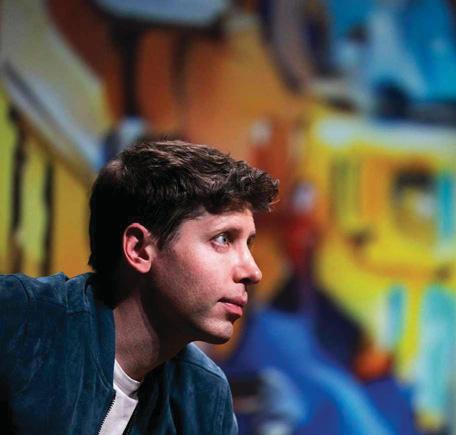
Both have called for international regulations to enable us to keep tabs on the development of AI. Unfortunately, due to the fast pace at which the tech develops and the opaque ‘black box’ nature around how much of it operates, it’s much more difficult than it sounds.


यह कहानी BBC Science Focus के July 2023 संस्करण से ली गई है।
हजारों चुनिंदा प्रीमियम कहानियों और 10,000 से अधिक पत्रिकाओं और समाचार पत्रों तक पहुंचने के लिए मैगज़्टर गोल्ड की सदस्यता लें।
क्या आप पहले से ही ग्राहक हैं? साइन इन करें
BBC Science Focus से और कहानियाँ

BBC Science Focus
DOES MY DOG HAVE ADHD?
Officially, Attention-Deficit Hyperactivity Disorder (ADHD) is a human condition. People are diagnosed with it. Dogs are not. Yet many of its core features, including hyperactivity, impulsivity and distractibility, can be found in dogs.

1 min
March 2026

BBC Science Focus
DOES MY BRAIN LIVE A LITTLE IN THE PAST?
Yes, your brain does live a little in the past. It can't help it. The information it receives via your senses is always a little out of date. Whether it's light entering the retinas in your eyes, or sounds vibrating the hairs in your ears, it not only takes time for the data to arrive, but your brain then has to process it.
2 mins
March 2026

BBC Science Focus
ASTRONOMY FOR BEGINNERS
RETURN OF THE EVENING STAR (VENUS)
1 mins
March 2026

BBC Science Focus
CAN YOU STOP YOUR SENSE OF TASTE DULLING AS YOU AGE?
Sometimes I hear people say that food just doesn't taste the same as they get older. It's tempting to blame this on age, but there are other factors at play, too.
1 mins
March 2026
BBC Science Focus
MICROBIOMES OF THE SUPERAGERS
BY STUDYING THE INCREASING NUMBER OF PEOPLE WHO ARE LIVING BEYOND THEIR 100TH BIRTHDAYS, SCIENTISTS ARE DISCOVERING THAT THE SECRET TO REACHING A RIPE OLD AGE IN RUDE HEALTH MIGHT LIE IN OUR GUTS
8 mins
March 2026

BBC Science Focus
HOW BIG WERE MEDIEVAL WAR HORSES?
You might picture knights charging into battle on towering steeds, but medieval horses were typically no bigger than modern-day ponies.
1 min
March 2026
BBC Science Focus
FORCES OF HABIT
Could new research on setting up healthy habits resuscitate those stuttering New Year resolutions?
3 mins
March 2026

BBC Science Focus
5 DANGERS HIDING IN YOUR PROCESSED FOOD
We all know that ultra-processed foods are bad for us, but what ingredients should we particularly try to avoid? And what are they doing to our bodies?
9 mins
March 2026

BBC Science Focus
Mosquitoes are becoming thirstier for human blood
Habitat loss may be pushing mosquitoes towards human hosts with deadly consequences
1 mins
March 2026

BBC Science Focus
HOW CAN I GET OVER MY EX?
Relationship breakups can be brutal, just look at the popularity of songs like 'Someone Like You' by Adele, or all the covers of 'Cry Me a River' by Julie London.
1 mins
March 2026
Translate
Change font size